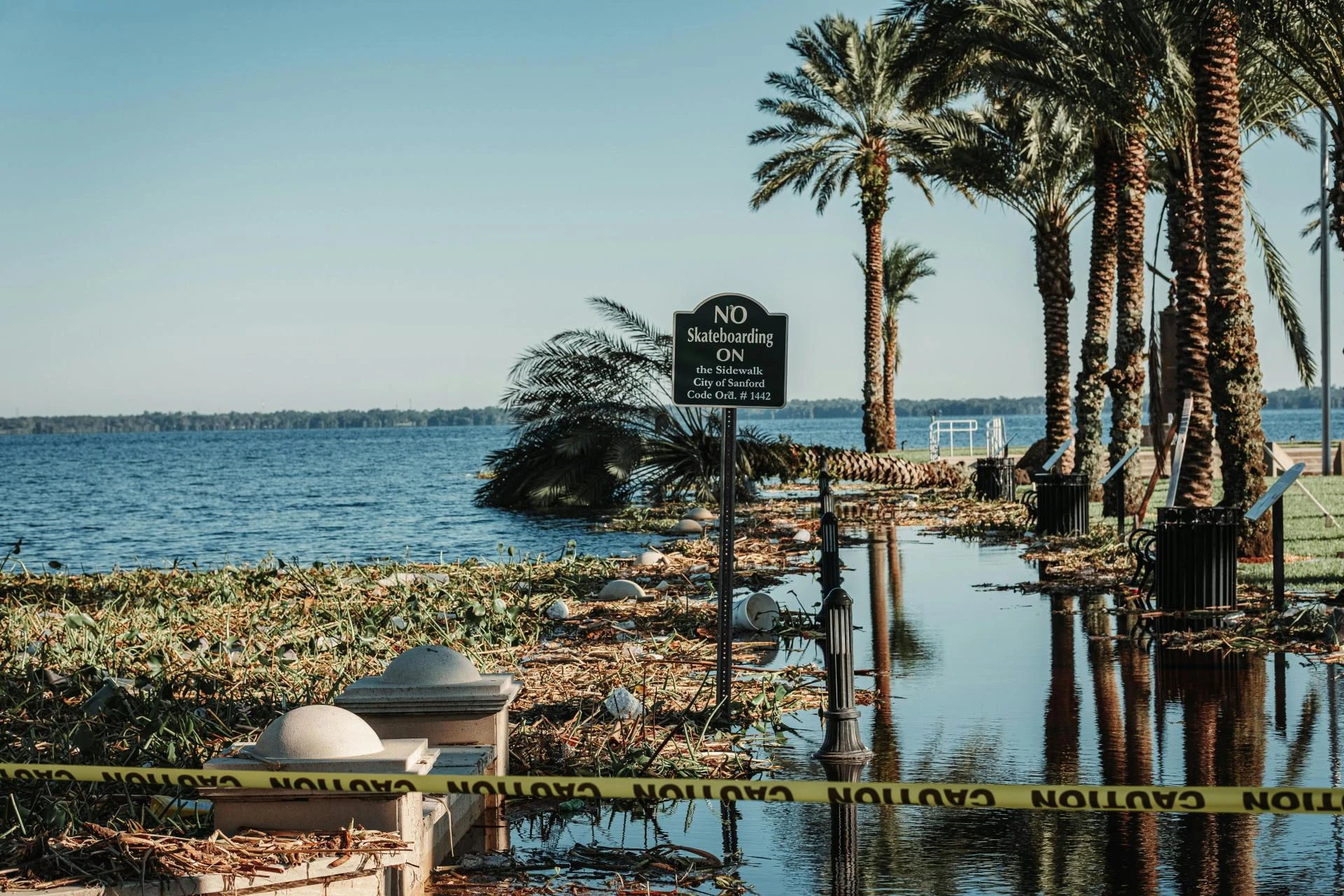

Recovering from a flood is a complex process that goes beyond water removal and surface cleaning. In the rush to restore normalcy, many property owners unintentionally make decisions that lead to higher costs, structural issues, or delayed insurance claims. Avoiding these common missteps can significantly improve long-term outcomes.
Here are five key mistakes to avoid during flood recovery:
• Delaying Initial Damage Assessment
Waiting too long to assess damage can cause minor issues to become major structural concerns. Water can seep into walls, floors, and foundations quickly. Delays allow mould growth, electrical faults, and compromised materials to worsen. An immediate expert-led inspection ensures all damage is properly identified and documented for safe and efficient restoration.
• Failing to Document the Damage Thoroughly
Photos, videos, moisture readings, and written notes are crucial for insurance and repair planning. Many property owners discard damaged materials or start repairs without capturing clear evidence. Incomplete documentation may result in insurance disputes or lower claim payouts. Properly logging all visible and hidden damage provides a solid foundation for claims and future reference.
• Relying on Unqualified Contractors
Flood damage often attracts opportunistic or unlicensed contractors offering quick fixes. Choosing unvetted service providers can result in unsafe repairs, non-compliance with regulations, or work that doesn’t hold up to future flood exposure. It’s critical to consult professionals who specialise in flood recovery and understand how to rebuild for resilience, not just appearance.
• Overlooking Long-Term Resilience
A common mistake is repairing everything “as it was” before the flood. This approach ignores the need for upgrades that can prevent or reduce damage from future events. Effective recovery should include improvements such as waterproof materials, elevated electrical systems, or sump pumps. These solutions reduce future costs and enhance property safety.
• Ignoring Local Building Codes and Insurance Guidelines
Skipping permits or failing to meet local compliance standards can delay occupancy or void insurance coverage. Some repairs require special documentation or certified products to be eligible for insurance reimbursement. Working with an experienced consultant ensures all work is code-compliant and insurance-ready, protecting the property legally and financially.
Flood recovery requires more than immediate action—it demands thoughtful planning, reliable expertise, and a long-term mindset. Missteps in the early stages can lead to larger issues down the line. For professional advice on how to structure a safe, compliant, and resilient recovery strategy, iREACT Consulting offers expert-led flood recovery guidance to help property owners avoid common pitfalls.


























Sign in to leave a comment.