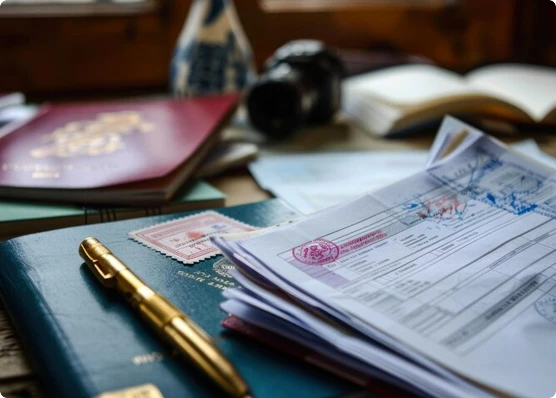

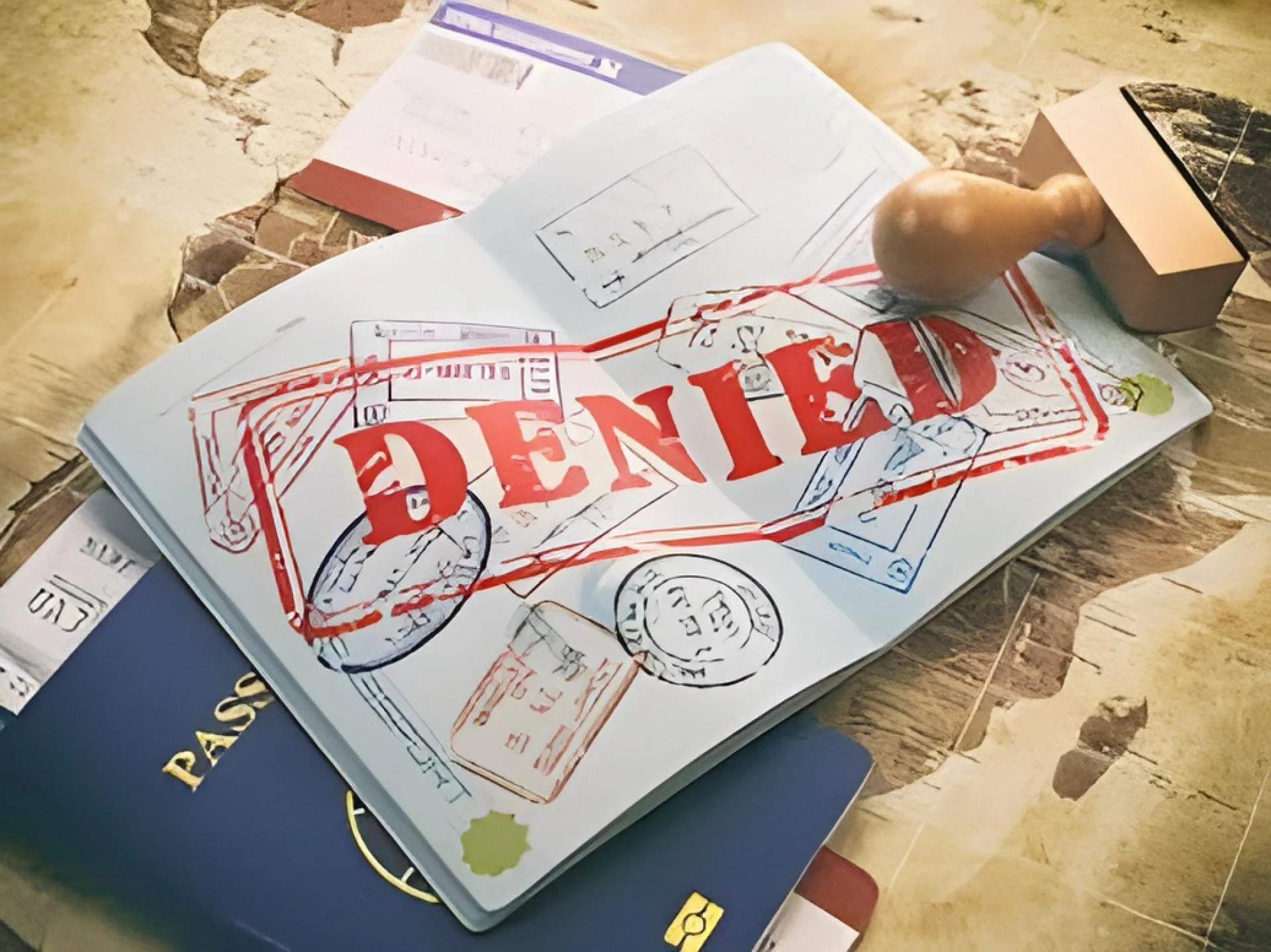
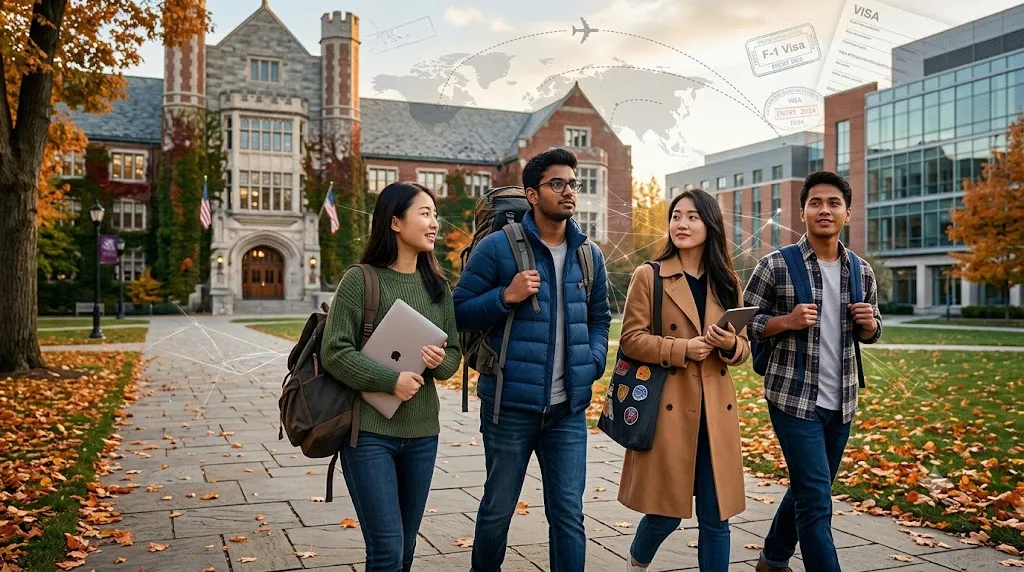
The Graduate Visa UK is a highly beneficial immigration route for international students who wish to stay and work in the United Kingdom after completing their studies. Despite its flexibility, many applications are delayed or even refused due to common and avoidable errors.
Understanding these mistakes in detail is crucial for ensuring a smooth and successful application process.
1. Applying Before Receiving Official Degree Confirmation:
One of the most common mistakes is applying for the Graduate Visa UK before the university has officially confirmed that the degree has been awarded. Even if exams and coursework are complete, the application can only be processed after the education provider has formally notified the Home Office that the student has successfully completed their course. Submitting an application without this confirmation often results in rejection, which wastes both time and money.
2. Selecting the Wrong Visa Category:
Another frequent error is selecting the wrong visa type when making the application. Some graduates mistakenly apply for a Skilled Worker visa or attempt to extend their Student visa instead of applying under the Graduate Visa UK category. Since each visa has different requirements, applying under the wrong category can lead to automatic refusal. Applicants should carefully check that they are choosing the correct route on the official system before submitting their forms.
3. Submitting an Incomplete or Incorrect Application:
Errors in the application form, such as missing details or failing to upload essential documents, are a leading cause of delays and rejections. Graduates are required to provide accurate personal details, valid travel documents, and information from their Confirmation of Acceptance for Studies. Forgetting to complete certain sections or submitting low-quality document scans can disrupt the process. A thorough review before final submission is necessary to avoid such setbacks.
4. Failing to Update Passport or BRP Details:
Many graduates renew their passports during or after their studies, but they fail to update these details when applying for the Graduate Visa UK. Similarly, outdated or mismatched information on the Biometric Residence Permit can cause inconsistencies. Since the Home Office cross-checks identity information, any mismatch between documents can delay the application or lead to refusal. Ensuring all details are consistent is therefore essential.
5. Missing the Visa Validity Window:
Timing is critical when applying for the Graduate Visa UK. Applicants must apply before their existing Student visa expires. A common mistake is leaving the process until the last minute, which can result in missing the deadline. Once the Student visa expires, graduates lose their eligibility to apply for the Graduate Visa, forcing them to leave the country. Applying in good time avoids unnecessary stress and disappointment.
6. Overlooking Financial and Health Requirements:
Although the Graduate Visa UK does not require proof of funds like other visa routes, applicants must still pay the relevant fees and the Immigration Health Surcharge (IHS). Some graduates overlook this requirement or fail to budget for the cost, which leads to an incomplete application. Ensuring that payment is made correctly and on time is a vital part of the process.
7. Misunderstanding Rules for Dependents:
Graduates who wish to bring dependents with them often make mistakes in this part of the process. A key rule is that dependents must already be in the UK under the Student visa as dependents before the Graduate Visa is granted. Applying for dependents from outside these conditions usually results in refusal. Clear understanding of these rules is necessary to avoid disappointment for family members.
8. Providing Inconsistent or Contradictory Information:
Consistency is a key requirement for visa applications. Some graduates unintentionally provide conflicting details between their application forms, university records, and immigration history. Differences in course completion dates, spelling errors in names, or mismatches in passport information can create red flags for the Home Office. To prevent this, applicants must ensure that all information provided is accurate, up-to-date, and consistent across every document.
9. Neglecting Post-Application Responsibilities:
A common misconception is that once the Graduate Visa UK is granted, there are no further obligations. In reality, visa holders must comply with conditions such as reporting address changes and adhering to the type of work allowed under the visa. Failing to follow these conditions may affect eligibility for future visas, including the Skilled Worker route. Responsible compliance ensures that graduates maintain a strong immigration record.
10. Relying on Unofficial Advice
Many graduates rely on advice from friends, social media groups, or online forums, which often contain outdated or incorrect information. Immigration rules change frequently, and informal guidance can easily mislead applicants. Instead, graduates should always rely on the official UK Home Office website or seek advice from a licensed immigration advisor to ensure they are following the most accurate and current requirements.
Conclusion:
The Graduate Visa UK offers international students a valuable chance to extend their stay and explore professional opportunities in the UK. However, small mistakes—such as applying too early, submitting incomplete information, or misunderstanding dependent rules—can jeopardize the application. By carefully avoiding these errors, applicants can ensure a smooth process and maximize their chances of approval. Attention to detail, early preparation, and reliance on official guidance are the keys to success.
























Sign in to leave a comment.