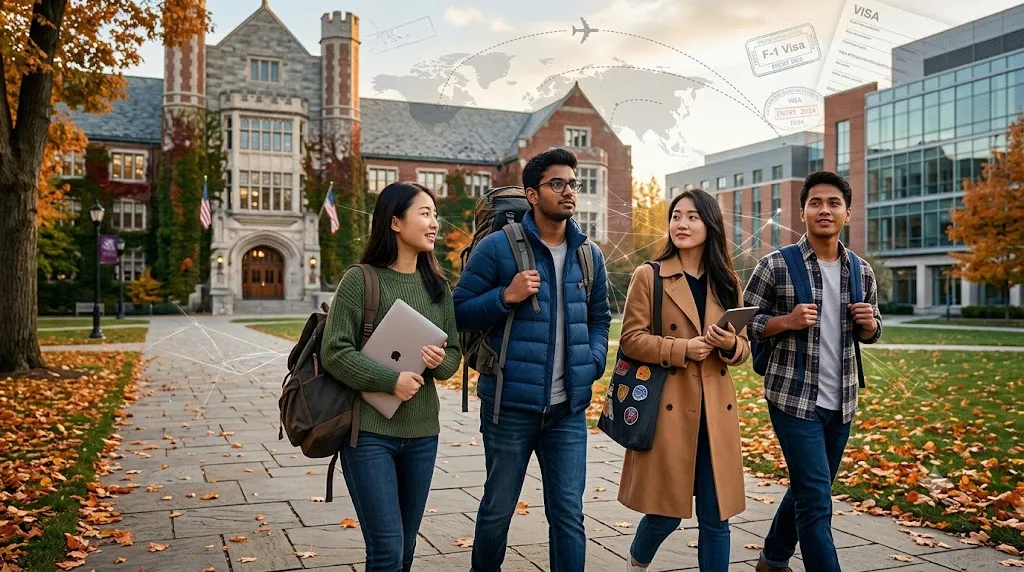

For many Asian international students, studying in the United States has long represented more than earning a degree. It has meant access to world-class research, global career opportunities, and an environment where talent could thrive regardless of nationality. That picture has become more complicated. New research shows that U.S.-Asia tensions are influencing not only immigration policies but also how students experience everyday university life, from choosing a major to planning where they will build their careers.
The research paints a clear message: geopolitics is no longer something students watch on the evening news. It now shapes their educational journey in ways that were difficult to imagine just a few years ago.
Politics Is Now Part of the Student Experience
International education has traditionally been driven by academic quality, scholarship opportunities, and career outcomes. Today, another factor has entered the decision-making process—political uncertainty.
The research highlights that many Asian students, particularly those from China, increasingly consider foreign policy, visa regulations, and public attitudes before deciding whether studying in the United States is worth the investment. Concerns over changing immigration policies, heightened security measures, and diplomatic disputes have created uncertainty that extends far beyond the classroom.
Imagine planning a four-year degree while constantly wondering whether future policy changes might affect your ability to graduate, complete internships, or remain in the country afterward. It's similar to building a house while someone keeps changing the blueprint. Even if the foundation remains strong, uncertainty makes every decision harder.
This growing unpredictability has transformed higher education into a much more complex personal calculation.
Safety and Belonging Have Become Major Concerns
Success at university depends on more than lectures and exams. Students also need to feel safe enough to participate, ask questions, build friendships, and engage with campus life.
Recent evidence discussed in the research reveals that many Asian international students report declining feelings of safety and belonging. Fear of discrimination, racial stereotyping, and uncertainty surrounding immigration status has affected students' confidence both inside and outside the classroom.
Some students now avoid expressing opinions during classroom discussions, particularly on topics involving international politics. Others limit their activity on social media because they worry that online posts could influence future immigration decisions or visa reviews.
These behaviours are subtle, but their impact can be significant. Universities encourage students to think critically, debate ideas, and collaborate across cultures. When students begin censoring themselves, one of higher education's greatest strengths is weakened.
Academic Choices Are Being Influenced by Geopolitics
One of the most striking findings from the research is how political tensions are beginning to shape academic decisions.
Subjects such as artificial intelligence, cybersecurity, semiconductor engineering, quantum computing, and advanced manufacturing have become closely associated with national security discussions. As a result, some Asian students worry that enrolling in these fields could attract additional scrutiny during visa applications or future employment processes.
Rather than pursuing their first academic passion, some students reportedly consider switching into areas they perceive as carrying fewer political risks. Others carefully choose research supervisors or universities that have stronger reputations for supporting international students through complex immigration procedures.
While career prospects remain important, managing geopolitical risk has become another factor influencing educational choices.
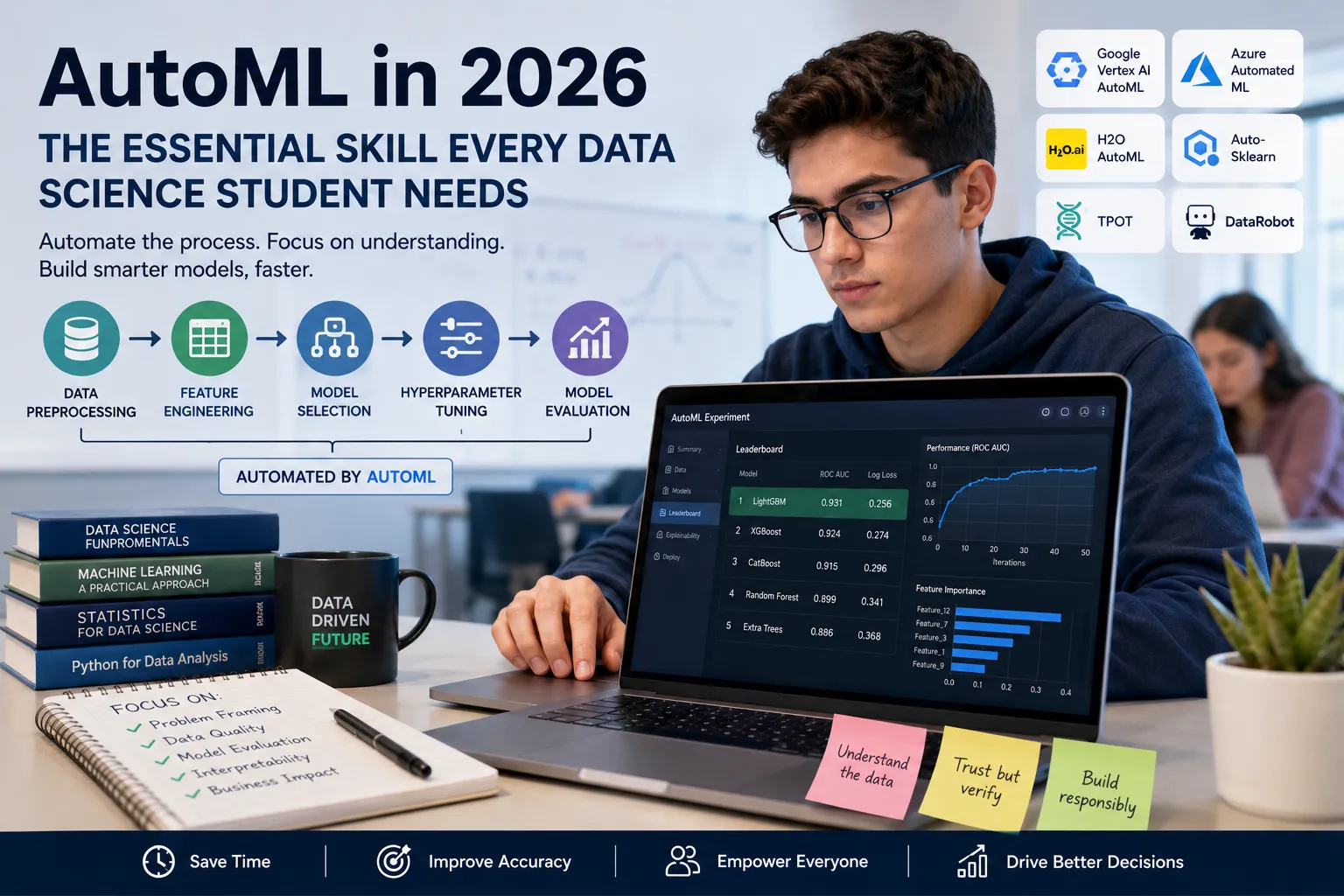
During demanding semesters, many international students also rely on trusted academic resources to balance coursework with visa requirements, internship applications, and personal responsibilities. Platforms like Expertsmind.com provide access to subject experts and tutoring support that can help students stay academically on track while managing these additional pressures.
Career Planning Has Become More Complicated
Graduation no longer marks the end of uncertainty.
Optional Practical Training (OPT) continues to be one of the strongest reasons international students choose U.S. universities because it provides valuable professional experience after graduation. However, changing immigration policies and increasing geopolitical tensions have made long-term planning much more difficult.
Some graduates still hope to establish careers in the United States, particularly in technology, engineering, and business sectors. Others are developing backup plans that include Canada, the United Kingdom, Singapore, Australia, or returning home earlier than originally intended.
Instead of following a single career path, many students now prepare multiple options in case political conditions shift unexpectedly.
This flexibility reflects resilience, but it also demonstrates how external political events increasingly shape personal ambitions.
Mental Health Cannot Be Ignored
Academic success becomes much harder when students constantly feel uncertain about their future.
The research links ongoing worries about visa security, discrimination, and political hostility with increased anxiety, sleep disruption, reduced concentration, and declining feelings of belonging.
When students spend significant mental energy worrying about immigration rules or public perception, they have less capacity for research, leadership activities, networking, and creative learning.
This creates a cycle that affects both individuals and universities. Students participate less, universities lose valuable international perspectives, and the broader educational experience becomes less diverse.
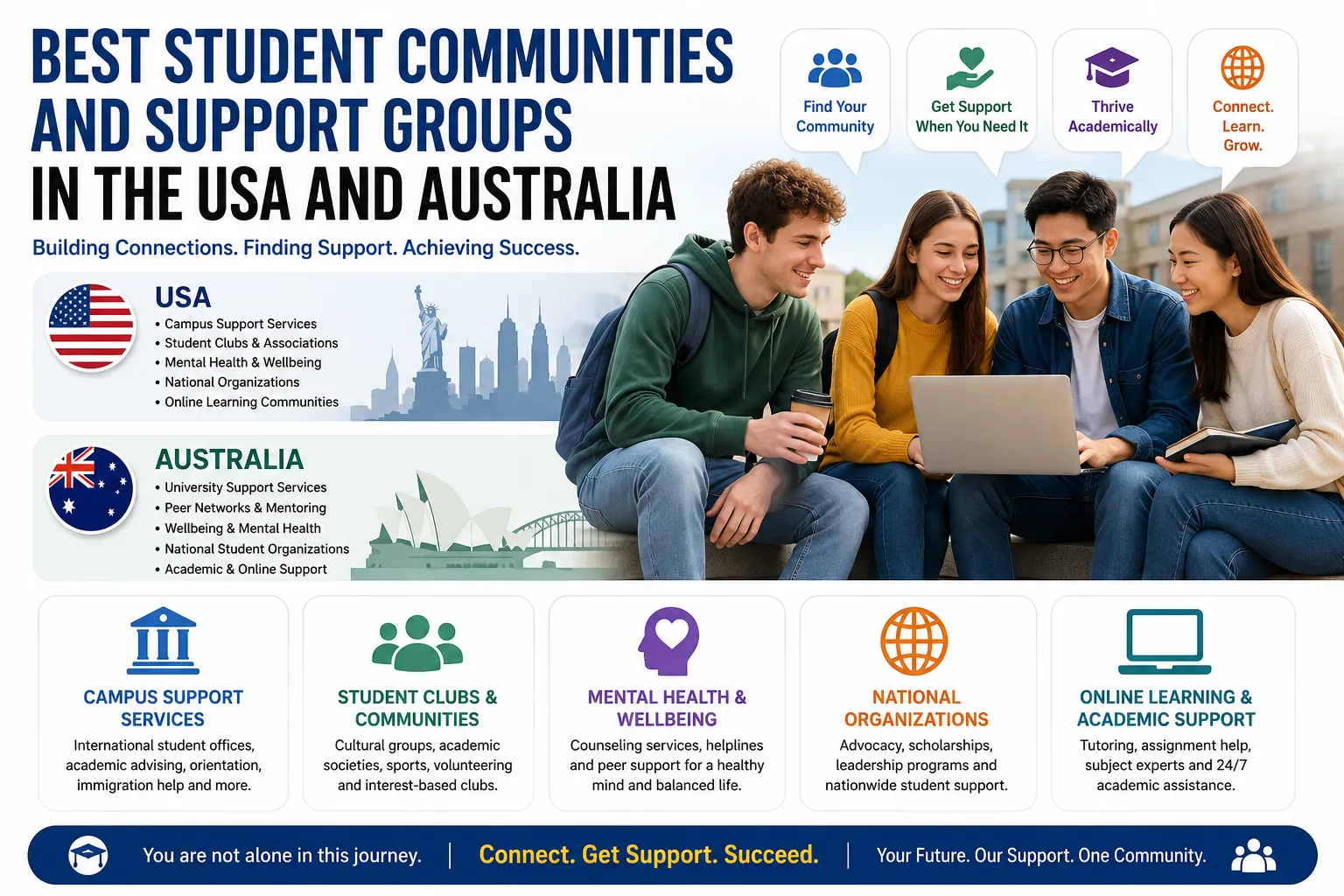
Supporting international students therefore requires more than academic advising. Mental health services, clear immigration guidance, legal assistance, and inclusive campus environments all play important roles in helping students succeed.
Asian Students Are Not One Homogeneous Group
Another important takeaway from the research is that the label "Asian international students" covers an extremely diverse population.
Indian students now represent the largest international student group in the United States, while Chinese students continue to make major contributions across undergraduate, graduate, and research programs. Students from South Asia, East Asia, Southeast Asia, and Central Asia often face different challenges depending on political relationships between their home countries and the United States.
Treating all Asian students as though they share identical experiences oversimplifies a much more complex reality.
Universities that understand these differences will be better positioned to provide meaningful support rather than adopting one-size-fits-all solutions.
Looking Beyond Politics
The research does not suggest that students should abandon their educational ambitions. Instead, it shows how international education is becoming more closely connected with global political developments than ever before.
Asian students continue to contribute enormously to American universities through research, innovation, entrepreneurship, and cultural diversity. Their resilience remains remarkable despite growing uncertainty.
For universities and policymakers, the challenge is clear. Educational institutions work best when students are judged by their abilities rather than geopolitical assumptions. Rebuilding trust, improving support services, and creating environments where international students genuinely feel welcome will benefit not only Asian students but the future of higher education itself.
The classroom should remain a place where ideas cross borders freely, even when politics does not.

























Sign in to leave a comment.