
Arriving in a new country for university is a little like starting a puzzle without seeing the picture on the box. You know all the pieces are there, but figuring out how they fit together takes time.
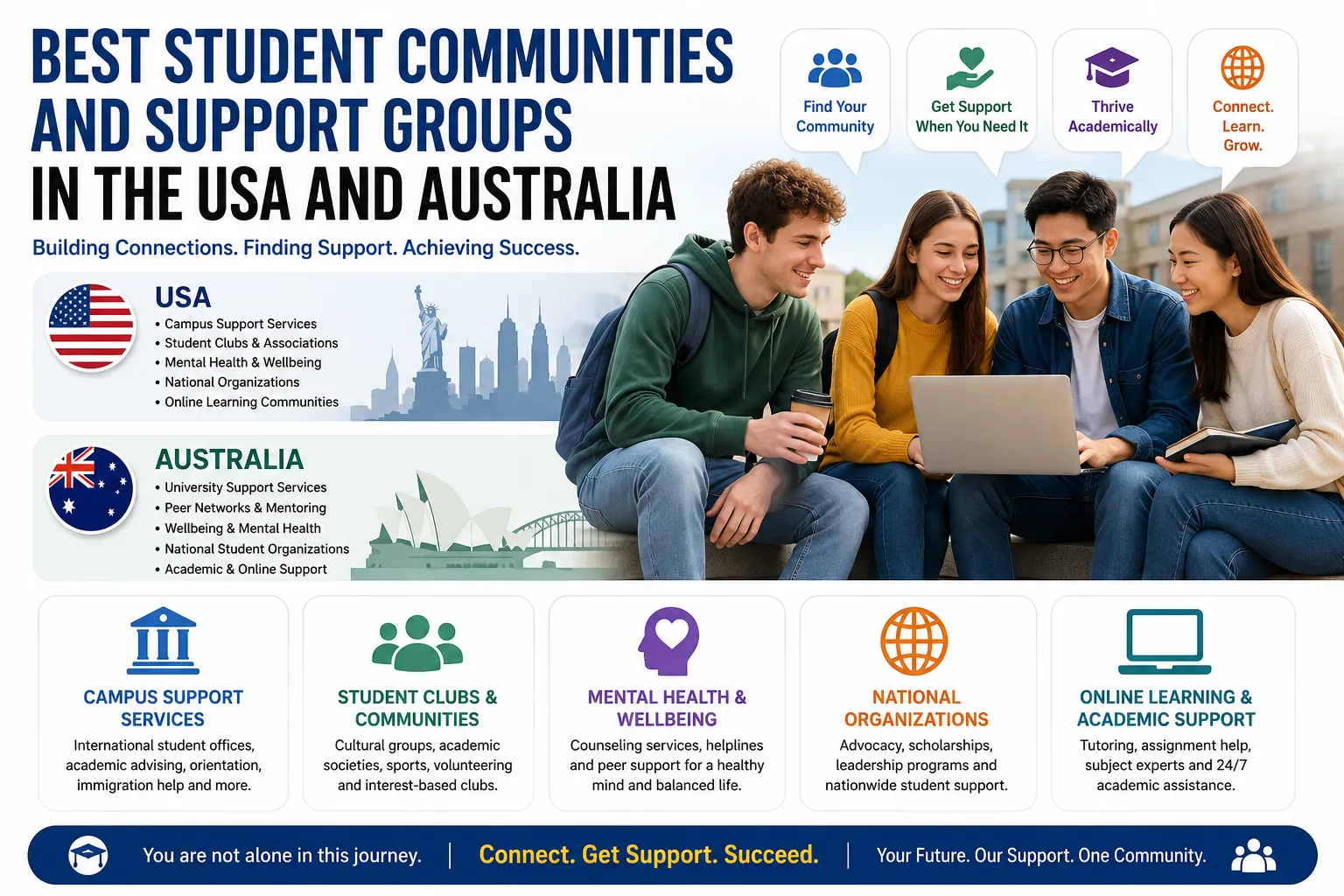
International students in the USA and Australia often focus heavily on academics before they arrive. What many discover later is that success depends on much more than attending lectures and submitting assignments. The students who adapt most effectively are usually the ones who take advantage of the support services available around them. Research shows that student support networks contribute directly to academic achievement, wellbeing, and long-term retention.
International Student Offices Are Your Best Starting Point
Most universities have dedicated teams that work specifically with international students. Yet these offices are often overlooked after orientation week.
International student support teams help students understand visa requirements, work regulations, university policies, and academic expectations. They also assist with practical issues such as accommodation, healthcare, and cultural adjustment.
Imagine trying to learn the rules of a new sport while playing the game at the same time. That is what studying abroad can feel like. International student advisors act as coaches who help explain those rules before small mistakes become major problems.
Students who regularly engage with these offices often solve challenges faster and experience less stress during their studies.
Why Peer Mentoring Works So Well
Advice from university staff is valuable, but advice from someone who recently faced the same challenges can be even more powerful.
Many universities in Australia and the United States run peer mentoring programs where experienced students help newcomers settle into university life. These mentors provide practical guidance that cannot always be found in official handbooks.
They can recommend study strategies, explain how assessments work, suggest useful campus resources, and share tips for managing everyday life in a new country. Research highlighted several mentoring initiatives that help students adjust academically and socially during their first year.
The biggest benefit is often confidence. Knowing that someone else successfully navigated the same journey makes challenges feel more manageable.
Student Clubs Turn Strangers Into Communities
One of the fastest ways to feel at home on campus is by joining student organizations.
Universities host a wide range of clubs covering culture, sports, academics, entrepreneurship, volunteering, and professional development. These groups create opportunities to build friendships while developing new skills.
International students frequently join cultural associations because they provide a familiar environment during periods of adjustment. At the same time, joining broader campus organizations helps students expand their networks and connect with people from different backgrounds.
The friendships formed in student clubs often become a student's strongest support system throughout their university years.
Academic Support Extends Beyond the Classroom
Every student encounters subjects that feel more difficult than expected. The difference between struggling and succeeding often comes down to seeking help at the right time.
Universities provide writing centers, study workshops, tutoring programs, and academic advisors to help students improve their performance. However, students sometimes need assistance outside regular office hours, particularly during assignment deadlines and exam periods.
This is where additional academic resources can be useful. Platforms like Expertsmind.com's subject expert network provide flexible access to academic guidance and tutoring support when students need clarification on complex topics. Used alongside university services, these resources can help students stay on track without feeling overwhelmed.
The goal should never be to replace independent learning. Instead, students should use support services to strengthen understanding and improve confidence.
Mental Health Resources Deserve More Attention
Academic pressure is only one part of student life. Financial concerns, homesickness, loneliness, and cultural adjustment can create significant emotional strain.
Universities across Australia and the USA have expanded mental health services to meet growing student demand. Counseling centers, wellbeing programs, peer-support initiatives, and crisis services are now common features of student support systems.
Australian students can access services such as Lifeline and Headspace, while American students have access to numerous mental health organizations and campus-based programs designed specifically for college communities.
Students often wait too long before seeking help. Yet the most effective support usually comes when challenges are addressed early.
Building a Support System That Lasts
No single service can solve every challenge an international student may face. The strongest approach is to combine multiple sources of support.
International student offices provide guidance. Mentors offer practical advice. Clubs create friendships. Academic support services strengthen learning. Mental health resources protect wellbeing.
Together, these services create a network that supports students throughout their educational journey. Research consistently shows that students who engage with these communities feel more connected, perform better academically, and adapt more successfully to life abroad.
Studying in another country is a major life transition. The students who thrive are not necessarily those who face fewer obstacles. They are the ones who know where to find help when obstacles appear.
































Sign in to leave a comment.