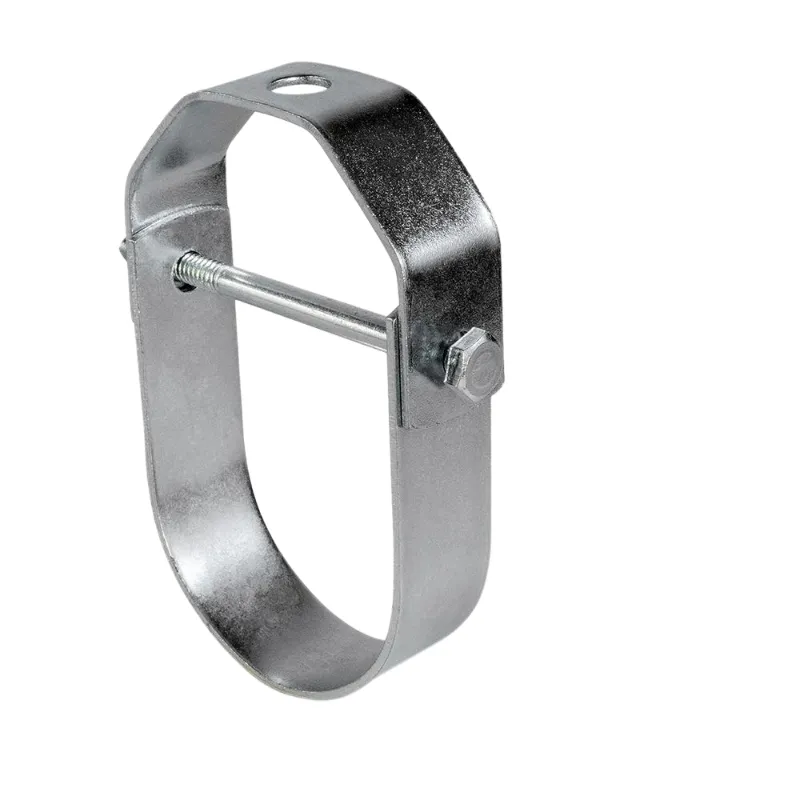

Fitting pipes for plumbing or in a factory is a task that needs care and thought. People sometimes put pipes in and forget how important the clamps and brackets are. If your pipe clamp is not put on right, you might have leaks or loose pipes – even broken systems. This costs money and time to fix. If you know what could go wrong from the start, you can finish your project without trouble and keep things safe. Let’s go over the most common mistakes and show how to avoid them.
Why Your pipe clamp Setup Matters
When pipes are not held in place well, they can move when you run water or use them for work. A pipe that moves bangs against things, and the joints can break. Good support helps your whole pipe system stay still and strong. If you get it right, you have fewer worries later! But if you do it wrong, one little mistake may grow into a huge problem after a few weeks. Builders and people working on pipes have to think about the supports right from the start.
You should always choose products that are made well. Using clamps from a trusted pipe clamp manufacturer will help your job last longer. If you pick the wrong size or cheap parts, the braces can break or bend when you least want them to. Spending a few extra minutes checking the plan for your supports will save you money and stress. No one wants a big repair bill!
Easy Pipe Clamp Mistakes People Make
Many people get stuck by the same mistakes time after time. If you pay attention to these things while you work, you can save yourself from big problems later. Here are five mistakes you need to watch out for the next time you do an install.
Picking the Wrong Material
It is very important to choose the right material for your clamps. If you use plain steel clamps in a wet or dirty area, they will rust very fast. Rust makes the clamp weak, which means it may not hold the pipe. You should use stainless steel or special coated clamps in harsh places. If you have plastic or copper pipes, and your clamp is made from metal, the pipe might start to get damaged from the contact. Always check which clamps go with which pipes before you buy anything.
A good pipe clamp manufacturer will help you decide which material to pick. They can tell you which clamps work best in the weather and conditions you have. If you ask, they will show you what lasts the longest.
Putting Clamps Too Far Apart
Some people think you do not need a lot of supports. But if you put your brackets too far away from each other, your pipe will droop in the middle. Fluids in the pipe are heavy, and over time, this makes the pipe bend. If water collects in these low spots, it makes things worse. The pipe might break, leak, or make noise.
The best way is to check the rules or advice for your pipe’s size. Smaller pipes need more brackets to stay up. Measure before you start and make sure all gaps are even and not too wide.
Tightening the Clamp Too Much
Many people keep turning the wrench because they think tighter is safer. But if you make your pipe clamp too tight, you can squash the pipe. Pipes need to move a little as they warm up or cool down. If you crush them, you might damage the inside of the pipe, or change its shape. This slows fluids and may make the system fail.
Just tighten the clamp enough for the pipe to be held in place. There is often an instruction from the maker on how tight to go. If you follow this, you will not hurt the pipe, and it will still hold fast.
Not Allowing for Growth and Shrinkage
Pipes change shape when they get hot or cold. If you fix the clamp so tightly the pipe cannot move, it will push and pull against the bracket when the temperature changes. This can make the pipe bow, or crack, or even pull the clamp out of the wall.
Leave a small gap for the pipe to move, or use a special bracket that moves with the pipe. Some kinds are made for this by a good pipe clamp manufacturer. Always plan for changes in size, or you might get cracks later.
Forgetting to Check the Setup Later
A lot of people walk away from the site after installing and forget to check again. Over time, machines, pumps, and even small shakes will loosen bolts and wear out the rubber on brackets. Rain, dirt, and heat also damage your clamps. If you do not look for problems, you may miss loose bolts, rust, or bent pipes, which can lead to disaster.
Make it a habit to check your clamps. Inspect for rusty spots or pipes that look off-centre, and see if each bolt is tight. Fixing a little problem now is much better than dealing with a big mess later.
Get the Right Clamp Solutions from GB Enterprises
You want your job to last and be safe. The right brackets and clamps mean the difference between a good job and a costly failure. That is where GB Enterprises can help you. As a trusted pipe clamp manufacturer, we supply strong, long-lasting supports in many sizes and materials. Our products help you avoid all the little and big problems covered above.
By working with GB Enterprises, you get a choice of many kinds of clamps. We also give you advice so you can pick the best for your project. Our team answers questions and finds what fits your needs. When you're ready to get started or need information, give GB Enterprises a call. See how much easier it can be to find the right part for every pipe and every job.
Conclusion
Taking your time with pipe clamp work means fewer mistakes, fewer leaks, and a better finished project. If you do a quick job or try to cut corners, you might pay the price later. Make sure to check the distance between your brackets, do not overtighten anything, and remember to let pipes move just a little as they heat and cool. Pick the right materials so you do not fight rust and damage months down the line. Do regular checks of your setup, and do not walk away for good once the job is done.


















Sign in to leave a comment.