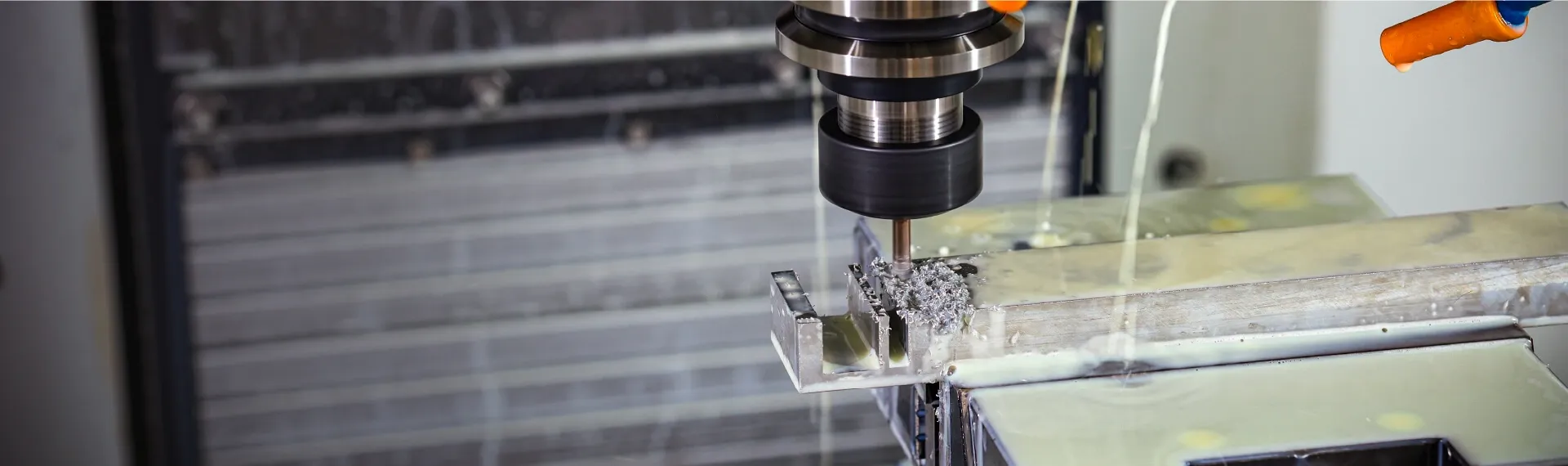

Ordering a CNC machining may seem straightforward, but even small mistakes can lead to delays, higher costs, or parts that don't meet your expectations. Whether you're developing a new product, creating prototypes, or manufacturing production parts, planning your order carefully can save both time and money.
Whether you're a startup ordering your first prototype or an engineer managing a large production run, knowing the common pitfalls can save you time, money, and a lot of frustration. Below are some practical tips for ordering CNC machined parts, along with the mistakes people make most often when using a CNC machining service, and how to avoid them.
Here Are Some Common Mistakes to Avoid When Ordering CNC Machining Services
1. Not Choosing the Right CNC Machining Service
Not all machining shops offer the same level of precision, equipment, or expertise. Some specialize in small prototype runs, while others are built for high-volume production. Choosing a provider without checking their capabilities is one of the most common CNC machining mistakes.
Before you commit, look at the shop's equipment list, past project examples, and reviews from other clients. If you're wondering how to choose a CNC machining service, a good rule of thumb is to ask direct questions about their experience with your specific material, part complexity, and industry requirements.
2. Ignoring Tolerance Requirements
Tolerances define how much a part's actual dimensions can vary from the design specification. Many people either skip mentioning tolerances altogether or assume the shop will "figure it out." This is risky.
CNC machining tolerance requirements directly affect how parts fit together, how they perform, and how much they cost to produce. Tighter tolerances mean more precision, more machine time, and usually a higher price. If your part doesn't need extremely tight tolerances, don't ask for them just to be safe — it only adds unnecessary cost. On the other hand, if your application genuinely needs precision (like parts that must fit into an assembly), be clear about it from the start.
3. Picking the Wrong Material
Material selection is another area where mistakes happen often. People sometimes choose a material based on cost alone, without considering how it will perform under real-world conditions like heat, pressure, or corrosion.
CNC machining material selection should be based on the part's actual use case. Aluminum is lightweight and easy to machine, but it may not hold up under high stress. Stainless steel is durable but costs more and takes longer to machine. Plastics like ABS or nylon work well for lightweight, non-structural parts. A quick conversation with your machining partner about your part's function can help you avoid picking a material that looks good on paper but fails in practice.
4. Skipping Design for Manufacturability (DFM) Review
A lot of buyers send their CAD files straight to production without a DFM check. This step reviews your design for features that might be hard or impossible to machine, like deep pockets, sharp internal corners, or extremely thin walls.
Skipping this review often leads to redesigns after the first batch fails, which wastes both time and money. A reliable CNC machining service should always offer a DFM review before starting production, flagging any issues early so you can make adjustments before cutting begins.
5. Overlooking Quality Control Standards
Some buyers assume that all machined parts are automatically checked for accuracy before shipping. That's not always true. Quality control practices vary a lot between shops.
CNC machining quality control should include dimensional inspection, surface finish checks, and documentation like inspection reports if needed. If your parts are going into a regulated industry such as medical or aerospace, ask about certifications and inspection processes upfront. Don't wait until the parts arrive to find out there's no quality check in place.
6. Underestimating Lead Time
Lead time is often misunderstood. People assume CNC machining is fast because it's automated, but there's a lot that happens before the machine even starts cutting, programming, tooling setup, material sourcing, and quality checks.
CNC machining lead time depends on part complexity, material availability, and order volume. If you have a strict deadline, communicate it clearly from the start rather than assuming the shop will prioritize your order automatically. Rush orders are usually possible, but they may come with additional costs.
7. Not Communicating Clearly for Custom Projects
Custom CNC machining services often require more back-and-forth than standard orders. If your part has unique geometry, special finishing needs, or unusual material requirements, clear communication is everything. Sending incomplete drawings, missing specifications, or vague instructions is one of the fastest ways to end up with parts that don't match what you actually needed.
Always include complete technical drawings, material specs, tolerance requirements, and finishing preferences in your order. If you're unsure about something, ask your machining partner rather than guessing.
Final Thoughts
Ordering CNC machined parts doesn't have to be complicated, but it does require attention to detail. From choosing the right provider to being clear about tolerances, materials, and lead times, a little extra care upfront can save you from costly mistakes down the line.
At Mech Power, the goal is to make this process as smooth as possible with clear communication, expert guidance, and strict quality control at every stage. Whether you need a single prototype or a large production run, our team is committed to delivering precision-machined parts that meet your exact requirements.
Looking for a reliable CNC machining partner? Contact Mech Power today to discuss your project or request a free quote. Our experts are ready to help you find the right machining solution for your needs and ensure your parts are delivered with precision, quality, and on-time performance.





















Sign in to leave a comment.