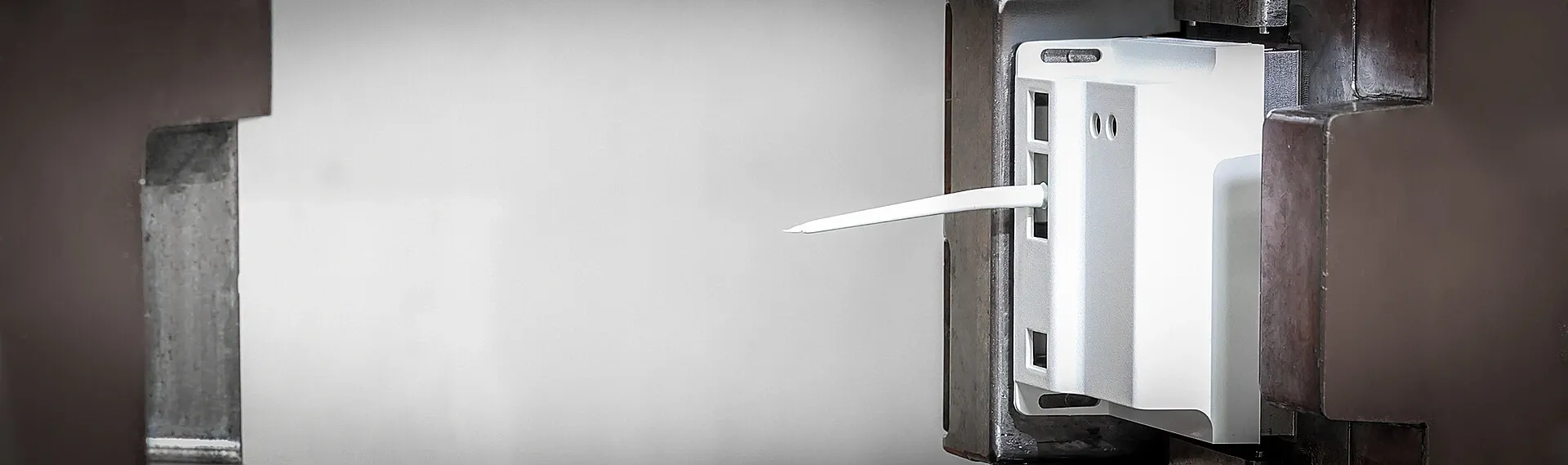

Choosing the right plastic affects how an injection-molded part performs during use and how consistently it can be produced. The material affects the product’s strength, appearance, durability, flexibility, weight, and performance. A plastic that works well for one application may not be suitable for another.
With many injection molding materials available, manufacturers need to consider how the finished product will be used, the environment it will operate in, and the production requirements. Making the right choice at the beginning can help reduce production issues and support consistent product quality.
Why Material Selection Matters in Injection Molding
Different plastics behave differently during heating, filling, cooling, and solidification. A material that works well for an indoor consumer product may not be suitable for a component exposed to heat, chemicals, impact, or outdoor conditions.
Proper injection molding material selection can affect:
- Strength and impact resistance
- Heat and chemical resistance
- Dimensional stability
- Surface finish and appearance
- Product weight
- Production cycle time
- Material and manufacturing cost
- Long-term product performance
Manufacturers should define the part’s load, operating temperature, chemical exposure, dimensional requirements, and surface requirements before selecting an injection molding material.
Common Types of Plastic Used in Injection Molding
Several types of plastic are used in injection molding. Thermoplastics are common because they can be heated, shaped, and cooled during production.
ABS
ABS offers a useful combination of strength, impact resistance, and surface appearance. It is commonly used for electronic housings, automotive components, appliance parts, and consumer products.
Polypropylene (PP)
Polypropylene is lightweight and provides good chemical resistance and fatigue performance. It is commonly used for containers, automotive components, packaging parts, household products, and living-hinge applications.
Polyethylene (PE)
Polyethylene is available in different grades with varying properties. It provides good toughness and chemical resistance and is used for containers, caps, industrial components, and molded products.
Nylon (PA)
Nylon is suitable for applications that require mechanical strength, wear resistance, and temperature performance. It is often used for gears, bushings, brackets, fasteners, and automotive components.
Polycarbonate (PC)
Polycarbonate provides high impact resistance and can also offer transparency. It is used for protective covers, electrical components, lighting parts, and other applications where impact performance matters.
POM
Polyoxymethylene, commonly known as POM or acetal, provides low friction, wear resistance, and dimensional stability. It is often used for gears, rollers, bushings, and other precision mechanical parts.
These different injection molding plastic types have different properties, so the right option depends on the requirements of the finished product.
Factors to Consider for Plastic Selection
The first step in plastic selection for injection molding is understanding how the finished component will be used.
1. Mechanical Requirements
Consider whether the part needs to withstand impact, bending, compression, vibration, or repeated movement. A structural component may require a different material from a decorative housing.
2. Temperature Exposure
Operating temperature can affect the strength, stiffness, and dimensional stability of a plastic. If the component will be exposed to high temperatures, the selected material should maintain its required properties within the operating range.
3. Chemical Exposure
Parts exposed to oils, solvents, cleaning agents, fuels, or other chemicals need appropriate chemical resistance. Checking material compatibility can help reduce the risk of cracking, swelling, or premature deterioration.
4. Appearance and Surface Finish
For visible products, factors such as color, gloss, transparency, texture, and surface finish can influence the material choice. Some plastics are also easier to color and finish than others.
5. Dimensional Stability
Precision components require predictable shrinkage and dimensional behavior during molding and cooling. Material properties, mold design, and processing conditions should therefore be considered together.
6. Cost and Production Requirements
Material cost is an important consideration, but it should be evaluated alongside production performance. A material with suitable flow, shrinkage, and cooling characteristics can help reduce molding defects and maintain dimensional consistency.
How to Choose Plastic for Injection Molding
Choosing plastic for injection molding starts with defining the product's application and performance requirements. Manufacturers can then compare suitable materials based on strength, temperature resistance, chemical exposure, dimensional requirements, appearance, processing characteristics, and cost.
Evaluate the specific material grade rather than choosing only by polymer name. Different grades of the same plastic may have different additives, reinforcement levels, flow characteristics, and performance properties.
For example, glass-filled nylon may be suitable for a structural component requiring additional stiffness, while an unfilled nylon grade may work for another application. Additives can also improve properties such as UV resistance, flame performance, lubrication, or impact resistance.
Choosing the Right Injection Molding Partner
Material selection should be considered together with mold design and processing conditions. Gate location, wall thickness, cooling, shrinkage, injection temperature, and cycle settings can all influence the final product.
A professional plastic injection molding service can help evaluate these factors before production begins. When selecting an injection molding service, businesses should consider the provider's experience with different materials, tooling capabilities, production processes, quality checks, and ability to meet application-specific requirements.
Reviewing the material, mold design, wall thickness, and processing conditions before production can help identify issues such as warpage, shrinkage, or incomplete filling.
Conclusion
Selecting the right plastic material for injection molding starts with understanding the product's application, operating environment, performance requirements, and production needs. ABS, PP, PE, nylon, polycarbonate, POM, and other thermoplastics for injection molding each offer different combinations of strength, flexibility, chemical resistance, heat performance, appearance, and cost.
A structured approach to injection molding material selection can help manufacturers choose a material that fits the product while supporting reliable production.
Looking for the right material and manufacturing solution for your plastic components? Contact Mech Power today to discuss your requirements and get professional guidance for your injection molding project.























Sign in to leave a comment.