Turning an idea into a real product is exciting, but it can also be complex. Many businesses struggle when moving from prototype to full-scale production. What works during testing doesn’t always perform the same at scale.
That’s why having a clear and structured custom manufacturing process is essential.
At Mech Power, we help businesses move smoothly from concept to production with better control, lower costs, and faster turnaround. This guide explains the complete process in a simple and practical way.
Understanding the Custom Manufacturing Process
Custom manufacturing focuses on producing parts and enclosures based on specific requirements instead of mass production.
It typically includes:
- Product design
- Prototype development
- Testing and validation
- Production planning
- Final manufacturing and delivery
Each step plays a critical role. Any gap in the process can impact quality, cost, and timelines.
Step 1: Start with Rapid Prototyping
The first step is creating a sample product using rapid prototyping services. This allows you to evaluate design, functionality, and fit before full production.
Common methods include:
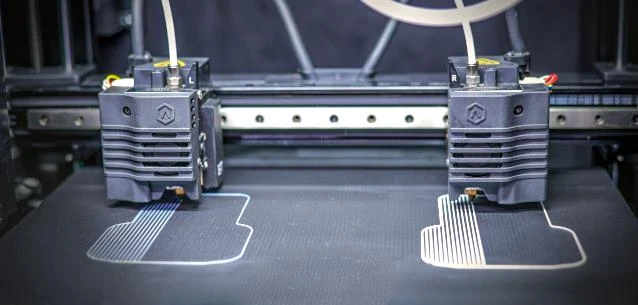
- 3D printing prototype parts
- CNC machining for prototypes
These methods are fast, flexible, and cost-effective.
At Mech Power, you can get instant pricing for 3D printing, helping you make faster decisions and control your development budget from the start.
Step 2: Product Customization Based on Requirements
Before moving forward, it’s important to refine your product with the right level of customization.
Customization can include:
- Material selection (metal, plastic, composites)
- Size, shape, and structural changes
- Surface finishes and coatings
- Functional features and assembly requirements
- Custom enclosures for electronics or industrial components
Whether you need custom parts manufacturing or complete custom enclosures, this step ensures your product meets exact application needs.
Early customization reduces redesign efforts and improves production efficiency.
Step 3: Use Design for Manufacturability (DFM)
Many designs fail during production because they are not optimized for manufacturing.
Design for Manufacturability (DFM) ensures your product is easy, efficient, and cost-effective to produce.
Benefits of DFM:
- Reduced production cost
- Fewer design errors
- Faster manufacturing cycles
- Improved product quality
Simple and practical designs scale better and reduce risk during production.
Step 4: Product Validation and Testing
Before starting full production, thorough testing is required.
This step ensures:
- Product functionality is correct
- Strength and durability meet standards
- Compliance with quality requirements
Skipping validation can lead to product failure, rework costs, and customer dissatisfaction.
Step 5: Choose the Right Manufacturing Method
Selecting the right manufacturing process is key to efficiency and scalability.
Common methods include:
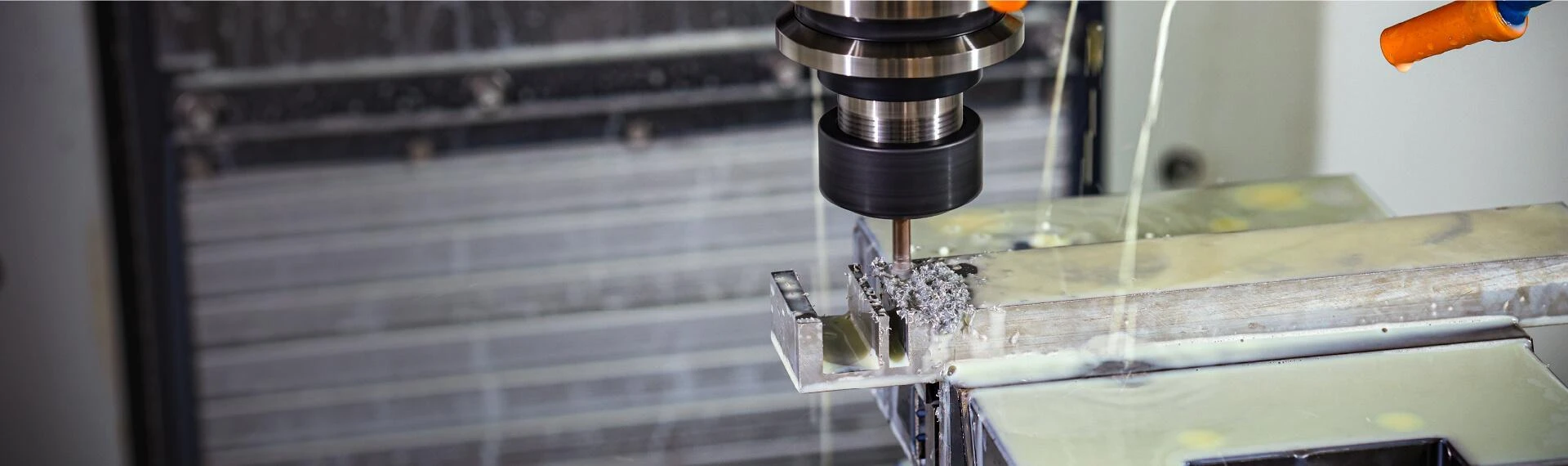
CNC Machining
Ideal for high-precision parts and prototypes.
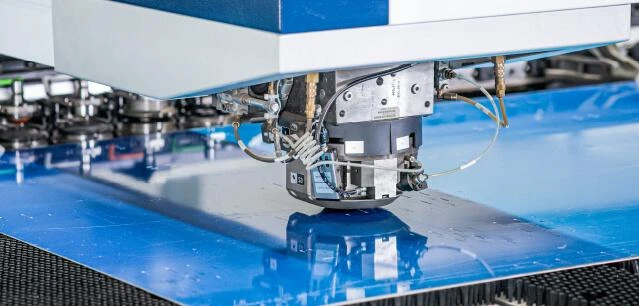
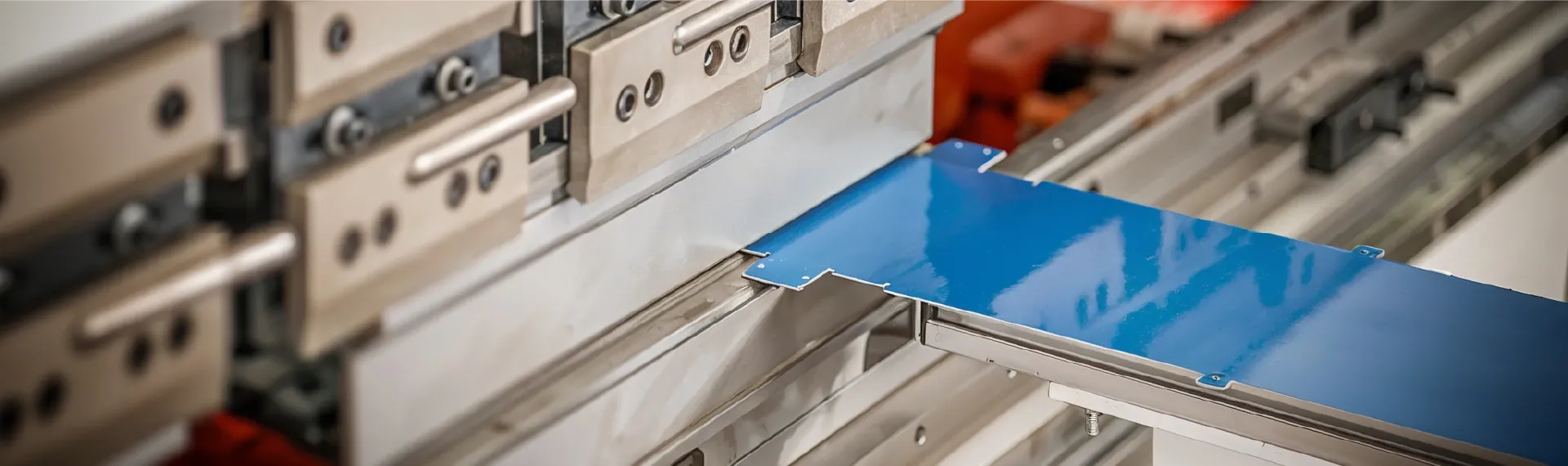
Sheet Metal Fabrication
Widely used for durable components and custom enclosures such as electrical cabinets, panels, and housings.
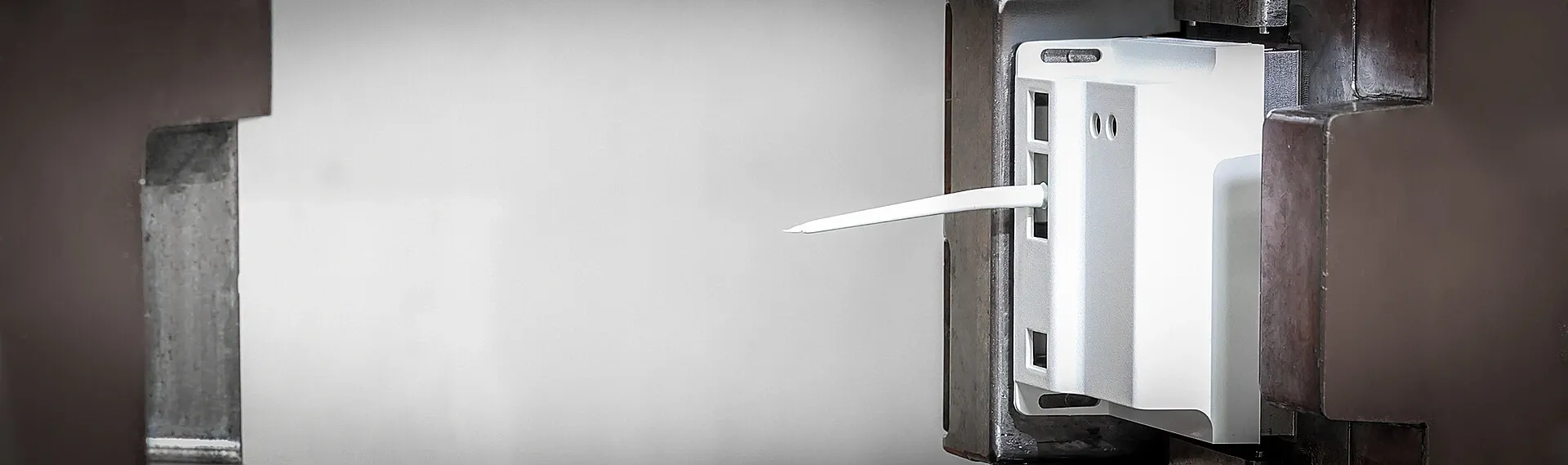
Injection Molding
Best for large-scale plastic production with lower per-unit cost.
The right choice depends on:
- Product design
- Material type
- Production volume
Step 6: Production Planning and Control
Once everything is finalized, proper planning ensures smooth execution.
This includes:
- Defining production timelines
- Managing raw materials
- Assigning tasks
- Tracking progress
Strong production control minimizes delays and ensures consistent output.
Step 7: Improve Manufacturing Workflow
Efficient operations require continuous manufacturing workflow optimization.
This can be achieved by:
- Eliminating unnecessary steps
- Improving team communication
- Using advanced tools and automation
- Standardizing processes
Optimized workflows reduce errors, improve speed, and increase productivity.
Step 8: Scale with Scalable Manufacturing Solutions
When demand increases, scaling production becomes necessary.
Scalable manufacturing solutions help you grow without compromising quality.
To scale effectively:
- Maintain consistent quality standards
- Use the right machinery and technology
- Train your workforce
- Standardize production processes
Scaling should improve efficiency, not create new challenges.
Step 9: Use Cost-Effective Production Strategies
Controlling manufacturing costs is essential for long-term success.
Effective strategies include:
- Selecting the right materials
- Minimizing waste
- Choosing efficient production methods
- Producing optimal quantities
At Mech Power, we focus on delivering high-quality parts and enclosures at competitive costs.
Step 10: Continuous Improvement
Manufacturing is an ongoing process that requires regular improvement.
You can:
- Gather customer feedback
- Improve designs
- Fix production issues
- Upgrade processes and technology
Continuous improvement ensures long-term growth and competitiveness.
Why Efficient Manufacturing Matters
Managing the transition from prototype to production effectively provides:
- Faster time to market
- Reduced production costs
- High-quality products
- Better customer satisfaction
- Easy scalability
Without proper manufacturing process management, even strong product ideas can fail.
Final Thoughts
Moving from prototype to production can be simple with the right strategy.
Focus on:
- Rapid prototyping
- Product customization
- DFM (Design for Manufacturability)
- Testing and validation
- Production planning
- Workflow optimization
- Scalable manufacturing
At Mech Power, we specialize in custom parts and enclosures manufacturing, helping businesses bring ideas to life with efficiency and precision.
Looking to streamline your manufacturing process? Get started with expert support and instant 3D printing quotes to move faster from concept to production.





















Sign in to leave a comment.