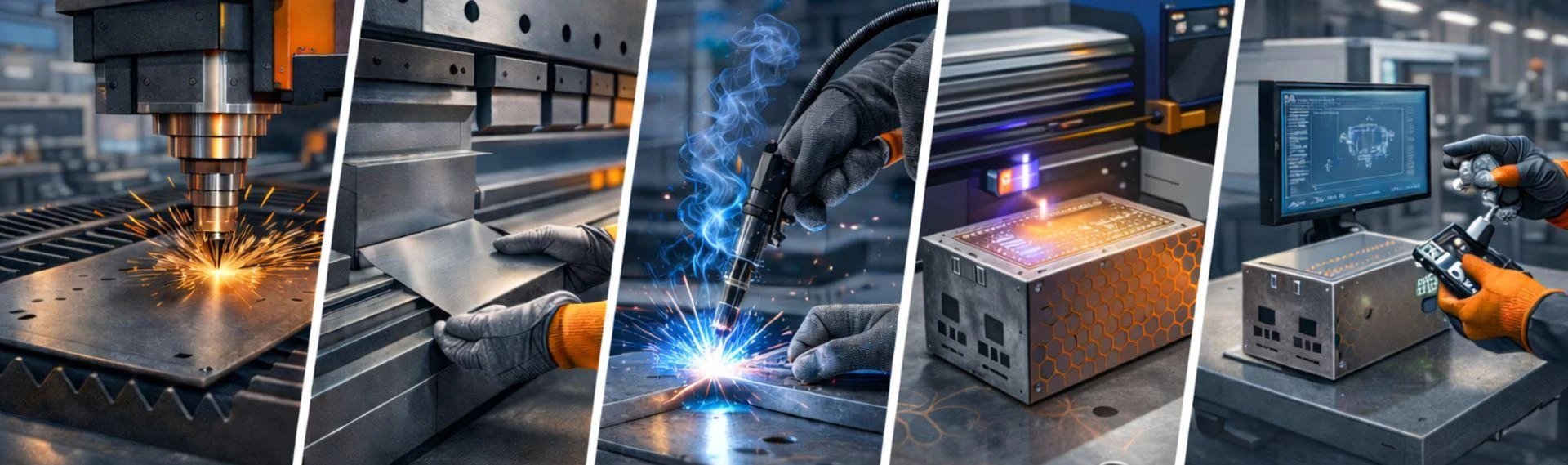

Sheet metal fabrication plays a critical role in manufacturing structural and functional metal parts across industries such as electronics, industrial machinery, and infrastructure. Many industrial products rely on precisely fabricated sheet metal parts for structural strength, durability, and reliable performance.
But good results do not come only from machines. The design of the part also matters a lot. When designers follow proper sheet metal design guidelines, the manufacturing process becomes faster and easier.
A smart design can reduce production time, lower costs, and improve product quality. In this article, we will look at simple design for sheet metal fabrication tips that help create better and more efficient products.
What is Sheet Metal Fabrication?
Sheet metal fabrication is the process of turning flat metal sheets into useful parts. This process usually includes cutting, bending, forming, and assembling metal sheets.
Common materials used in sheet metal manufacturing include:
- Mild steel
- Aluminum
- Stainless steel
- Galvanized Iron
Many industries prefer stainless sheet metal fabrication because stainless steel is strong and resists rust.
Experienced sheet metal fabrication manufacturers use different machines and tools to create accurate parts for many industries.
Why Good Design is Important
Well-planned design significantly improves fabrication efficiency by reducing material waste, simplifying bending operations, and minimizing production complexity.
Following proper sheet metal design guidelines helps in many ways:
- Reduces material waste
- Makes production faster
- Improves product strength
- Lowers manufacturing cost
This is why good design is one of the most important sheet metal fabrication best practices.
1. Choose the Right Material
Material selection is the first step in custom sheet metal fabrication.
Different materials behave differently during cutting and bending. Some metals are stronger, while others are lighter or more resistant to rust.
Designers should consider:
- Strength needed for the product
- Working environment
- Weight requirements
- Budget
For example, stainless sheet metal fabrication is often used when the product needs protection from moisture or chemicals.
Choosing the right material helps create a cost-effective sheet metal design.
2. Use the Correct Bend Radius
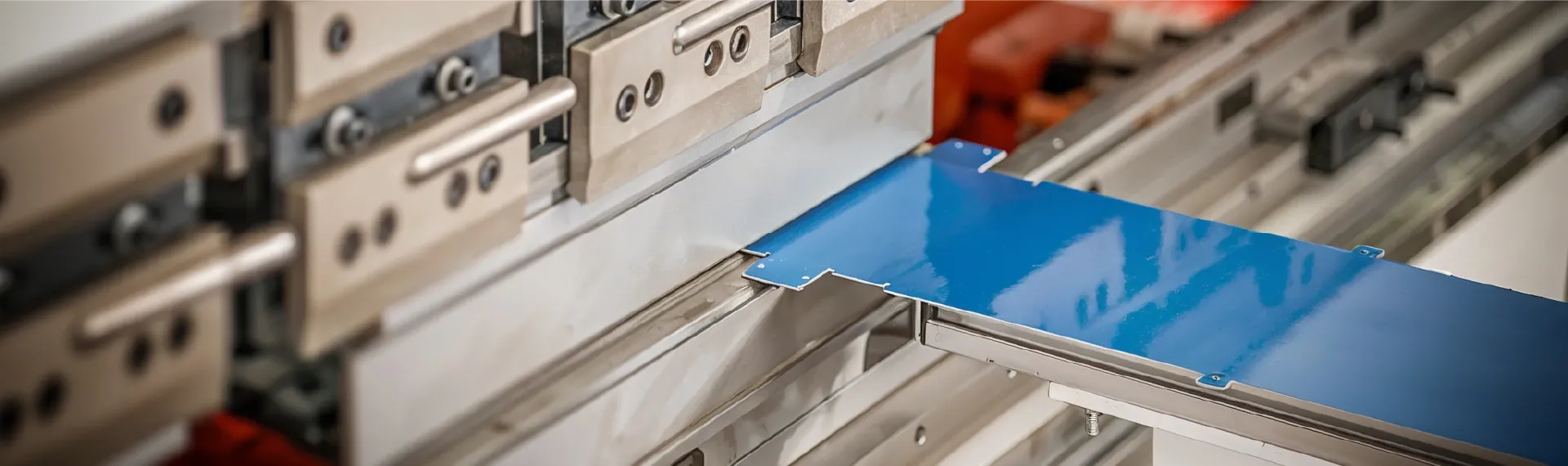
Bending is a common step in sheet metal manufacturing. But if the bend radius is too small, the metal can crack.
One important sheet metal bending design rule is simple:
The bend radius should be at least equal to the thickness of the sheet.
For example:
- If the sheet thickness is 1 mm
- The bend radius should be at least 1 mm
This helps keep the metal strong during bending.
3. Design Holes Properly
Many sheet metal parts have holes for screws, bolts, or airflow.
When designing holes, follow these simple sheet metal design guidelines:
- Hole size should not be smaller than the sheet thickness
- Keep enough space between holes
- Do not place holes too close to the edge
These small changes help prevent damage during fabrication.
4. Keep Distance Between Holes and Bends
Another important rule in design for sheet metal fabrication is keeping enough distance between holes and bend lines.
If a hole is too close to a bend, it may change shape during bending.
A common rule used by sheet metal fabrication manufacturers is:
The distance between the hole and the bend should be at least two times the sheet thickness.
This helps maintain the shape of the sheet metal parts.
5. Keep the Design Simple
Simplified geometries allow fabrication processes such as cutting, bending, and assembly to be completed faster while reducing tooling complexity and production cost.
To create a cost-effective sheet metal design, try to:
- Reduce the number of bends
- Avoid complicated shapes
- Use standard sizes
Simple designs help speed up sheet metal manufacturing and reduce errors.
6. Use Standard Bend Angles
Standard bend angles make fabrication easier.
Common angles used in custom sheet metal fabrication include:
- 90 degrees
- 45 degrees
- 30 degrees
Using standard angles helps machines work faster and improves accuracy.
7. Avoid Sharp Corners
Sharp corners can weaken metal parts. They can also create stress points that may cause cracks later.
Instead of sharp corners, designers should use rounded edges.
Rounded corners improve the strength and durability of sheet metal parts. They also make cutting and forming easier.
8. Think About Assembly
Many sheet metal components are connected to other parts during assembly.
Designers should make sure that:
- Holes line up correctly
- There is space for tools
- Parts fit together easily
This step makes installation faster and reduces problems during assembly.
Working with the Right Manufacturer
Good design and skilled manufacturing work together. Experienced sheet metal fabrication manufacturers can help improve the design and make the production process smoother.
Mech Power supports businesses with reliable sheet metal fabrication, helping them produce accurate and durable sheet metal parts for different industrial applications.
With proper planning and efficient sheet metal manufacturing, businesses can reduce costs and improve product quality.
Conclusion
Efficient sheet metal fabrication starts with smart design. Following simple sheet metal design guidelines helps manufacturers produce strong and accurate parts.
Choosing the right material, using proper bend radius, designing holes carefully, and keeping the design simple are some of the most important sheet metal fabrication best practices.
By combining good design with experienced manufacturers like Mech Power, businesses can create reliable and cost-effective sheet metal design solutions for many industries.






















Sign in to leave a comment.