When you need custom parts for your project, product, or business, choosing the right manufacturing method is very important. One of the most trusted and widely used methods today is CNC machining. It is known for its accuracy, speed, and ability to handle complex designs.
In this guide, we will explain everything buyers should know about CNC machining for custom parts in simple and clear language. Whether you are new to this or already have some experience, this will help you make better decisions.
What is CNC Machining?
CNC stands for Computer Numerical Control. It is a manufacturing process where machines are controlled by computers to cut, shape, and finish materials.
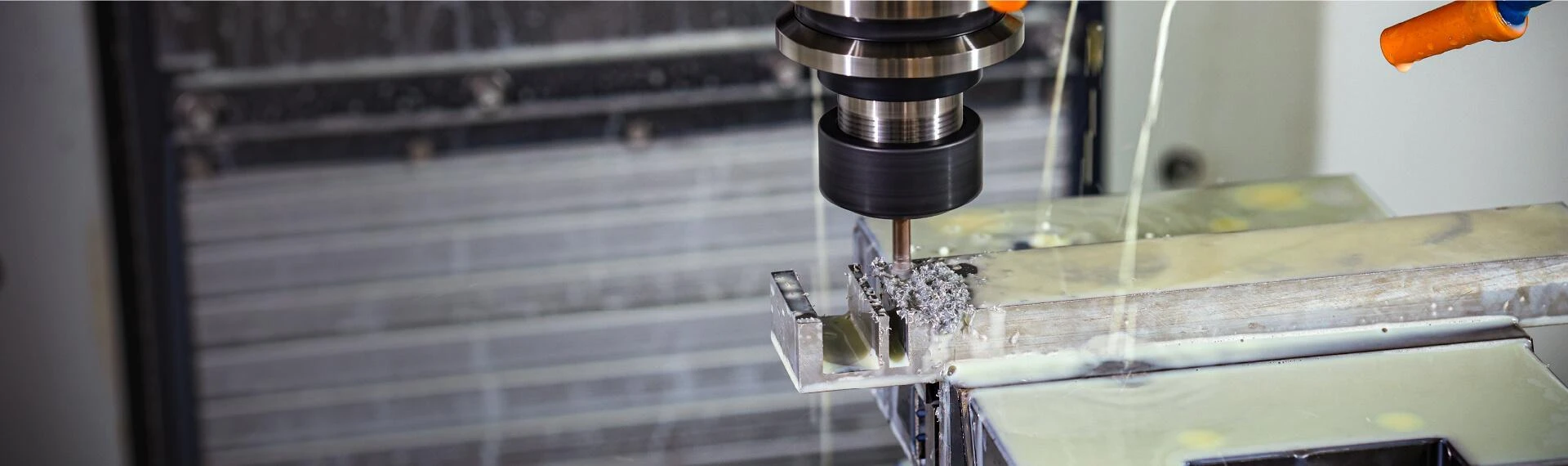
The CNC machining process uses digital designs to guide tools like drills, lathes, and milling machines. These machines remove material from a solid block to create a finished part.
In simple terms, CNC machining is like a very advanced cutting system that follows exact instructions to create precise parts.
How CNC Machining Works
Understanding how CNC machining works can help you make better choices as a buyer.
Here’s a step-by-step overview:
1. Design Creation (CAD Model)
Everything starts with a digital design created using CAD software.
2. Program Setup (CAM Software)
The design is converted into machine instructions.
3. Machine Setup
The material is fixed in place, and tools are selected.
4. Cutting Process
The machine starts cutting using tools like drills or mills.
5. Finishing
The part is polished, cleaned, or coated if needed.
This complete custom part manufacturing process ensures accuracy and repeatability.
Types of CNC Machining Used for Custom Parts
There are different types of CNC machining methods used depending on the part design:
1. CNC Milling
This is the most common method used to create cnc milling machine parts. It uses rotating cutting tools to remove material.
2. CNC Turning
Used for round or cylindrical parts. The material rotates while the tool shapes it.
3. CNC Drilling
Used to create holes with high precision.
4. Multi-axis Machining
Advanced machines that can move in multiple directions for complex parts.
Each method plays a key role in delivering precision CNC machining services.
Common CNC Machining Materials
Choosing the right material is very important for performance and cost. Some popular CNC machining materials include:
- Aluminum – Lightweight and easy to machine
- Steel – Strong and durable
- Stainless Steel – Corrosion-resistant
- Brass – Good for electrical parts
- Plastic (ABS, Nylon, PEEK) – Cost-effective and versatile
Your choice depends on the use of the part, the strength needs, and the budget.
CNC Machining Tolerances: Why They Matter
CNC machining tolerances refer to how precise the final part is compared to the design.
- Tight tolerance = higher accuracy
- Loose tolerance = more flexibility, lower cost
For example:
- Aerospace parts need very tight tolerances
- General parts can work with standard tolerances
Always discuss tolerance requirements with your cnc machining service provider to avoid unnecessary costs.
Benefits of CNC Machining
There are many benefits of CNC machining, especially for custom parts:
1. High Precision
CNC machines can create parts with very tight tolerances.
2. Consistency
Every part is produced exactly the same.
3. Wide Material Options
Works with metals, plastics, and more.
4. Fast Production
Quick turnaround for both prototypes and bulk orders.
5. Complex Designs
Can handle detailed and complicated shapes easily.
Because of these benefits, many industries prefer custom CNC machining services.
CNC Prototype Manufacturing
Before mass production, many buyers use CNC prototype manufacturing.
This helps in:
- Testing the design
- Checking fit and function
- Making improvements
Prototyping reduces risk and ensures the final product meets expectations.
CNC Machining Cost Factors
Understanding CNC machining cost factors helps you plan your budget better.
1. Material Cost
Some materials are more expensive than others.
2. Design Complexity
More complex designs require more time and advanced machines.
3. Tolerances
Tighter tolerances increase cost.
4. Quantity
Higher volume can reduce cost per part.
5. Finishing Requirements
Extra processes like coating or polishing add to the cost.
6. Machine Type
Using a high-end metal cnc cutting machine or multi-axis machine may increase pricing.
Tip: Always balance quality and cost. Don’t over-specify if it’s not needed.
Choosing a CNC Machining Supplier
Selecting the right partner is critical. Here’s what to look for when choosing a CNC machining supplier:
1. Experience
Check how long they have been in the industry.
2. Capabilities
Make sure they offer full cnc machining service including prototyping and production.
3. Quality Control
Look for certifications and inspection processes.
4. Material Options
Ensure they can work with your required materials.
5. Communication
Clear communication saves time and avoids mistakes.
6. Delivery Time
Reliable timelines are important for your business.
A trusted supplier like Mech Power focuses on quality, precision, and customer satisfaction.
CNC Machining for Different Industries
CNC machining is used across many industries:
- Automotive – Engine parts, brackets
- Aerospace – High-precision components
- Electronics – Enclosures and connectors
- Medical – Surgical tools and devices
- Industrial Equipment – Custom machine parts
Each industry relies on precision CNC machining services for performance and safety.
Tips for Buyers of Custom CNC Parts
If you are planning to order custom parts, keep these tips in mind:
1. Provide Clear Designs
Use accurate CAD files and detailed drawings.
2. Define Tolerances
Only specify tight tolerances where needed.
3. Choose the Right Material
Balance performance and cost.
4. Start with Prototyping
Use CNC prototype manufacturing before bulk orders.
5. Ask for Samples
Check quality before large production.
6. Compare Suppliers
Don’t just go for the cheapest option.
Common Mistakes to Avoid
Many buyers make simple mistakes that increase cost or delay production:
- Not understanding the CNC machining process
- Choosing the wrong materials
- Over-complicating the design
- Ignoring tolerance requirements
- Not checking supplier capability
Avoiding these mistakes can save time and money.
Why Choose Mech Power for CNC Machining?
When it comes to reliable and high-quality CNC machining for custom parts, Mech Power stands out as a trusted partner.
Here’s why:
- Advanced machines, including modern metal CNC cutting machine setups
- Skilled team with strong industry experience
- Complete custom CNC machining services from design to delivery
- Focus on precision and quality control
- Competitive pricing and fast turnaround
Whether you need prototypes or large production runs, Mech Power delivers consistent results.
Final Thoughts
CNC machining is one of the best solutions for custom part manufacturing today. It offers precision, flexibility, and reliability across different industries.
By understanding the CNC machining process, materials, tolerances, and cost factors, you can make smarter decisions as a buyer.
Always work with a trusted partner like Mech Power to ensure your project runs smoothly from start to finish.
























Sign in to leave a comment.