Innovation is the lifeblood of any startup. Bringing new ideas to life quickly, efficiently, and cost-effectively can mean the difference between success and stagnation. Traditional manufacturing processes often involve long lead times, high costs, and complex logistics, making it difficult for startups to iterate and test their ideas rapidly. This is where modern technologies, such as 3D printing, are transforming the landscape for early-stage companies, enabling faster product development and more agile business strategies.
Accelerating Prototyping with Online 3D Printing Services
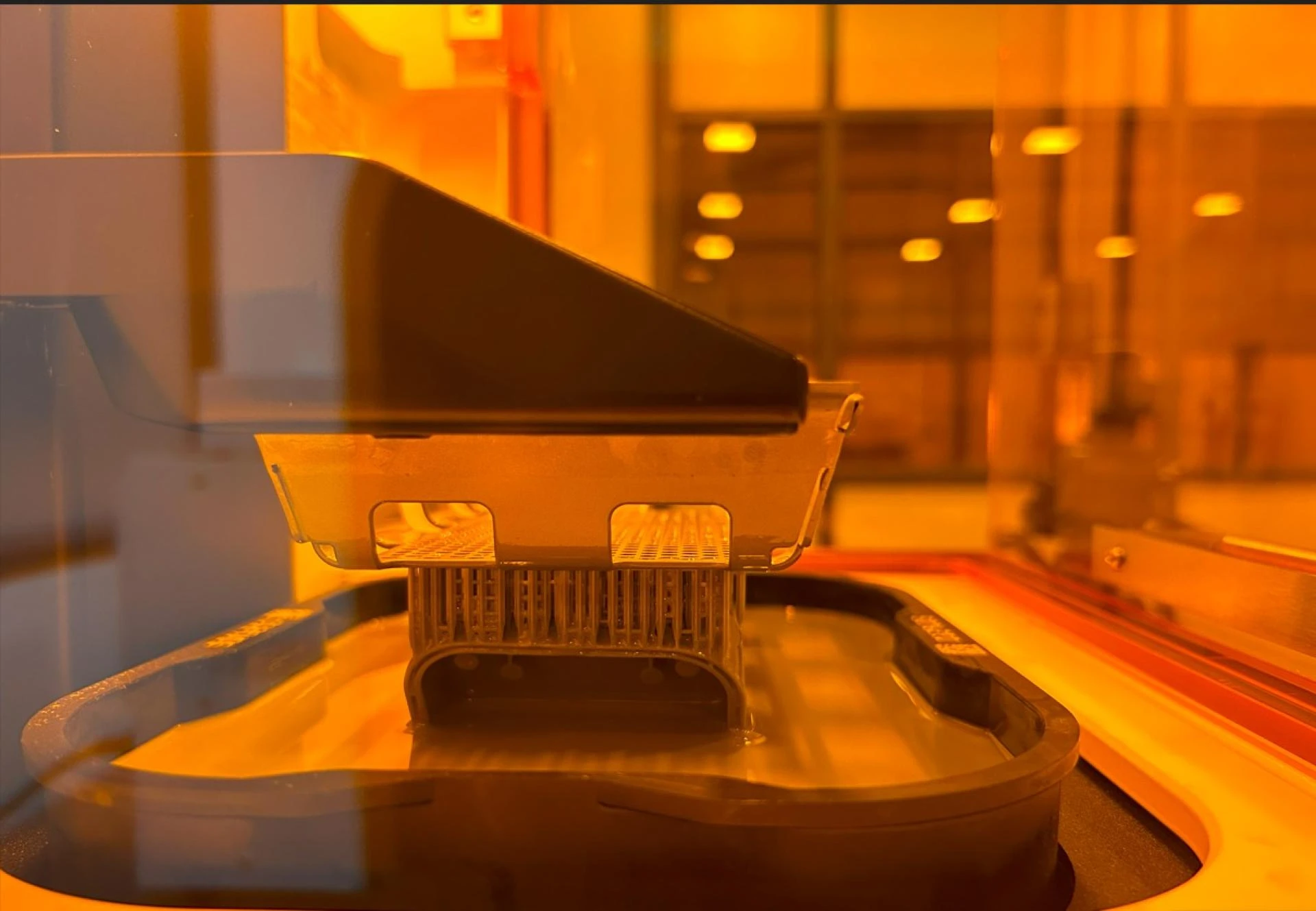
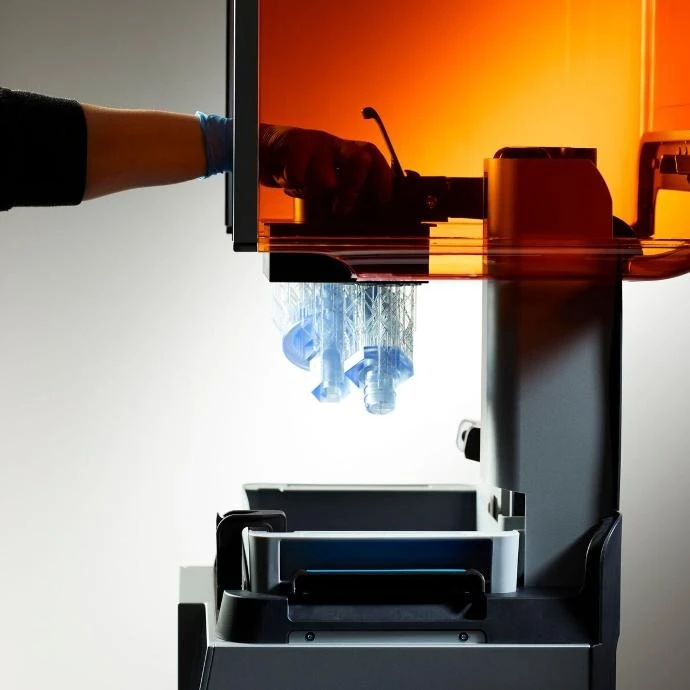
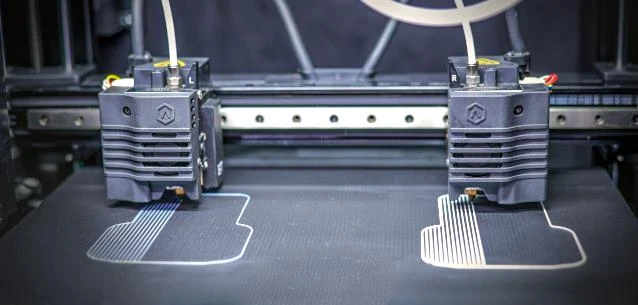
For startups, speed is critical. The faster a prototype can move from concept to physical model, the sooner a company can evaluate, refine, and launch a product. Online 3D printing services allow startups to upload designs and receive high-quality prototypes without the need for expensive equipment or in-house expertise. This accessibility reduces barriers to experimentation, enabling teams to test multiple iterations in the time it would traditionally take to produce just one. By leveraging these services, startups can validate ideas more effectively and make data-driven decisions before committing to full-scale production.
Reducing Costs Without Compromising Quality
One of the most significant advantages of using online 3D printing services is cost efficiency. Startups often operate on limited budgets, and investing in traditional manufacturing setups can be prohibitive. 3D printing eliminates the need for costly molds, tooling, and large minimum orders, allowing businesses to produce exactly what they need, when they need it. This not only conserves financial resources but also minimizes waste, making the product development process more sustainable. High-quality 3D printing materials and precision technologies ensure that even small-scale prototypes meet professional standards, giving startups a competitive edge without overspending.
Enhancing Design Flexibility and Creativity
Innovation thrives when there are fewer limitations on design possibilities. Unlike conventional manufacturing methods, 3D printing allows for complex geometries, intricate details, and customized parts that would be difficult or impossible to achieve otherwise. Startups can experiment with bold concepts, intricate structures, or personalized products tailored to specific customer needs. The ability to explore creative solutions without the constraints of traditional processes encourages a culture of experimentation and helps startups differentiate themselves in crowded markets.
Streamlining Collaboration and Remote Development
In today’s globalized business environment, teams are often spread across different locations. Online 3D printing services provide a seamless way to bridge these distances. Design files can be shared digitally, refined collaboratively, and sent directly to printing facilities for production. This eliminates delays associated with shipping prototypes between offices or relying on local manufacturing capabilities. By streamlining collaboration, startups can maintain momentum, accelerate decision-making, and reduce the risk of miscommunication during critical development stages.
Scaling Production Quickly
While rapid prototyping is the most immediate benefit, 3D printing also supports small-scale production runs. Startups can move from testing to market-ready products without significant downtime or investment in large-scale manufacturing. This flexibility allows businesses to respond quickly to market feedback, adjust designs, and scale operations as demand grows. By integrating 3D printing into the product lifecycle, startups can maintain agility while preparing for long-term growth.
Fostering a Culture of Continuous Innovation
Adopting online 3D printing services is more than a tactical advantage—it’s a mindset shift. Startups that embrace rapid prototyping and iterative design cultivate a culture of continuous improvement. Teams are encouraged to test ideas, learn from failures, and push boundaries without fear of costly setbacks. This mindset not only accelerates innovation but also positions startups to adapt quickly to changing market conditions and emerging opportunities.
Conclusion
For startups seeking to innovate faster, online 3D printing services offer an unmatched combination of speed, flexibility, and cost-effectiveness. By simplifying prototyping, enabling complex designs, and supporting remote collaboration, these services empower businesses to bring ideas to life more efficiently than ever before. Embracing this technology allows startups to focus on what truly matters—creating products that resonate with customers, adapting to market needs, and staying ahead of the competition in a rapidly evolving landscape.
























Sign in to leave a comment.