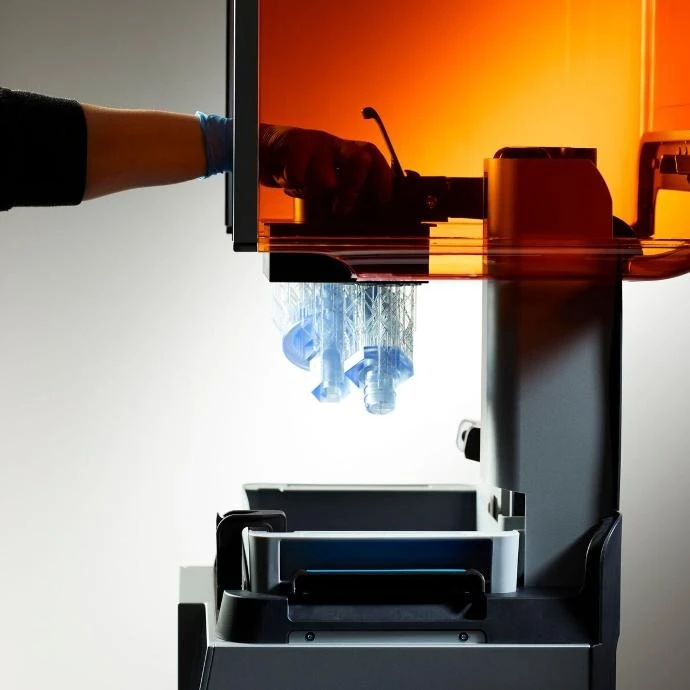

Resin 3D printing has revolutionized the world of additive manufacturing by allowing creators, hobbyists, and professionals to produce highly detailed and precise models. Unlike traditional filament-based 3D printing, resin printing uses photopolymer resins cured by light to create intricate designs with smooth surfaces and exceptional accuracy. Whether you are printing miniatures, prototypes, or functional parts, achieving optimal results requires attention to detail, proper preparation, and a clear understanding of the resin printing process.
Choosing the Right Resin and Printer Settings
The foundation of successful resin 3D printing starts with selecting the right resin for your project. Different resins offer unique properties, such as flexibility, durability, or high-detail capabilities. Once the resin is selected, it is crucial to fine-tune your printer settings to match the material's specifications. This includes adjusting layer heights, exposure times, and print speeds. Ensuring your printer is correctly calibrated can significantly reduce errors, warping, and failed prints, ultimately leading to smoother and more accurate models.
Preparing Your 3D Model and Orientation
Proper model preparation is essential for achieving high-quality resin prints. Before sending your file to the printer, ensure your 3D model is free of errors and has adequate support structures. Supports help prevent sagging and deformation during the printing process. Additionally, consider the orientation of your model. Placing the model at an optimal angle can improve surface finish, reduce the need for excessive supports, and enhance print stability. Investing time in slicing software adjustments can drastically improve the final output.
Maintaining Your Resin Printer
A well-maintained printer is crucial for consistent and high-quality prints. Regularly clean the resin vat and ensure the build plate is free of residual cured resin. Monitoring the condition of the FEP film or other resin trays is important, as damage or clouding can affect print accuracy. Routine maintenance, combined with keeping your workspace clean, helps prevent print failures and ensures long-term printer reliability.
Post-Processing Techniques for a Professional Finish
Post-processing is a critical step in resin 3D printing that transforms raw prints into polished final products. After printing, rinse the model in isopropyl alcohol to remove uncured resin. Carefully remove support structures, then cure the model under UV light to achieve full hardness and durability. Sanding, priming, and painting can further enhance the visual quality of your prints. Taking time during post-processing ensures your models not only look professional but also maintain structural integrity.
Environmental Factors and Safety Considerations
Resin 3D printing requires attention to environmental factors and safety precautions. Proper ventilation is necessary to avoid inhaling fumes from the resin, and wearing gloves protects your skin from direct contact with uncured material. Temperature and humidity levels can also influence print outcomes, so maintaining a stable environment improves print consistency. Being mindful of these factors not only protects your health but also maximizes the quality of your prints.
Continuous Learning and Experimentation
Finally, achieving the best results with resin 3D printing involves ongoing learning and experimentation. Testing new resins, adjusting print settings, and exploring different post-processing techniques help you discover what works best for your specific projects. Joining online communities or following industry experts can provide valuable insights, tips, and troubleshooting advice. Embracing a mindset of curiosity and experimentation allows you to push the boundaries of what your resin printer can achieve.
Resin 3D printing opens the door to creating highly detailed, precise, and visually striking models, but success depends on careful preparation, maintenance, and post-processing. By selecting the right materials, fine-tuning printer settings, and paying attention to environmental and safety considerations, you can consistently produce high-quality results. With patience, practice, and a willingness to experiment, anyone can master the art of resin 3D printing and bring their creative visions to life.




























Sign in to leave a comment.