In today’s industrial and commercial landscape, protecting electrical systems, machinery, and sensitive components is more important than ever. One of the most reliable solutions for housing and safeguarding these elements is the metal enclosure. These enclosures provide durability, security, and adaptability across various sectors, from construction to telecommunications. Choosing the right type of enclosure ensures not only protection but also compliance with safety standards, making it a crucial decision for engineers, manufacturers, and facility managers.
What is a Metal Enclosure Box?
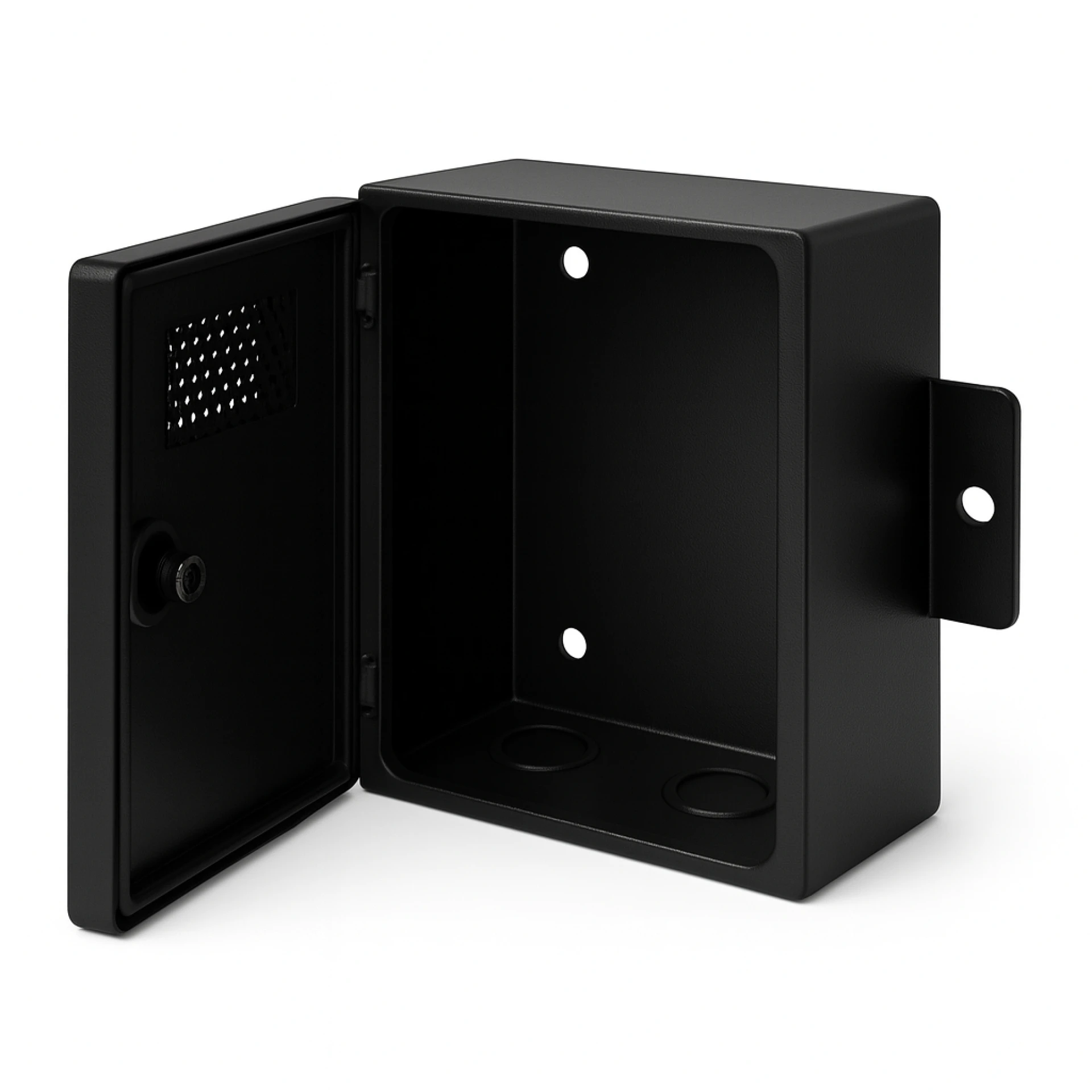
A metal enclosure box is a protective casing made from steel, aluminum, or stainless steel, designed to shield electrical or mechanical equipment from external factors. It acts as a barrier against dust, water, chemicals, and physical impact. Beyond protection, these enclosures also ensure safety for personnel by keeping hazardous equipment securely contained. Their design varies widely depending on the application, with some tailored for indoor use while others are engineered to withstand harsh outdoor environments. Understanding the different types and uses of these enclosures is essential for selecting the right solution.
Common Types of Metal Enclosure Boxes
Metal enclosures come in several types, each designed with unique characteristics for specific applications. Wall-mounted enclosures are among the most common, providing compact and accessible housing for control panels and electrical distribution systems. Free-standing enclosures are larger, offering greater space for complex machinery, motor controls, or large-scale automation equipment. Junction boxes, usually smaller in size, serve as protective housings for wire connections, preventing exposure to moisture or dust. Another widely used type is the modular enclosure, which allows customization and scalability to meet growing industrial needs. Each type is built with precision to address both safety and operational requirements.
Applications in Different Industries
The versatility of metal enclosures makes them valuable across diverse industries. In the manufacturing sector, they are used to protect automation controls, sensors, and power supplies. The telecommunications industry relies on them to secure servers, data switches, and fiber connections against environmental factors. Construction sites make use of robust outdoor enclosures to house temporary power distribution systems. Similarly, in the energy sector, they are essential for safeguarding transformers, switchgear, and monitoring systems. Their role extends to healthcare, where sensitive diagnostic equipment must remain safe from interference and contamination. Regardless of the industry, the right enclosure guarantees smooth, uninterrupted operations.
Benefits of Metal Enclosures
The primary advantage of metal enclosures lies in their strength and durability. Unlike plastic alternatives, they resist impact, corrosion, and extreme weather conditions. Many models are also designed to meet IP (Ingress Protection) and NEMA (National Electrical Manufacturers Association) standards, offering certified assurance of water and dust resistance. In addition to physical protection, they provide excellent electromagnetic shielding, reducing the risk of signal interference in sensitive electronic systems. Their adaptability in terms of design, size, and finish further enhances their value, allowing businesses to select enclosures tailored to both function and aesthetic requirements.
Factors to Consider When Choosing an Enclosure
Selecting the right metal enclosure requires evaluating several critical factors. The environment plays a major role—outdoor installations demand weather-resistant and corrosion-proof materials such as stainless steel or powder-coated steel. The size and complexity of the equipment being housed must also be assessed, ensuring adequate space for installation and future expansion. Safety and compliance standards cannot be overlooked, as different industries may require specific certifications. Ease of access for maintenance and the option for customization, such as adding cutouts, ventilation, or cable entry points, are also vital considerations. Making the right choice guarantees long-term reliability and safety.
Conclusion
Metal enclosure boxes have become an indispensable part of modern industry, serving as protective housings that ensure safety, efficiency, and compliance. Their wide range of types and uses makes them suitable for applications across manufacturing, telecommunications, construction, energy, and healthcare. By understanding the features, benefits, and selection factors, businesses can make informed decisions when investing in enclosures. Ultimately, choosing the right metal enclosure not only protects equipment but also enhances performance, safety, and productivity in demanding environments.




























Sign in to leave a comment.