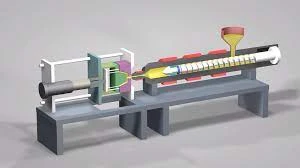
Injection molding has become one of the most preferred manufacturing processes across various industries due to its efficiency, precision, and cost-effectiveness. From automotive to medical devices, this method is widely used to produce high-quality plastic parts with consistency. Understanding the benefits of injection molding can help manufacturers make informed decisions when choosing the best production techniques for their needs.
One of the most significant advantages of injection molding is its ability to produce complex and intricate parts with remarkable precision. The molds used in this process are designed to exact specifications, allowing manufacturers to create components with detailed geometries and tight tolerances. This level of accuracy is particularly essential in industries such as aerospace, medical, and electronics, where even the slightest deviation can impact the final product’s functionality.
Another key benefit is the efficiency of the production cycle. Once the mold is designed and set up, the injection molding process can produce a large volume of parts in a short period. The automated nature of the process reduces human intervention, minimizing the chances of errors while ensuring consistency. This high production speed makes injection molding an ideal choice for large-scale manufacturing, where time and efficiency are critical factors.
Cost-effectiveness is another major advantage of injection molding. While the initial investment in mold creation can be high, the per-unit cost of production decreases significantly as the volume increases. This scalability makes it an attractive option for businesses looking to manufacture large quantities of parts without compromising quality. Additionally, the process minimizes material waste, further contributing to cost savings.
Material versatility is a crucial factor that adds to the appeal of injection molding. A wide range of thermoplastic and thermosetting polymers can be used, allowing manufacturers to select materials with specific properties such as durability, heat resistance, flexibility, and chemical resistance. This flexibility makes injection molding suitable for diverse applications, from consumer goods to high-performance industrial components.
Sustainability is increasingly becoming a priority in manufacturing, and injection molding supports this goal by reducing material waste. The process generates minimal scrap, and excess plastic can often be recycled and reused. This eco-friendly approach aligns with the growing demand for sustainable manufacturing practices, helping businesses reduce their environmental footprint while maintaining efficiency and quality.
Another significant advantage is the consistency and repeatability of injection molding. Once the mold is created, each produced part is identical to the previous one. This uniformity is essential in industries that require high-quality standards and consistency across multiple production runs. Whether producing thousands or millions of units, injection molding ensures that each part meets the same specifications.
Design flexibility is another key benefit. Injection molding allows for the incorporation of multiple features into a single part, reducing the need for additional assembly. Complex designs, intricate details, and multiple material combinations can be seamlessly achieved through this process, enhancing product functionality and aesthetics.
Durability is a crucial factor when manufacturing parts for demanding applications. Injection molding produces strong and durable components that can withstand harsh conditions, making it suitable for industries such as automotive, construction, and electronics. By selecting the right materials and optimizing the molding process, manufacturers can enhance the strength and longevity of their products.
Automation plays a vital role in the efficiency of injection molding. The process can be highly automated, reducing labor costs and improving overall productivity. Advanced robotics and computer-controlled systems ensure precise operation, minimizing defects and optimizing production efficiency. This automation also enhances workplace safety by reducing direct human involvement in potentially hazardous tasks.
Scalability is another reason manufacturers prefer injection molding. The process can be tailored to meet various production demands, from small batches to mass production. This adaptability makes it a viable option for businesses of all sizes, whether they are startups looking to produce prototypes or established companies needing large-scale production.
One of the most valuable aspects of injection molding is the ability to customize products to meet specific requirements. With advancements in molding technologies, manufacturers can create parts with different textures, colors, and finishes without requiring additional processing. This customization capability enhances product appeal and functionality, making injection molding a preferred choice for industries that require unique and tailored solutions.
Quality control is a crucial aspect of manufacturing, and injection molding excels in maintaining high standards. Advanced monitoring systems and precision molds ensure that each part meets strict quality requirements. Defects such as warping, shrinkage, and surface imperfections can be minimized through process optimization, leading to reliable and high-quality products.
Businesses seeking reliable and efficient production methods often turn to Injection Molding Services to take advantage of these benefits. These services provide expertise in mold design, material selection, and production optimization, ensuring high-quality results for various applications. Partnering with an experienced provider can help manufacturers achieve superior product performance while optimizing production costs.


























Sign in to leave a comment.