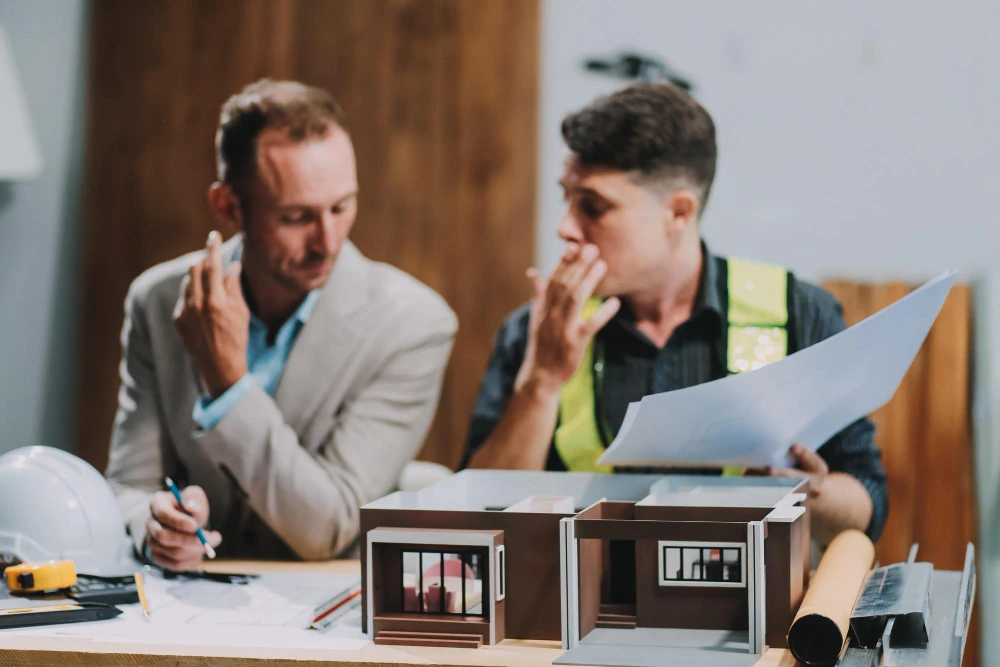

Construction projects often bring a mix of excitement and stress. Most people start with high hopes, expecting a smooth process and a finished result they can be proud of. However, things do not always go as planned. Many contractor disputes are not the result of poor work or bad intentions, but simply misunderstandings that could have been avoided with better communication.
Below are some of the most common misunderstandings that lead to problems between clients and contractors, and how each one can be addressed early in the process.
1. The Scope of Work Is Not Clear
One of the biggest sources of conflict is when the client and contractor have different ideas about what is included in the job. For example, the client may assume that painting, cleanup, or waste disposal is part of the package, while the contractor considers it extra.
To avoid confusion, both parties should go over the project in detail before any work begins. Every task should be written down, including materials, responsibilities, and what is excluded. Having everything documented in a clear agreement helps both sides stay on the same page.
2. Lack of Ongoing Communication
Even when the project starts with a clear plan, problems can happen if there is not enough communication during the job. A contractor may decide to make a change without checking, thinking it will be fine. Later, the client notices the change and feels left out or frustrated.
Simple, regular updates can prevent this. A quick call, message, or weekly meeting to discuss progress can go a long way. Staying in touch helps catch issues early and keeps trust strong throughout the project.
3. Different Expectations About the Timeline
Many clients expect construction projects to move quickly. They may hope to finish in a few weeks, not knowing that permits, inspections, or supply delays can extend the timeline. On the other hand, the contractor may know the job will take longer but may not explain it clearly at the start.
This is why it is important to create a detailed timeline. Go through each stage of the project together and set realistic expectations. If delays happen, update the schedule and explain why things have changed. Being honest about timing avoids surprises and stress later on.
4. Confusion Over Materials and Finishes
Another common problem is when the client imagines a high-end finish, but the contractor plans to use standard materials to stay within budget. When the final result does not match the client's expectations, the relationship can suffer.
To prevent this, both sides should review materials before they are ordered. Samples, product names, and photos are useful for making sure everyone is on the same page. List these choices in the written agreement to avoid disagreements later.
5. Extra Costs That Were Not Explained
Disputes often happen when costs increase and the client does not understand why. A contractor might charge for extra hours, unexpected repairs, or last-minute changes, but if these charges were not discussed in advance, the client may feel misled.
At the start of the project, the quote should be broken down into parts. The contractor should explain what is included and what is not. If something unexpected comes up, talk about the cost before doing the work. This keeps trust strong and helps everyone manage the budget with less stress.
6. Verbal Changes That Are Not Written Down
Clients sometimes ask for small changes during a project. The contractor agrees on the spot, and the work moves forward. However, if those changes lead to delays or extra costs, there may be no written proof of what was agreed.
To avoid this, write down all changes. Even a short message or signed note can be enough. Keeping a record of changes protects both the client and the contractor if questions come up later.
Most construction disputes start from simple misunderstandings. With clear communication, written agreements, and regular updates, these problems can often be prevented. When both the client and the contractor take time to plan properly and stay in touch, the project is more likely to run smoothly.
Construction is not only about tools and materials. It is about people working together to build something that lasts. Clear expectations, respect, and honesty are what truly lay the foundation for a successful job.



































Sign in to leave a comment.