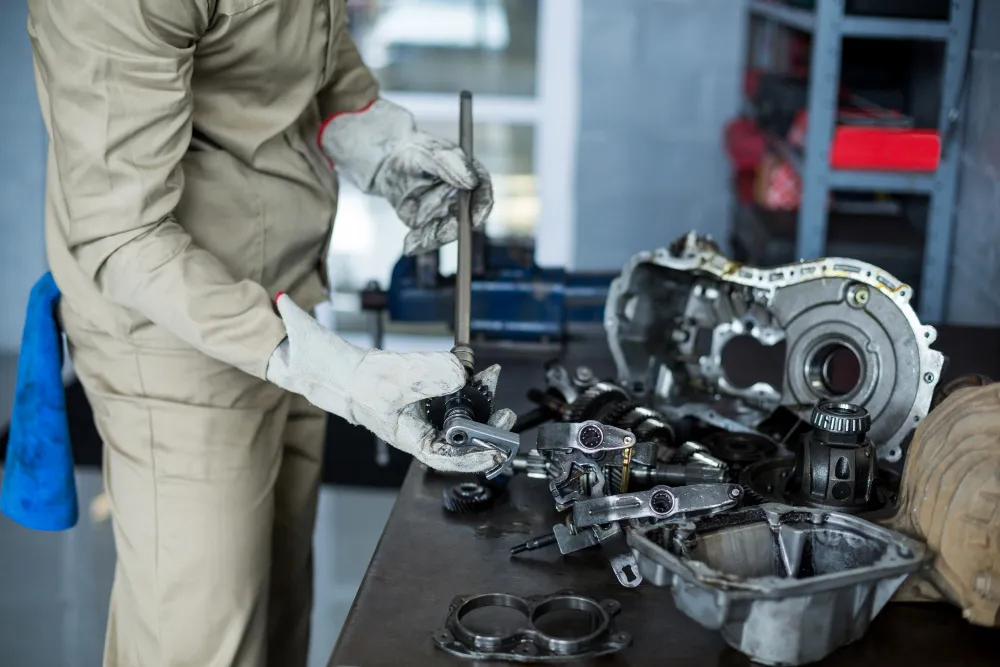

Engine blocks form the structural foundation of many combustion engines, supporting cylinders, crankshaft assemblies, lubrication passages, and other critical components. Over time, heat, friction, pressure, corrosion, and repeated operation can cause damage that affects performance and reliability. When these problems develop, rebuilding can provide an opportunity to restore the block rather than replacing the entire engine assembly. Professional engine block rebuilding involves detailed inspection, accurate measurements, precision machining, and careful restoration of damaged areas. Addressing these concerns correctly can improve component fit, restore operating dimensions, and support dependable engine performance.
Understanding Engine Block Damage
Engine blocks can develop different types of damage depending on operating conditions, maintenance history, engine design, and age. Some problems are easy to identify during disassembly, while others require precise measurement and inspection equipment. Cracks, cylinder wear, damaged threads, distorted surfaces, and worn bearing locations are among the issues commonly evaluated during rebuilding. Identifying every significant defect is important because repairing only an obvious problem may leave other weaknesses unresolved. A complete assessment allows technicians to determine whether restoration is practical and which machining procedures are appropriate for the block.
Cylinder Bore Wear
Cylinder bores experience continuous contact with piston rings and other moving components, making them particularly vulnerable to gradual wear. Over time, the bore may become enlarged, tapered, or irregular instead of maintaining its intended cylindrical shape. Excessive wear can contribute to poor compression, increased oil consumption, reduced efficiency, and uneven piston movement. During rebuilding, technicians measure the bores carefully to determine their condition. When appropriate, machining can restore the bore surfaces to suitable dimensions. This provides a better foundation for properly fitted pistons and rings while supporting more consistent engine operation.
Cylinder Wall Damage
Cylinder walls can also develop scoring, scratches, corrosion, or other surface imperfections. Damage may result from lubrication problems, contaminated oil, overheating, broken components, or prolonged use. Minor imperfections may be addressed through suitable finishing procedures, while more substantial damage may require additional machining. The goal is to create a surface that works correctly with the piston and rings. Proper cylinder wall preparation can support effective sealing and lubrication. It can also help prevent premature wear after assembly, making cylinder restoration an important part of a carefully performed rebuilding process.
Crankshaft Bearing Surface Problems
The crankshaft depends on accurately positioned bearing surfaces within the engine block. Over time, bearing locations can become worn, distorted, or damaged, particularly when an engine has experienced inadequate lubrication or excessive operating stress. Misaligned or damaged bearing locations can affect crankshaft positioning and contribute to vibration, friction, and premature bearing failure. During rebuilding, these areas are inspected and measured carefully. Appropriate machining can sometimes restore the required dimensions and alignment. Correcting these surfaces helps establish a stable foundation for the crankshaft and supports proper interaction between the rotating assembly and the engine block.
Main Bearing Alignment
Main bearing alignment is essential because the crankshaft must rotate smoothly through its support points. If the bearing locations are not aligned correctly, the crankshaft may experience uneven loading and excessive friction. Distortion can develop because of overheating, mechanical stress, previous repairs, or prolonged operation. Specialized machining procedures can help correct alignment when the block remains suitable for restoration. Accurate work ensures that the bearing locations relate properly to one another. This attention to alignment can reduce mechanical stress and help protect bearings and crankshaft components from unnecessary wear during future engine operation.
Damaged Deck Surfaces
The deck surface is another important area examined during engine block rebuilding. This surface provides the sealing foundation between the engine block and cylinder head. Overheating, corrosion, previous disassembly, or mechanical damage can cause the deck to become uneven or distorted. An irregular surface may interfere with proper sealing and contribute to compression loss or coolant leakage. Machining can restore suitable flatness when the condition and dimensions of the block permit it. A properly prepared deck surface helps create a more reliable sealing relationship and supports consistent engine operation after the rebuilding process is completed.
Cracks and Structural Damage
Cracks are among the more serious problems that may be discovered during block inspection. They can occur because of severe overheating, freezing, mechanical stress, casting imperfections, or other conditions. Cracks may appear around cylinder areas, water passages, bearing locations, or other stressed sections of the block. Careful inspection is necessary to determine their location and severity. Depending on the material, position, and extent of the damage, certain cracks may be repairable through specialized restoration methods. Identifying structural damage early helps determine whether the block can be safely restored or requires replacement.
Corrosion Around Water Passages
Coolant passages inside an engine block can experience corrosion when cooling systems are neglected or contaminated. Corrosion may weaken surrounding material, restrict coolant flow, or contribute to leakage. In severe cases, erosion can affect sealing areas and other important surfaces. During rebuilding, technicians inspect accessible areas for evidence of corrosion and deterioration. Appropriate cleaning and machining procedures can help restore affected surfaces when sufficient material remains. Maintaining sound coolant passages is important because effective temperature control protects the engine block and its internal components from excessive heat and related damage.
Damaged Threaded Holes
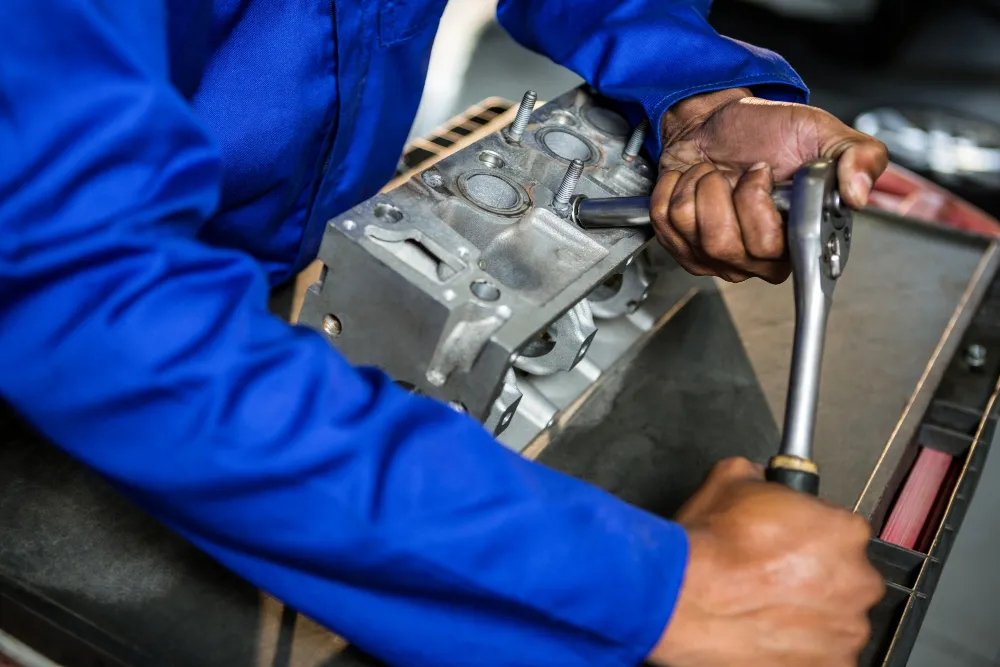
Threaded holes are used throughout an engine block to secure components such as cylinder heads, covers, brackets, sensors, and other assemblies. Repeated assembly, corrosion, excessive tightening, or damaged fasteners can cause threads to become worn or stripped. A damaged thread can prevent proper fastener engagement and create problems during final assembly. Depending on the application, specialized repair procedures can restore the threaded area and provide a reliable fastening point. Addressing damaged threads during rebuilding prevents small assembly problems from becoming larger issues and helps ensure that critical components remain securely positioned.
Distorted or Warped Components
Engine blocks are exposed to significant temperature changes throughout their operating life. Repeated heating and cooling can contribute to distortion, especially when an engine has experienced severe overheating. Warping can affect deck surfaces, bearing alignment, cylinder geometry, and other critical dimensions. Precision measurements help identify whether distortion exists and determine how much correction may be possible. Carefully controlled machining can restore certain surfaces while maintaining appropriate dimensions. Correcting distortion is important because even small dimensional changes can influence sealing, alignment, lubrication, and component movement once the rebuilt engine returns to service.
Damaged Lifter and Camshaft Areas
Certain engine designs include precisely machined areas supporting camshaft or lifter components. These locations can develop wear because of inadequate lubrication, contamination, improper adjustment, or extended operation. Excessive wear may affect component movement and interfere with proper valve train operation. During rebuilding, these areas can be examined for dimensional changes and surface damage. Where suitable, machining or specialized restoration procedures may help return the affected locations to functional condition. Addressing wear in these areas can contribute to smoother operation and reduce the possibility of premature damage to newly installed internal engine components.
Importance of Precision Measurement
Professional rebuilding depends heavily on accurate measurement. Engine blocks contain numerous dimensions that must work together, including cylinder bore sizes, bearing locations, deck height, alignment, and other critical surfaces. Guessing at dimensions can lead to poor component fit and premature failure. Technicians use appropriate measuring tools to identify wear and compare existing dimensions with required specifications. These measurements guide machining decisions and help determine whether a component can be restored safely. Precise measurement therefore provides the foundation for effective rebuilding and helps ensure that restored engine components work together as intended.
Why Professional Rebuilding Matters
Engine block rebuilding is more than cleaning and replacing individual components. It is a detailed restoration process that addresses the condition and dimensions of the block itself. Professional machining can correct wear, restore damaged surfaces, improve alignment, and prepare the block for compatible internal components. A properly rebuilt block can provide a reliable foundation for engine assembly and continued operation. The process may also preserve an existing engine structure that would otherwise be discarded. By addressing problems systematically, professional rebuilding can provide a practical approach to restoring performance while supporting longer equipment service life.
Supporting Long Term Engine Reliability
A successfully rebuilt engine block can contribute to reliable performance when all related components are properly inspected and assembled. Restoring cylinder geometry, bearing alignment, sealing surfaces, threads, and other critical areas helps establish the conditions required for effective operation. Proper rebuilding can also reduce the likelihood that unresolved wear will damage newly installed components. Maintenance remains important after restoration, since lubrication, cooling, operating conditions, and regular inspections continue to influence engine life. Professional block restoration therefore works best as part of a broader approach to careful engine maintenance and responsible equipment operation.
Conclusion
Professional engine block rebuilding can address many problems that develop through normal wear, overheating, corrosion, poor lubrication, and mechanical stress. Cylinder bore wear, damaged walls, bearing alignment concerns, deck irregularities, cracks, corrosion, stripped threads, distortion, and worn supporting areas can all require careful evaluation during restoration. Accurate inspection and precision machining help determine which issues can be corrected and how the block should be prepared for reassembly. For dependable machining expertise and engine component restoration, Rutt's Machine Shop Inc. can provide valuable support for restoring engine blocks and helping rebuilt engines deliver reliable service.





















Sign in to leave a comment.