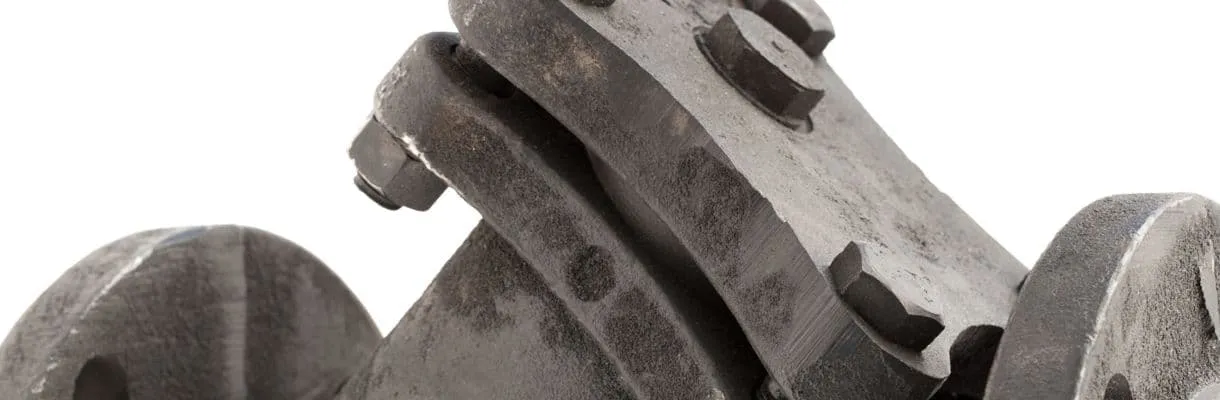

Cast iron components are widely used in automotive, industrial, agricultural, and mechanical applications because they provide strength, stability, and resistance to wear under demanding conditions. However, exposure to impact, thermal stress, corrosion, vibration, and repeated loading can eventually create cracks or other damage that affects component performance. When damage appears, professional assessment can determine whether restoration remains practical. For businesses and equipment owners considering cast iron crack repair, understanding the condition, location, size, and cause of damage is essential before selecting a suitable restoration approach for the affected component.
Understanding Cast Iron Damage
Common Causes of Cracking
Cast iron can develop cracks for several reasons, and identifying the original cause is an important part of the restoration process. Sudden temperature changes can create thermal stress, while excessive mechanical loading may produce fractures around highly stressed areas. Impact damage, corrosion, vibration, and manufacturing imperfections can also contribute to cracking. Cracks may appear around mounting points, bolt holes, cylinder areas, housings, or other locations exposed to repeated stress. A careful inspection helps determine whether the damage is localized and potentially suitable for professional restoration.
Importance of Crack Location
The location of a crack can strongly influence whether a cast iron component can be restored. Damage in a noncritical area may present fewer concerns than a crack affecting a highly loaded structural section, sealing surface, or precision bore. Technicians generally need to examine the surrounding material and determine whether the affected area can safely support the intended application after repair. The component's original function, operating conditions, and structural requirements all contribute to the evaluation. A crack should therefore be assessed in context rather than judged solely by its visible size.
Evaluating Crack Size and Depth
The visible portion of a crack does not always represent the complete extent of the damage. A small opening on the surface may extend deeper into the casting or continue farther than initially expected. Careful inspection can help establish the crack's length, depth, and direction while identifying related damage nearby. Depending on the component, specialized inspection methods may be appropriate for determining the condition of the material. Understanding the full damage pattern allows restoration planning to be based on actual conditions rather than assumptions made from a visual inspection alone.
Conditions Supporting Professional Restoration
Suitable Material Condition
The remaining condition of the cast iron is another important consideration when determining whether restoration is practical. Excessive corrosion, widespread cracking, severe distortion, or substantial material loss may limit available repair options. Conversely, a component with localized damage and adequate surrounding material may remain a candidate for restoration. The material's original composition and condition can also influence the selected repair procedure. A professional assessment considers these factors together to determine whether the component can reasonably be restored while maintaining the required dimensions, strength, and functional characteristics.
Structural Importance of the Component
A cast iron part's purpose within an assembly must be considered before restoration begins. Some components provide structural support, while others contain moving parts, fluids, bearings, or precision surfaces. Damage affecting a critical load bearing area may require more extensive evaluation than damage on a secondary feature. The intended operating loads and environmental conditions also influence the decision. Professional restoration should therefore focus not only on closing a visible crack but also on ensuring that the repaired component remains appropriate for its specific mechanical application.
Assessing Heat Related Damage
Heat exposure can create unique challenges when cast iron components are damaged. Rapid heating or cooling may generate internal stresses that cause cracking, distortion, or changes around the affected area. Components exposed to repeated thermal cycling may require particularly careful evaluation because additional damage can exist beyond the original crack. Restoration planning should account for the temperatures and conditions the component experiences during normal operation. Understanding the thermal environment helps determine whether a repair method is appropriate and whether additional machining or inspection may be required afterward.
Addressing Surface and Internal Damage
Cast iron damage may involve more than a single visible crack. The surrounding surface can become distorted, chipped, corroded, or worn, while internal areas may contain additional defects. Professional restoration can involve examining the complete affected region before determining the necessary work. Cleaning and preparation may reveal damage that was not immediately visible. Once the condition is understood, appropriate repair and machining procedures can be considered. This comprehensive approach helps avoid treating only the most obvious symptom while leaving related problems that could affect future component performance.
Restoration and Machining Considerations
Importance of Proper Preparation
Preparation is an important stage in any cast iron restoration project. The affected area generally needs to be cleaned and carefully examined before repair work begins. Contaminants, oil, corrosion, coatings, and damaged material can interfere with restoration procedures or make the true extent of a crack difficult to identify. Proper preparation can also help technicians establish clear repair boundaries and determine whether additional machining is necessary. Taking time to prepare the component correctly supports a more controlled restoration process and reduces uncertainty during subsequent repair operations.
Precision Machining After Restoration
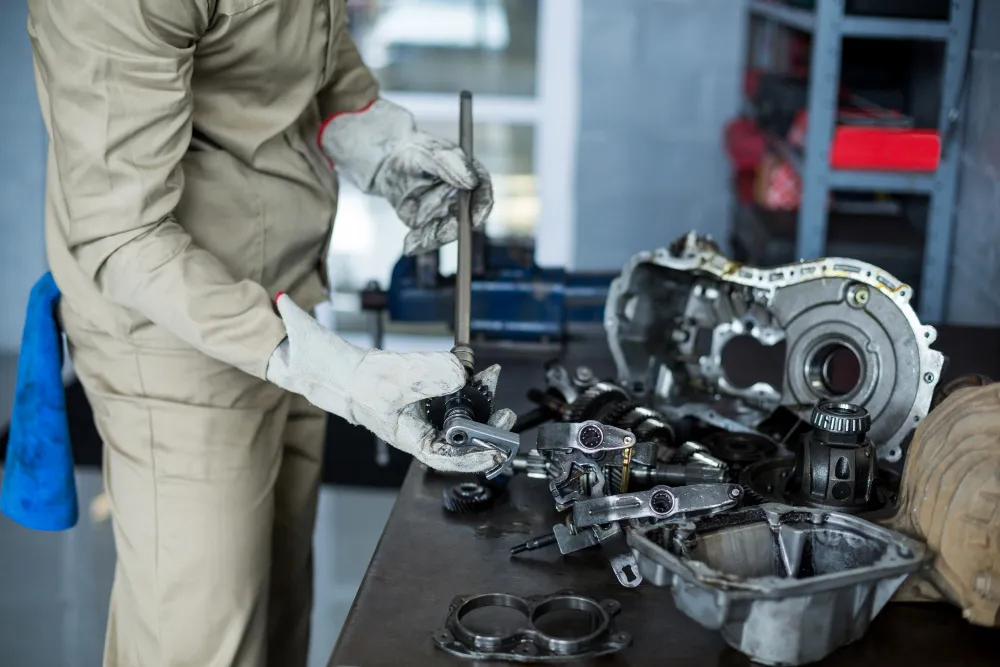
Some cast iron components require machining after the damaged area has been restored. Repair work can alter a surface, bore, mounting area, or other precision feature that must return to a specified dimension. Machining can help restore these areas to appropriate measurements and improve fit with mating components. Depending on the application, boring, milling, grinding, drilling, or surface finishing may be involved. Measurements remain important throughout this stage because the restored component must meet the dimensional requirements necessary for proper assembly and dependable operation.
Restoring Engine Components
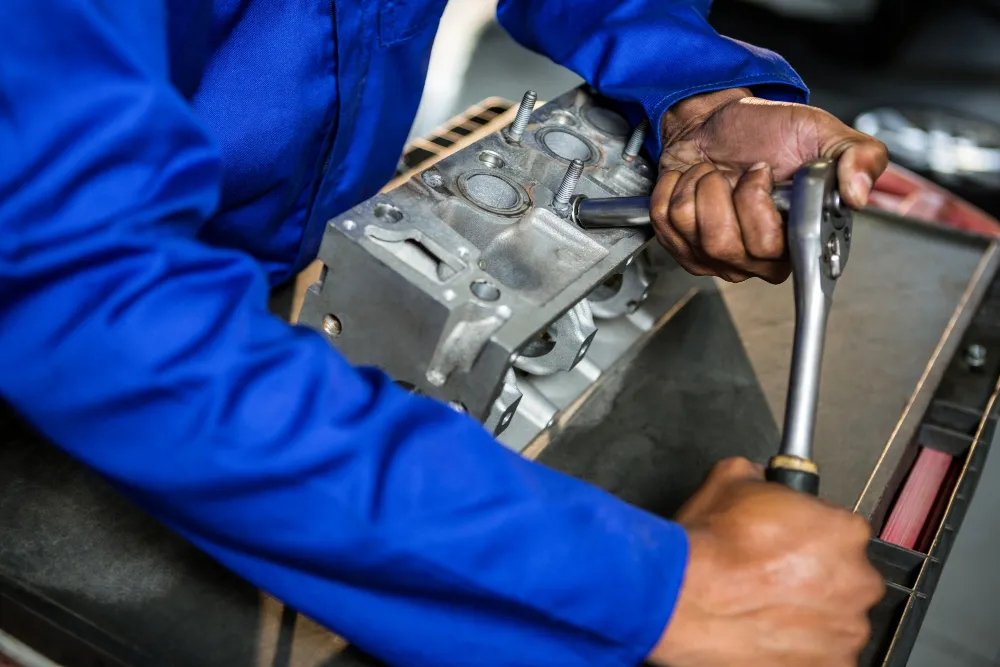
Cast iron engine components can experience cracking because they are exposed to combustion temperatures, pressure, vibration, and repeated thermal cycles. Engine blocks and related castings may develop damage around cylinders, mounting points, water passages, or other areas. Professional inspection can determine whether the affected component remains suitable for restoration. When restoration is practical, repair may be followed by machining to recover required surfaces and dimensions. Careful evaluation is especially important for engine applications because repaired areas must function correctly alongside numerous precision components within the complete assembly.
Industrial Equipment Applications
Industrial equipment can also contain cast iron housings, bases, covers, machine components, and structural elements that may become damaged during operation. Replacing a large or specialized casting may be difficult, especially when the original component is obsolete or no longer readily available. Professional restoration can provide another possibility when the damage is suitable for repair. The feasibility depends on the casting's structural condition, damage location, operating requirements, and restoration needs. A detailed inspection helps determine whether repair can provide a practical solution for the equipment involved.
Agricultural and Heavy Equipment
Agricultural and heavy equipment frequently operates under demanding conditions involving vibration, impact, changing loads, dirt, moisture, and temperature variations. Cast iron components exposed to these conditions can eventually develop cracks or other forms of damage. Because certain equipment uses specialized or older components, obtaining direct replacements may present challenges. Professional restoration may offer an alternative when the affected part remains structurally suitable. The repair process should account for the equipment's working environment and expected loads so the restored component is appropriate for its intended service.
Factors Affecting Restoration Decisions
Cost Compared With Replacement
The financial comparison between restoration and replacement can influence the final decision. Replacement may be straightforward when an affordable component is readily available, but specialized castings can be expensive or difficult to source. Restoration costs depend on inspection requirements, crack severity, preparation, repair procedures, machining, testing, and finishing. A detailed estimate allows equipment owners to compare these factors with the price and availability of a replacement component. Cost alone should not determine the decision, since safety, reliability, component availability, and expected service requirements also deserve consideration.
Availability of Replacement Components
Replacement availability becomes especially important for older machinery and specialized equipment. A damaged casting may no longer be manufactured, or available replacements may require extensive modification before installation. In such cases, restoring the existing component can preserve the original configuration and avoid searching for an uncertain substitute. Professional evaluation can help determine whether the existing casting provides a viable restoration base. When suitable material remains around the damaged area and the component can meet its required specifications after repair, restoration may provide a practical path forward.
Importance of Professional Inspection
Professional inspection provides the information needed to determine whether damaged cast iron can be restored appropriately. The assessment may consider crack location, material condition, structural importance, operating environment, dimensions, and the presence of additional defects. Depending on the component, inspection can also identify whether machining or further testing is necessary after repair. This process helps establish realistic expectations before work begins. Rather than assuming every crack can be repaired, a professional evaluation focuses on the specific characteristics of the component and its intended application.
Conclusion
Damaged cast iron components may remain useful when cracking or other defects are localized, the surrounding material is suitable, and the component can be restored to appropriate functional and dimensional requirements. Careful inspection is essential because crack size alone does not determine whether restoration is practical. Professional repair combined with precision machining can help return suitable components to service while addressing damaged surfaces and critical dimensions. Equipment owners considering cast iron crack repair can benefit from obtaining a detailed assessment before selecting restoration or replacement. Rutt's Machine Shop Inc. can assist with suitable cast iron restoration and related precision machining requirements.




















Sign in to leave a comment.