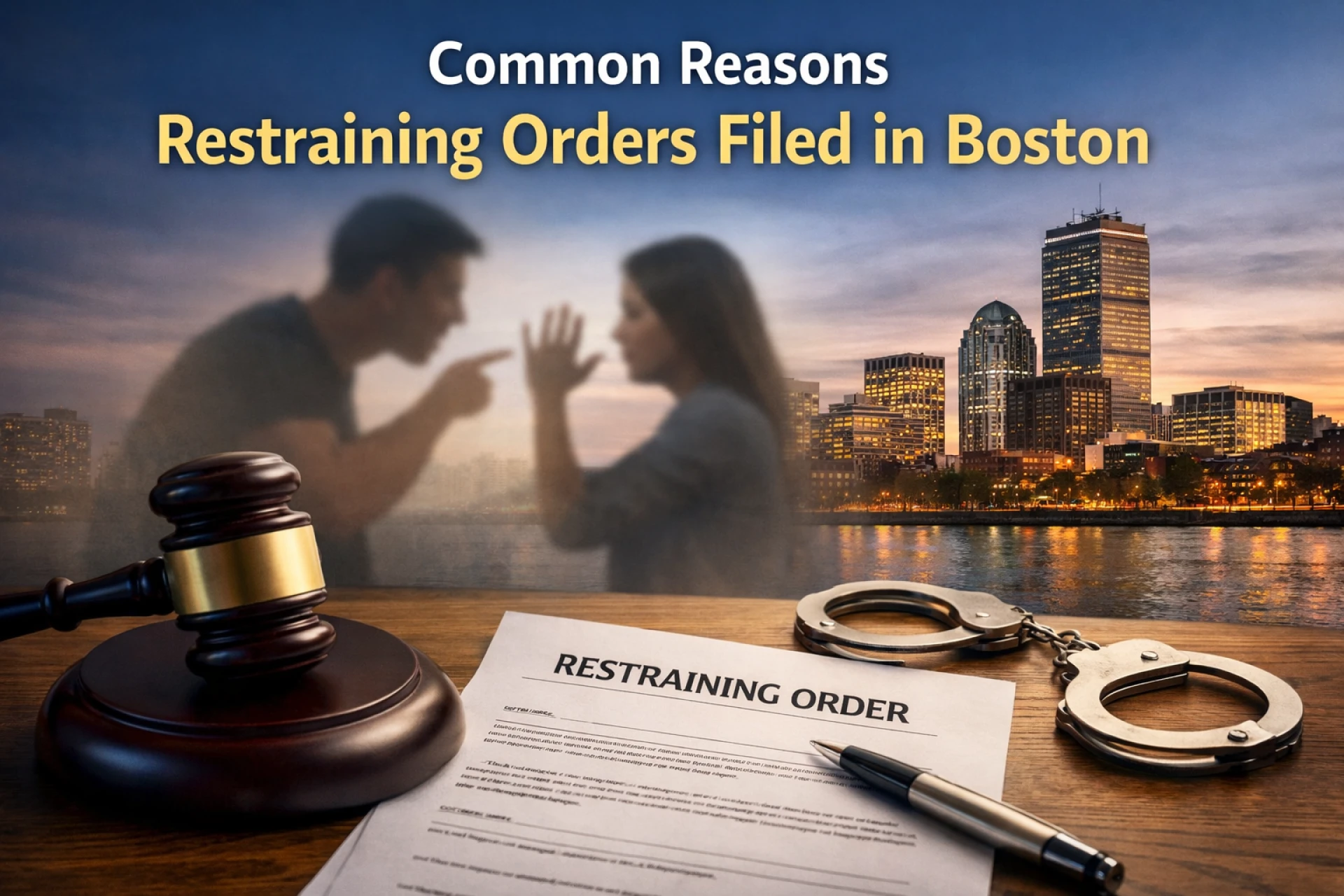

Restraining orders are legal tools designed to protect individuals from harm, harassment, or abuse. In Boston and throughout Massachusetts, courts take these matters seriously, especially when safety concerns are involved. Understanding why restraining orders are commonly filed can help individuals better navigate the legal process and know when it may be necessary to seek guidance from a Boston restraining order lawyer.
Domestic or Family Disputes
One of the most common reasons restraining orders are filed in Boston involves disputes between family or household members. These cases may arise between spouses, former partners, relatives, or people who share a residence. Courts often review allegations of physical harm, threats, or ongoing intimidation when deciding whether to issue an abuse prevention order.
Allegations of Physical Abuse
Claims of physical violence or attempts to cause bodily harm frequently lead to restraining order filings. Even a single alleged incident can be enough for a court to issue a temporary order, especially if the judge believes there is an immediate risk to the petitioner. Medical records, photographs, and witness statements are often used as supporting evidence in these cases.
Threats and Intimidation
Restraining orders are not limited to physical violence. Verbal threats, aggressive behavior, or actions that make someone fear for their safety can also form the basis of a request. Courts in Boston consider whether the behavior creates a reasonable fear of imminent harm, even if no physical contact has occurred.
Harassment and Repeated Contact
Persistent unwanted communication is another common reason restraining orders are filed. This may include excessive phone calls, text messages, emails, or appearing at someone’s home or workplace without consent. In many cases, repeated behavior that causes emotional distress may qualify as harassment under Massachusetts law.
Stalking Behavior
Stalking involves a pattern of behavior that causes someone to feel frightened, threatened, or unsafe. This can include following someone, monitoring their movements, or showing up uninvited at places they frequent. Boston courts carefully evaluate the pattern and frequency of conduct when reviewing stalking-related restraining order requests.
Disputes Involving Former Partners
Many restraining order cases involve former dating partners or ex-spouses. Emotions following a breakup can sometimes escalate into confrontations, accusations, or ongoing conflicts. Courts assess whether the relationship qualifies under the legal definition required for an abuse prevention order and whether the allegations meet the legal standard.
Conflicts Related to Child Custody or Parenting
In some situations, restraining orders are filed during or after child custody disputes. Allegations may involve threats, confrontations during visitation exchanges, or concerns about a child’s safety. Judges often consider how the order could impact custody arrangements while prioritizing protection.
Neighbor or Roommate Disputes
Restraining orders are not limited to family or romantic relationships. Ongoing conflicts between neighbors or roommates may also result in filings, especially when arguments escalate into threats or harassment. In such cases, the court evaluates whether the conduct meets the legal criteria for a protective order.
False or Exaggerated Allegations
While restraining orders are intended to protect individuals, some cases involve exaggerated or false claims, often arising during personal disputes or legal conflicts. These situations can still result in temporary orders being issued until a full hearing takes place. Understanding the legal process is critical for anyone involved in such cases.
Final Thoughts
Restraining orders in Boston are filed for a wide range of reasons, from serious safety concerns to ongoing interpersonal conflicts. Each case is unique, and courts evaluate the facts carefully before making a decision. Whether someone is seeking protection or responding to an order, understanding the most common reasons these cases arise can help individuals prepare for what lies ahead and navigate the legal system more effectively.



























Sign in to leave a comment.