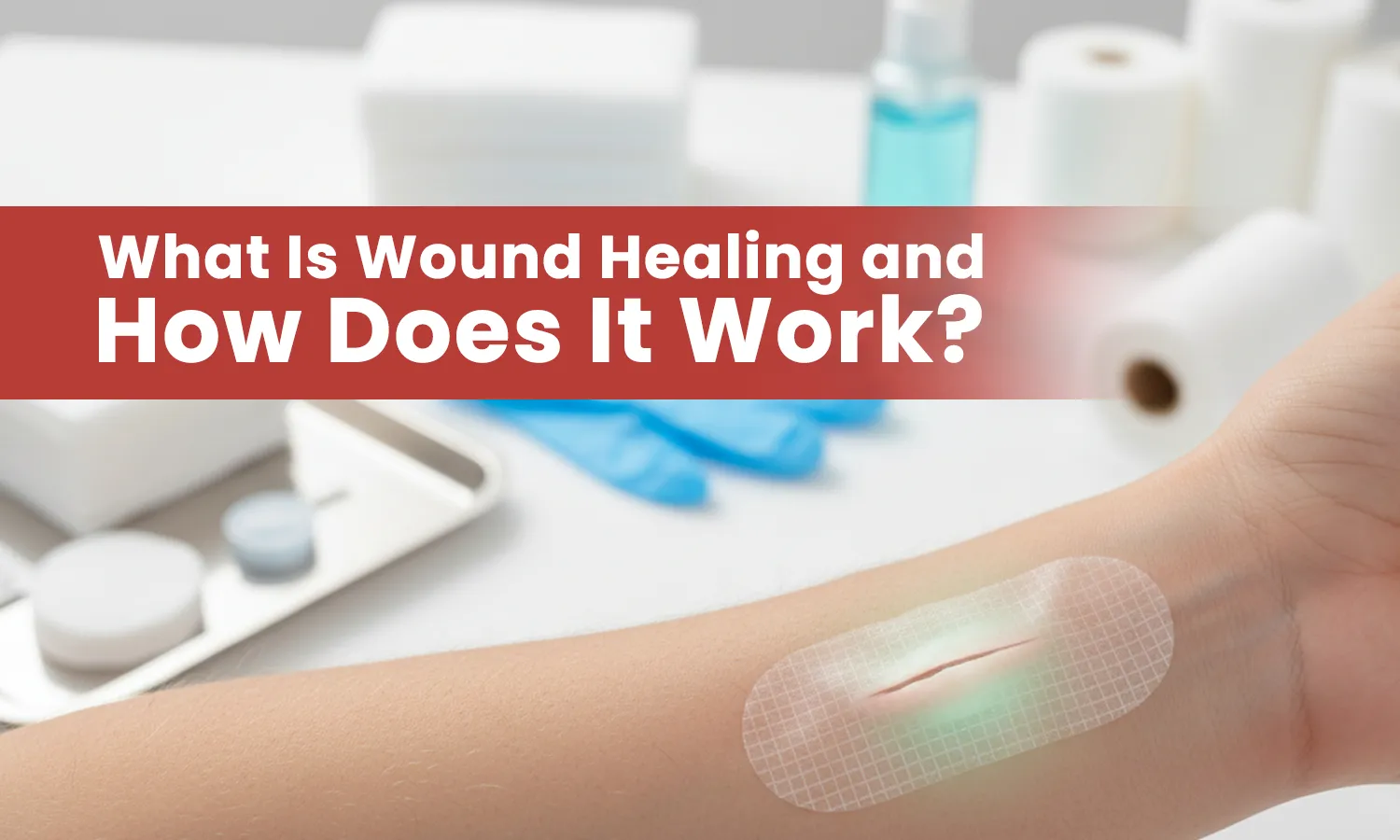

Delayed wound healing can be frustrating and may indicate underlying health concerns. Several factors can interfere with the body's ability to repair damaged tissue effectively. One of the most common reasons is poor blood circulation, which reduces the supply of oxygen and nutrients needed for healing.
Diabetes is another major cause of slow healing. High blood sugar levels can damage blood vessels and nerves, making it difficult for wounds to close properly. Infection is also a significant factor that can delay recovery and increase tissue damage.
Poor nutrition, smoking, dehydration, and inadequate wound care can further slow the healing process. Chronic wounds often require specialized wound treatment and ongoing monitoring to ensure progress. Patients should pay close attention to changes in wound appearance, including increased redness, swelling, or discharge.
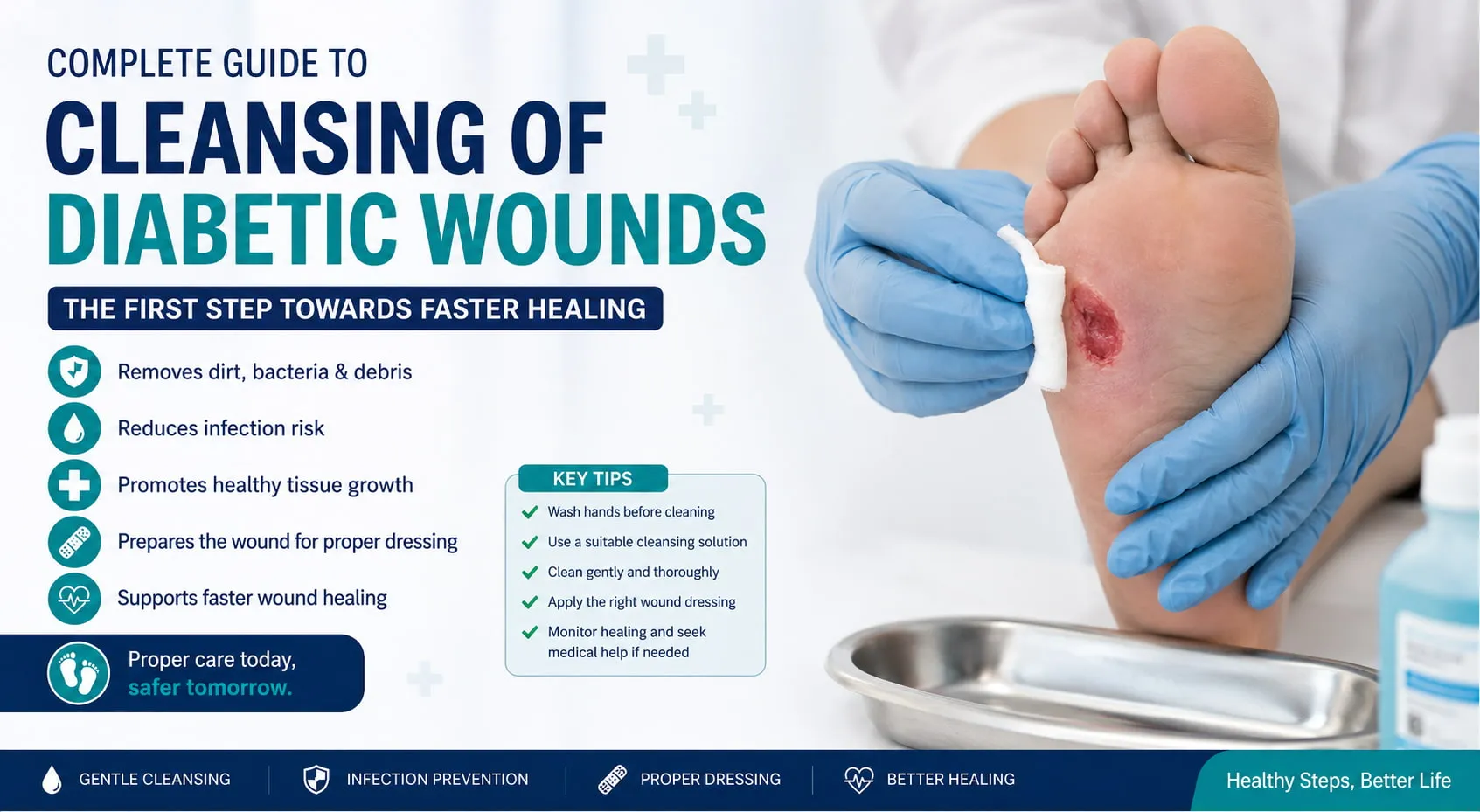
Understanding the causes of delayed healing allows patients and healthcare providers to address underlying issues early. Proper wound dressing, infection control, and lifestyle modifications can help improve healing outcomes and support faster recovery.
























Sign in to leave a comment.