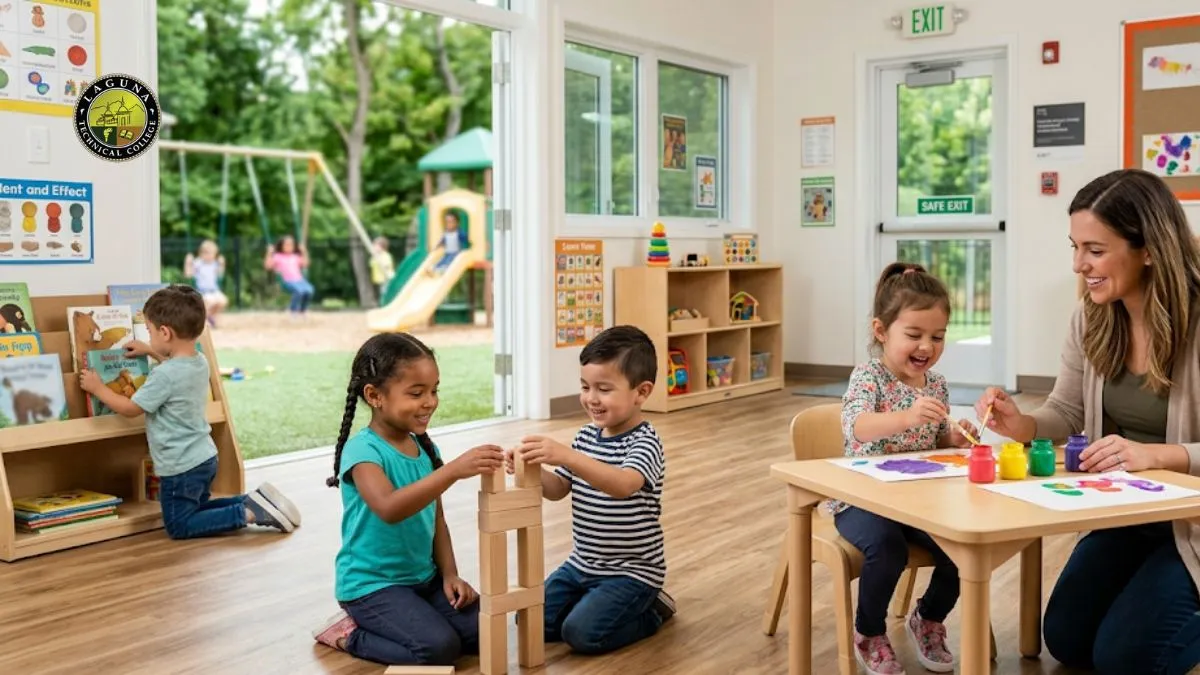

Early childhood is an important stage of life when children develop habits, skills, and behaviors that can influence their future well-being. For teachers, caregivers, and childcare professionals, understanding how to support children's health and safety is an essential part of providing quality care. A child health safety nutrition course can help learners develop practical knowledge about healthy meals, safe environments, emergency planning, and basic health practices for young children.
Why Health and Safety Matter in Childcare
Young children need safe and supportive environments where they can learn, play, and grow. Childcare professionals have an important responsibility to recognize common health concerns, maintain safe spaces, and follow appropriate safety practices.
Simple steps such as proper handwashing, safe food handling, clean play areas, and careful supervision can help reduce everyday health and safety risks. Professionals should also understand how to respond when a child becomes sick or when an unexpected situation occurs.
The Importance of Good Nutrition
Nutrition plays a major role in children's growth and development. Young children need balanced meals and snacks that provide the nutrients and energy they need throughout the day.
Childcare professionals may be involved in planning snacks and meals, making food choices, and creating positive mealtime experiences. Understanding basic nutrition can help caregivers make healthier choices while also considering children's different needs and preferences.
Food safety is equally important. Proper storage, preparation, and handling of food can help create safer mealtimes in childcare settings.
Creating a Safer Childcare Environment
Safety should be part of everyday childcare routines. Professionals need to be aware of potential hazards and take steps to create spaces where children can explore safely.
This can include:
- Keeping walkways and activity areas clear
- Storing cleaning products and other unsafe items properly
- Checking toys and classroom equipment regularly
- Supervising children during activities
- Following appropriate hygiene practices
- Maintaining emergency supplies
- Understanding basic emergency procedures
Consistent safety practices can help create a more secure environment for both children and caregivers.
Preparing for Emergencies
Emergencies can happen without warning, so childcare professionals should be prepared before a situation occurs. An emergency plan can provide clear steps for responding to events such as injuries, severe weather, fires, or other unexpected situations.
A useful emergency plan should consider communication, evacuation procedures, emergency contacts, supplies, and the individual needs of children in care.
Being prepared can help childcare staff respond calmly and efficiently when immediate action is needed.
Understanding California Childcare Requirements
Childcare professionals working in California should understand the health, safety, and nutrition requirements that apply to their work. Knowledge of California childcare standards can help professionals follow appropriate practices and provide better care.
Training can also help learners connect classroom knowledge with real situations they may encounter while working with young children.
Developing Practical Skills for Early Childhood Education
Learning about child health, safety, and nutrition is not only about understanding basic concepts. It is also about knowing how to apply those concepts in everyday childcare situations.
Professionals may need to make decisions about meals, hygiene, supervision, emergency preparation, and safe classroom practices. Practical training can help build confidence when handling these responsibilities.
Supporting Children's Well-Being Every Day
Healthy and safe childcare environments are built through consistent everyday practices. When caregivers understand nutrition, health, safety, and emergency preparation, they can create environments where children feel protected and supported.
For people interested in Early Childhood Education in California, developing these skills can be a valuable part of career preparation. Laguna Technical College offers Early Childhood Education courses designed to provide practical knowledge in areas such as child health, safety, and nutrition. The college's course covers basic health and safety skills, California Title 22 requirements, healthy meal planning, and emergency/disaster planning.
Strong knowledge in these areas can help childcare professionals contribute to healthier, safer, and more supportive environments for young children.
























Sign in to leave a comment.