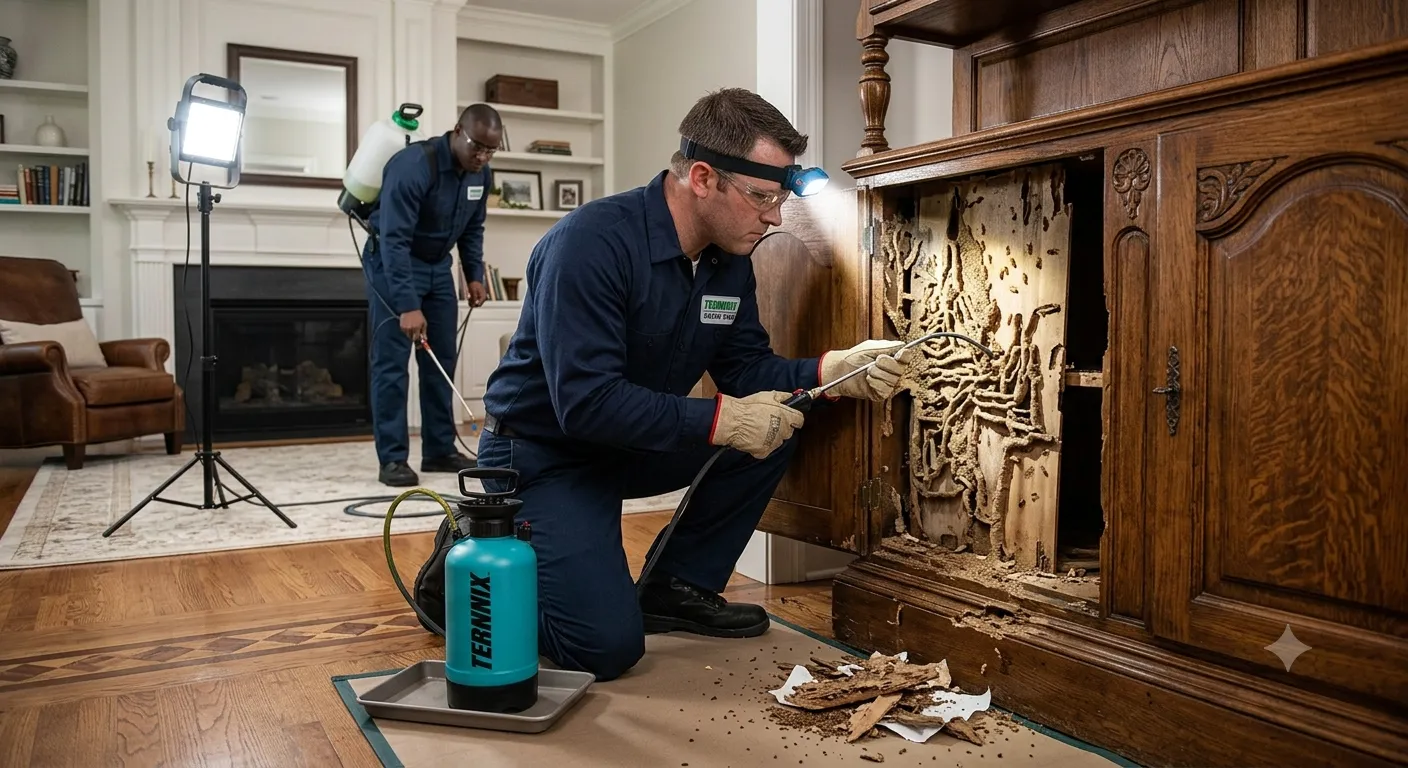

Here's something most apartment owners don't think about until it's too late: termites don't care about property lines. If your neighbor's flat has an active colony, your shared wall is basically an open invitation. Treating your own unit while ignoring the building around it is like locking your front door and leaving the back one wide open.
Why Apartments Are a Different Kind of Termite Risk
A standalone house has clear boundaries — one structure, one owner, one decision-maker. An apartment complex doesn't work that way. Shared walls, common corridors, and connected foundations mean a termite problem in one unit can quietly travel into several others before anyone even notices. And by the time it's noticed, the colony's often already established in more than one place.
- Shared wall exposure
- Connected building foundations
- Multiple unit boundaries
- Common area risks
- Delayed detection likely
This is exactly why reliable Chennai Pest Control for apartment living needs to think beyond individual flats. A single unit treatment might solve your problem for a few months, but if the colony next door is still active, it's really just a matter of time before it's back.
How Termites Move Through Shared-Wall Structures
Termites travel through soil, wall cavities, and gaps in shared plumbing lines. In an apartment, that means a colony established near a ground-floor unit's foundation can work its way up through structural walls, especially in older buildings where waterproofing has started to fail.
- Soil-based colony travel
- Wall cavity movement
- Shared plumbing gaps
- Ground floor origin common
- Upper floors not immune
I've inspected upper-floor flats where residents were baffled by termite activity, convinced it made no sense given how "high up" they were. But termites don't respect floor numbers — they follow moisture and wood, and a shared wall or a plumbing shaft running through multiple floors is basically a highway for them.
What Individual Owners Can Actually Control
You can't force your neighbor to get an inspection, but you can control what happens inside your own unit. Sealing gaps around pipes, fixing leaks quickly, and avoiding direct wood-to-soil contact on balconies or utility areas all reduce your personal risk significantly. It won't guarantee immunity from a building-wide problem, but it does mean your own flat isn't the weak link that lets a colony get started in the first place.
- Seal plumbing gaps promptly
- Fix leaks immediately
- Avoid wood-soil contact
- Monitor balcony wood furniture
- Report shared-wall symptoms early
That last point matters more than people think. If you spot mud tubes or hollow-sounding wood near a shared wall, flagging it to your building association isn't being paranoid — it's often the only way a building-wide problem gets caught before it spreads further.
The JCS Pest Approach for Apartment Buildings
At JCS Pest Control, apartment inspections are handled a little differently than standalone homes. Where possible, common areas and shared walls get assessed alongside individual units, since isolated flat-by-flat treatment misses the bigger picture entirely. Species identification comes first, followed by a written report that flags any shared-risk zones, and a scheduled follow-up confirms the treatment actually held.
- Shared wall assessment included
- Species-specific treatment plan
- Written report with shared-risk zones
- Scheduled follow-up visits
- Coordination with building association
Genuinely reliable Best Termite Control In Chennai for apartment living isn't just about spraying one flat and moving on. It's about understanding that a building is one connected structure, even when it's divided into dozens of individually owned units.
Standalone House vs Apartment Termite Risk
| Factor | Standalone House | Apartment Building |
| Structural connection | Isolated | Shared walls and foundation |
| Risk source | Usually local to property | Can originate in another unit |
| Detection difficulty | Easier to trace | Often hidden behind shared walls |
| Treatment scope | Single property | Ideally building-wide coordination |
| Owner control | Full control | Limited to individual unit |
Trending Right Now: Older Apartment Complexes Showing Increased Activity
A number of Chennai's older apartment complexes, particularly those built more than fifteen years ago with aging waterproofing, are reporting a noticeable rise in termite complaints this monsoon season. Ground-floor and basement-adjacent units are seeing it first, but residents on upper floors are increasingly finding activity too, especially near shared plumbing shafts.
Practical Tips for Apartment Residents
- Raise concerns with association
- Request building-wide inspection option
- Check balcony wood regularly
- Fix leaks without delay
- Avoid ignoring hollow-sounding walls
Honestly, that last tip gets overlooked constantly. A hollow sound when you knock on a wooden frame isn't just an odd quirk of an old building — it's often the earliest sign that something's already eating through the structure behind it.
Single-Line FAQs
Q: Can termites spread between apartment units? Yes, through shared walls, soil, and plumbing gaps.
Q: Does JCS Pest inspect shared common areas too? Yes, where possible, alongside individual unit inspections.
Q: Are upper floors safe from termite activity? No, shared walls and plumbing shafts carry risk upward.
Q: Should apartment associations schedule building-wide inspections? Yes, it catches shared risks individual treatment misses.
Q: What's an early sign of termite activity in walls? Hollow-sounding wood or visible mud tubes nearby.
Bottom Line
Living in an apartment means your termite risk isn't just about your own flat — it's tied to the building as a whole. Reliable Chennai Pest Control for shared-wall structures means thinking beyond individual units and looking at the bigger picture the building actually represents. And when it comes to lasting protection, genuine Best Termite Control In Chennai treats the whole structure with that same understanding. That's the approach JCS Pest Control brings to every apartment complex it works with, and it's honestly the only approach that makes sense once you understand how connected these buildings really are.



























Sign in to leave a comment.