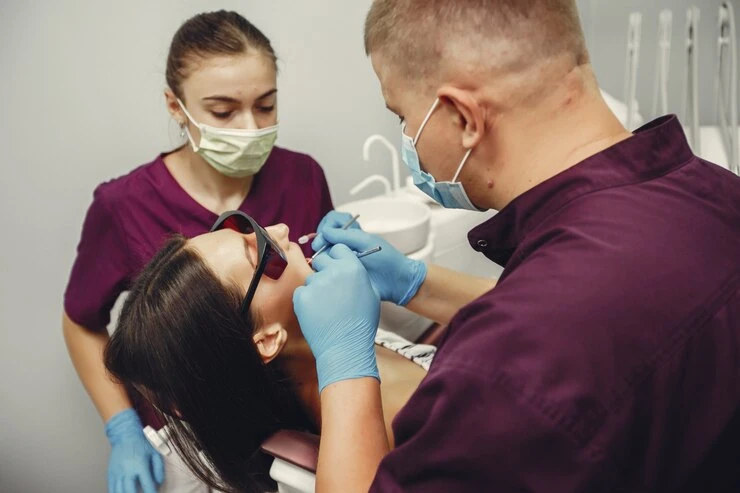

Dental health is an essential aspect of overall wellbeing, but emergencies can strike when least expected. Unlike routine check-ups, dental emergencies often involve sudden pain, visible damage, or rapid changes in oral health that require urgent attention. For many people in Cardiff, having access to a Cardiff emergency dentist provides reassurance when unforeseen problems arise. Knowing when to seek urgent care and what situations fall under dental emergencies can make a significant difference in preserving oral health and avoiding long-term complications.
Understanding Dental Emergencies
A dental emergency is any situation involving the teeth, gums, or mouth that requires immediate intervention to relieve pain, stop bleeding, prevent infection, or save a tooth. Unlike minor concerns such as a small cavity or routine cleaning, emergencies demand swift action. The sooner professional care is sought, the higher the likelihood of successful treatment.
Many people delay addressing dental issues, often mistaking severe symptoms for temporary discomfort. Unfortunately, postponing treatment can escalate the problem, leading to more invasive procedures later. Recognising the most common scenarios that call for emergency care ensures timely intervention and helps protect oral and overall health.
Severe Toothache
Toothache is one of the most frequent reasons people seek out a Cardiff emergency dentist. While mild discomfort can sometimes be managed with over-the-counter remedies, sudden or severe pain should never be ignored. A toothache may be caused by decay, an abscess, a cracked tooth, or gum disease.
Intense pain is often a signal of infection or nerve involvement. Without prompt attention, the infection can spread to surrounding tissues and even to other parts of the body. Emergency treatment may involve pain relief, antibiotics, or immediate intervention to address the underlying issue.
Knocked-Out Tooth
A knocked-out tooth is a clear dental emergency where time plays a critical role. Whether caused by sports, accidents, or unexpected falls, immediate action is vital. If the tooth is handled carefully and kept moist, it may sometimes be re-implanted successfully by a dentist.
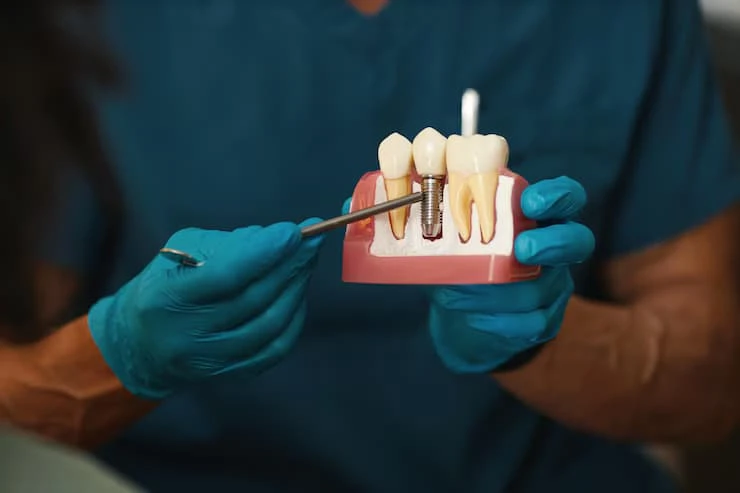
Seeking care from a Cardiff emergency dentist within the first hour provides the best chance of saving the tooth. Attempting to delay or relying on home remedies often results in the permanent loss of the tooth, requiring restorative procedures such as implants or bridges later.
Broken or Chipped Teeth
Teeth can break or chip for a variety of reasons, including biting down on something hard, trauma, or underlying weakness due to decay. A small chip might not always cause pain, but a larger break can expose the inner layers of the tooth, leading to sensitivity, sharp edges, or significant discomfort.
Emergency dental care is essential to prevent further damage or infection. A dentist may use bonding, crowns, or veneers depending on the severity of the fracture. Addressing the problem quickly also improves the aesthetic outcome, particularly if a front tooth is affected.
Dental Abscess
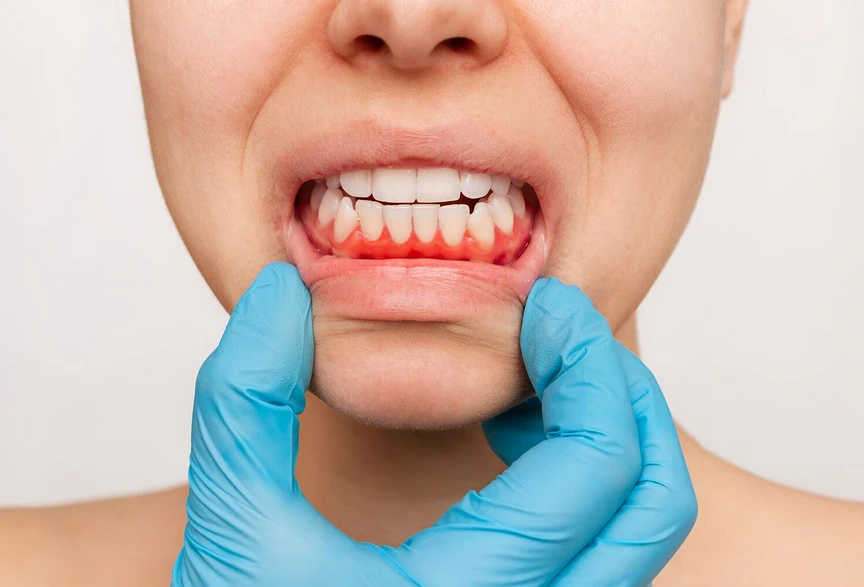
A dental abscess is an infection that forms around the tooth root or in the gums, often presenting as a painful, swollen lump. Other symptoms include throbbing pain, fever, swelling in the face or jaw, and a bad taste in the mouth due to pus.
This condition is not only painful but also potentially dangerous if the infection spreads to other parts of the body. A Cardiff emergency dentist can provide immediate relief by draining the abscess and prescribing medication to control the infection. In many cases, further treatment such as root canal therapy may be required to fully resolve the issue.
Lost or Damaged Fillings and Crowns
Fillings and crowns play a key role in protecting teeth that have been weakened by decay or previous treatment. When these restorations become loose or fall out, the tooth underneath is left vulnerable. Exposed nerves may cause sensitivity, and the weakened structure increases the risk of breakage.
While not always accompanied by severe pain, this situation still requires urgent attention to prevent further complications. A dentist can replace or repair the restoration, safeguarding the tooth from additional harm.
Gum Injuries and Bleeding
Injuries to the gums, tongue, or cheeks can result from accidents, falls, or biting down too hard. While minor cuts may heal on their own, persistent or heavy bleeding indicates the need for urgent care.
Uncontrolled bleeding may be linked to deeper trauma or underlying health issues. Seeking help from a Cardiff emergency dentist ensures proper cleaning, treatment, and monitoring of the injury. Quick action can prevent infection and encourage faster healing.
Orthodontic Emergencies
For individuals undergoing orthodontic treatment, emergencies can arise when brackets break, wires snap, or components cause injury inside the mouth. These issues not only cause discomfort but can also interfere with the progress of treatment.
An emergency dentist can adjust or repair orthodontic appliances to relieve pain and restore proper alignment. Even if the situation does not appear life-threatening, professional intervention ensures that treatment stays on track.
Wisdom Tooth Problems
Wisdom teeth often cause issues when they erupt incorrectly or become impacted. This can lead to swelling, pain, difficulty opening the mouth, or infection in the surrounding gum tissue.
Emergency care may be necessary to manage pain and prevent the condition from worsening. In some cases, temporary relief is provided before arranging for extraction or further treatment. Consulting a Cardiff emergency dentist quickly helps in assessing whether immediate intervention is required.
Swelling of the Face or Jaw
Facial swelling associated with dental problems should never be ignored. It can be a sign of an abscess, infection, or trauma. Swelling often indicates that the problem has spread beyond the tooth itself and requires urgent medical attention.
Ignoring swelling may allow the infection to progress, posing risks to overall health. Prompt treatment can reduce discomfort and prevent more severe complications.
When to Seek Emergency Dental Help
Recognising the signs of a dental emergency is only part of the equation; knowing when to act is equally important. Some indicators that warrant immediate attention include:
- Intense or persistent pain that does not respond to pain relief methods
- Uncontrolled bleeding from the mouth or gums
- A tooth that has been knocked out or severely damaged
- Visible swelling in the face, jaw, or gums
- Signs of infection, such as fever, pus, or spreading pain
In such cases, delaying treatment can worsen the problem. Immediate contact with a Cardiff emergency dentist ensures timely care and increases the likelihood of saving teeth or preventing long-term damage.
The Importance of Acting Quickly
Dental emergencies can be distressing, but staying calm and acting quickly is essential. Keeping basic knowledge about what to do in common situations can make a huge difference. For example, preserving a knocked-out tooth in milk or carefully rinsing the mouth after injury may improve the outcome before reaching the dentist.
Seeking professional help promptly not only relieves discomfort but also prevents further deterioration of oral health. Emergency dentists in Cardiff are trained to handle urgent scenarios with efficiency, ensuring that patients receive immediate relief and a clear plan for follow-up care.





























Sign in to leave a comment.