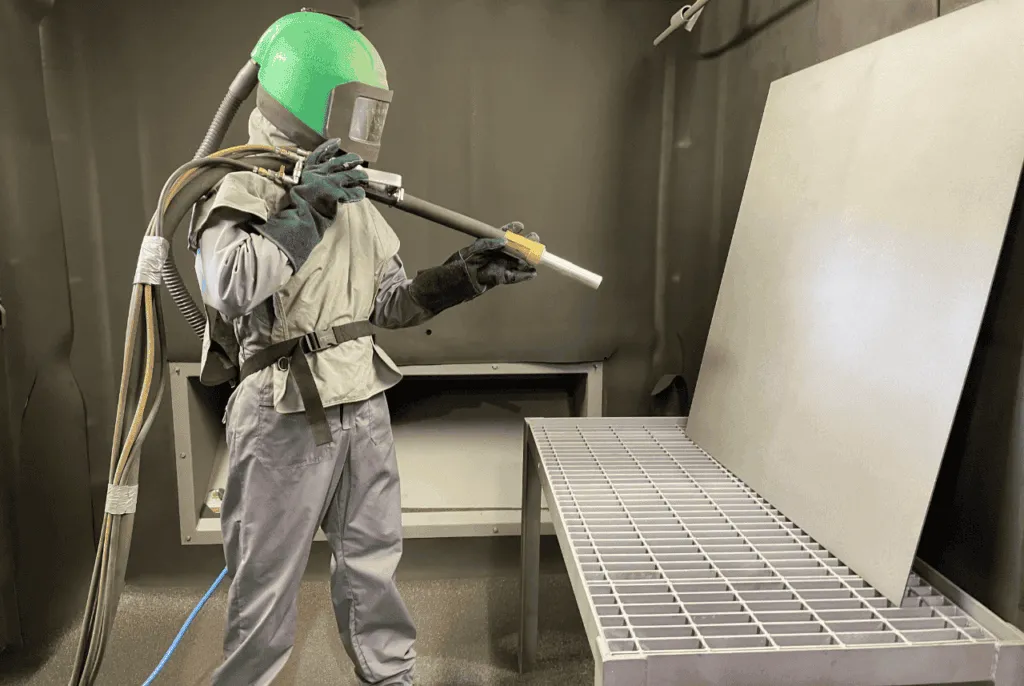


Most property owners focus on the final coat — the fresh paint, the protective sealant, the polished look. But here's the truth every professional contractor knows: the surface underneath determines everything.
Without proper preparation, even the most expensive coatings will peel, crack, or fail within months. That's why abrasive blasting has become one of the most trusted surface preparation methods across residential, commercial, and industrial sectors. If you're in Southern California and dealing with rust, old paint, corrosion, or years of built-up grime, connecting with a trusted provider of Sand Blasting Services in Anaheim, CA is the most effective first step before any restoration or refinishing project.
Anaheim's climate — warm, dry summers combined with occasional coastal humidity — accelerates surface degradation on metal, concrete, and wood structures alike. This makes professional abrasive blasting not a luxury, but a practical maintenance necessity for property owners throughout Orange County.
This article covers the most common surfaces that require professional sandblasting, why each one presents unique challenges, and what to expect from a qualified blasting contractor.
What Is Professional Sandblasting and How Does It Work?
Sandblasting — technically called abrasive blasting — is a process of propelling abrasive media at high velocity against a surface to remove contaminants, coatings, rust, or unwanted buildup.
The sandblasting process can be used on a variety of materials, including metals, glass, stone, and concrete. In many cases, sandblasting is the only way to effectively remove stubborn contaminants from a surface.
The abrasive media used varies based on the material being treated:
- Steel grit or glass beads — for hard metal surfaces
- Walnut shells or corn cob — for delicate wood or soft surfaces
- Crushed glass or garnet — for concrete and masonry
Soda (sodium bicarbonate) — for sensitive restoration projects
Depending on the surface being treated, a number of abrasive media can be employed for different finishes. Lighter materials such as wood require less powerful abrasives such as crushed walnut shells, while more solid surfaces such as metal demand more elastic materials such as steel grit or glass beads.
A professional team adjusts pressure, media type, and technique for every job — something a DIY approach simply cannot replicate safely or effectively.
Metal Surfaces: The Most Common Application for Sandblasting
Steel Structures, Fences, and Gates
Metal is the single most common material sent through an abrasive blasting process — and for good reason.
Steel fences, gates, railings, and structural beams are constantly exposed to the elements. Over time, oxidation sets in, producing rust that eats through the metal from the inside out. Standard wire brushing or chemical treatments only address surface rust; they leave behind microscopic corrosion that causes new coatings to fail quickly.
Even the highest-quality coating will eventually fail if applied over rust, old paint, or contaminants. Professional sandblasting strips metal down to bare, clean substrate — creating the ideal anchor profile for primers and protective coatings.
Industrial Equipment and Machinery
Heavy equipment, storage tanks, and industrial machinery accumulate grease, scale, and corrosion layers that are nearly impossible to remove manually.
Removing rust from the inner walls of a tank demands special equipment and a well-trained crew. Cleaning big surfaces and preparing them for fresh painting requires expertise.
In Anaheim's manufacturing and industrial corridors, professional blasting crews are regularly called to prepare equipment surfaces before repainting, re-coating, or structural inspection.
Automotive Surfaces: Vehicles, Frames, and Trailers
In the automotive industry, sandblasting is used for stripping paint, removing rust, and preparing surfaces for refinishing or repainting vehicles, including cars, trucks, and trailers.
Classic car restorations are one of the most popular residential applications. Vehicle frames, body panels, and undercarriages often hide layers of old paint, filler, and rust that chemical strippers can't fully reach. Abrasive blasting exposes every imperfection cleanly — giving body technicians a perfectly prepped canvas to work from.
Concrete Surfaces: Driveways, Floors, and Patios
Residential Driveways and Walkways
Concrete driveways and walkways in Anaheim accumulate oil stains, tire marks, efflorescence, and weathering damage over the years. Pressure washing alone often fails to remove deep-set contamination or prepare the surface properly for sealers.
Our techniques can help you remove a wide range of imperfections on wood, stucco, concrete, and many others. We can also help you extend the lifespan of flatwork and other surfaces.
Sandblasting concrete opens the pores of the material, removes surface laitance (the weak top layer), and creates a texture that bonds with sealers and coatings far more effectively than untreated concrete.
Commercial and Industrial Concrete Floors
Warehouse floors, parking structures, and commercial facility floors take on heavy wear. Coatings applied to poorly prepared concrete surfaces delaminate quickly under foot traffic and forklift loads.
Silicon carbide is effective for cleaning and etching concrete surfaces, preparing them for coatings or repairs, while garnet provides gentle surface preparation for concrete, minimizing damage.
Professional blasting contractors select the right abrasive media for each concrete application — ensuring the right surface profile without over-cutting or weakening the slab.
Graffiti Removal from Concrete Walls
Graffiti is a real and persistent issue on commercial and public-facing concrete surfaces in urban areas like Anaheim.
Soda blasting is particularly effective for architectural cleaning tasks such as graffiti removal, paint stripping, and cleaning and deodorizing.
Soda blasting is often the preferred method here — it removes spray paint without damaging the underlying concrete texture, which is especially important on decorative or stamped surfaces.
Wood Surfaces: Decks, Fences, Siding, and Beams
Residential Decks and Patios
Wooden decks absorb moisture, develop mildew, and collect layers of old stain or paint over the years. Sanding by hand is time-consuming and inconsistent; chemical strippers introduce hazardous waste concerns.
If your deck, siding, or log home has lost its glow, sandblasting services may be the perfect solution to bring back that natural wood look. It's faster than grinding, safer than harsh chemicals, and far more effective than standard pressure washing.
Low-pressure blasting with soft media like walnut shells cleans wood fiber without raising grain or causing surface damage — leaving a smooth, stain-ready finish.
Wood Fences and Exterior Siding
Anaheim homeowners with wood-panel fencing or lap siding often deal with peeling paint, weathering, and UV damage. Repainting directly over compromised surfaces leads to premature failure.
Blasting removes all old paint, sealant, and surface contamination in one pass — cutting preparation time significantly compared to manual stripping methods.
Exposed Beams and Structural Timber
In commercial spaces, restaurants, and industrial buildings, exposed wooden ceiling beams are often refinished as part of renovation projects.
Wood sandblasting is used in commercial environments such as restaurants and retail exteriors, as well as in industrial environments for machinery, steel beams, and aluminum surfaces.
Careful low-pressure blasting with the right media preserves the beam's structural integrity while removing years of accumulated coatings or grime.
Brick and Masonry Surfaces
Building Facades and Exterior Walls
Brick and stone building facades in older Anaheim commercial districts accumulate decades of pollution, paint overspray, biological growth (mold, algae, lichen), and atmospheric staining.
Abrasive blasting is an excellent way to restore buildings and reveal architectural beauty hidden behind years of environmental wear.
Professionals use carefully calibrated low-pressure blasting to clean masonry without eroding mortar joints or scarring brick faces — a balance that requires significant hands-on experience.
Historic and Decorative Masonry
For historic structures, preservation standards often prohibit aggressive chemical treatments. Controlled abrasive blasting — particularly with softer media like soda or fine garnet — is frequently approved for use on registered historic properties.
Vapor abrasive blasting offers low-dust, low-abrasion cleaning suitable for delicate substrates and historic masonry, delivering a cushioned media flow that is less damaging and making it an eco-friendly option for sensitive restoration.
Stucco Surfaces
Stucco is one of the most prevalent exterior finishes throughout Southern California — and Anaheim properties are no exception.
Over time, stucco accumulates old paint layers, efflorescence, biological growth, and hairline cracks that need to be exposed before repairs can be made. Attempting to apply new stucco or paint over an unprepared surface leads to adhesion failure and bubbling.
Sandblasting, also known as abrasive blasting, is a method of removing paint, stains, rust, and stucco to meet your needs. Technicians work on projects when a surface has to be prepared for a coating application or for removing paint, rust, scale, stain, and other elements.
Fast, clean surface prep for stucco, wood, concrete, steel, and more is achievable through dustless blasting methods that prevent contaminants from escaping in dust plumes.
Professional blasting contractors assess stucco thickness and composition before blasting to avoid cutting through to the underlying lath or substrate.
Marine and Pool Surfaces
Pool Interiors and Waterline Tiles
Swimming pools develop calcium deposits, mineral scale, and staining along the waterline and across plaster surfaces. These buildups are notoriously difficult to remove with standard acid washing or scrubbing.
Abrasive blasting removes scale and old plaster efficiently — and is used to prepare pool surfaces for re-plastering, fiberglass coating, or tile regrouting.
Boat Hulls and Marine Equipment
Commercial sandblasting is essential in marine and shipbuilding industries for cleaning ship hulls, removing marine growth, and preparing surfaces for anti-corrosion coatings and marine paints.
While large-scale shipyard work happens at ports, smaller vessel owners — including those with recreational boats docked at marinas near Anaheim — regularly use mobile sandblasting services for hull preparation and rust removal.
Why DIY Sandblasting Falls Short
It's worth addressing why professional service is the practical choice over renting equipment and attempting abrasive blasting independently.
While sand blasting may appear straightforward, it requires extensive knowledge and experience to achieve optimal results. Different surfaces require different blasting media, pressure levels, and techniques. Improper handling can damage delicate materials or create uneven finishes.
Key reasons to hire professionals:
- Equipment quality — Industrial-grade blasting machines deliver consistent pressure and media flow that rental units cannot match
- Media selection expertise — Using the wrong abrasive can permanently damage surfaces, especially wood, historic masonry, or thin metals
- Safety compliance — Silica dust exposure is a regulated occupational hazard; professionals use appropriate containment and respiratory protection
- Waste management — Spent abrasive media and removed coatings (especially those containing lead paint) require proper disposal under California environmental regulations
- Speed and efficiency — Sandblasting is a highly efficient process that can significantly speed up the surface preparation or restoration process. Its ability to remove multiple layers of paint or corrosion in a single application can save both time and effort.
Choosing a Professional Sandblasting Contractor in Anaheim, CA
When evaluating contractors, look for these qualifications:
- Licensed and insured in California
- Experience with the specific surface material you need treated
- Familiarity with local environmental regulations for abrasive and waste disposal
- Mobile blasting capabilities (important for large or fixed structures)
- Transparent project quoting with clear media and technique specifications
Businesses and homeowners often hire expert sand blasting specialists before beginning any restoration or refinishing project, as professionals use industrial-grade equipment capable of completing projects significantly faster while delivering long-lasting results that reduce maintenance costs in the future.
Ask prospective contractors about their approach to your specific surface type — a knowledgeable professional will immediately speak to media selection, pressure settings, and expected surface profile outcomes.
Final Thoughts
Whether you're restoring a rusted steel gate, prepping a concrete driveway for sealing, stripping decades of paint from a stucco facade, or refinishing a wooden deck, professional sandblasting is the foundation of a durable, long-lasting result.
Sandblasting can be used on various surfaces including metal, concrete, wood, and stone, making it suitable for applications across different industries. By eliminating the need for chemical cleaners and reducing labor requirements, sandblasting offers cost-effective surface preparation solutions that extend the lifespan of structures and reduce long-term maintenance expenses.
For Anaheim property owners — residential, commercial, or industrial — investing in professional abrasive blasting before any coating or restoration project is the single best way to protect that investment for years to come.






























Sign in to leave a comment.