The demand for renewable energy has never been higher, and with that, the need for accessible, sustainable energy solutions is growing across the globe. In response to this, one of the most promising developments in the renewable energy sector is community solar. This innovative concept offers an affordable, efficient, and inclusive way for individuals, businesses, and even entire communities to embrace solar energy without the need to install expensive solar panels on their properties. A shining example of this forward-thinking approach can be found in companies like Matrix Solar, which provide community solar programs that allow customers to participate in solar energy generation without needing to install a single panel.
What is Community Solar?
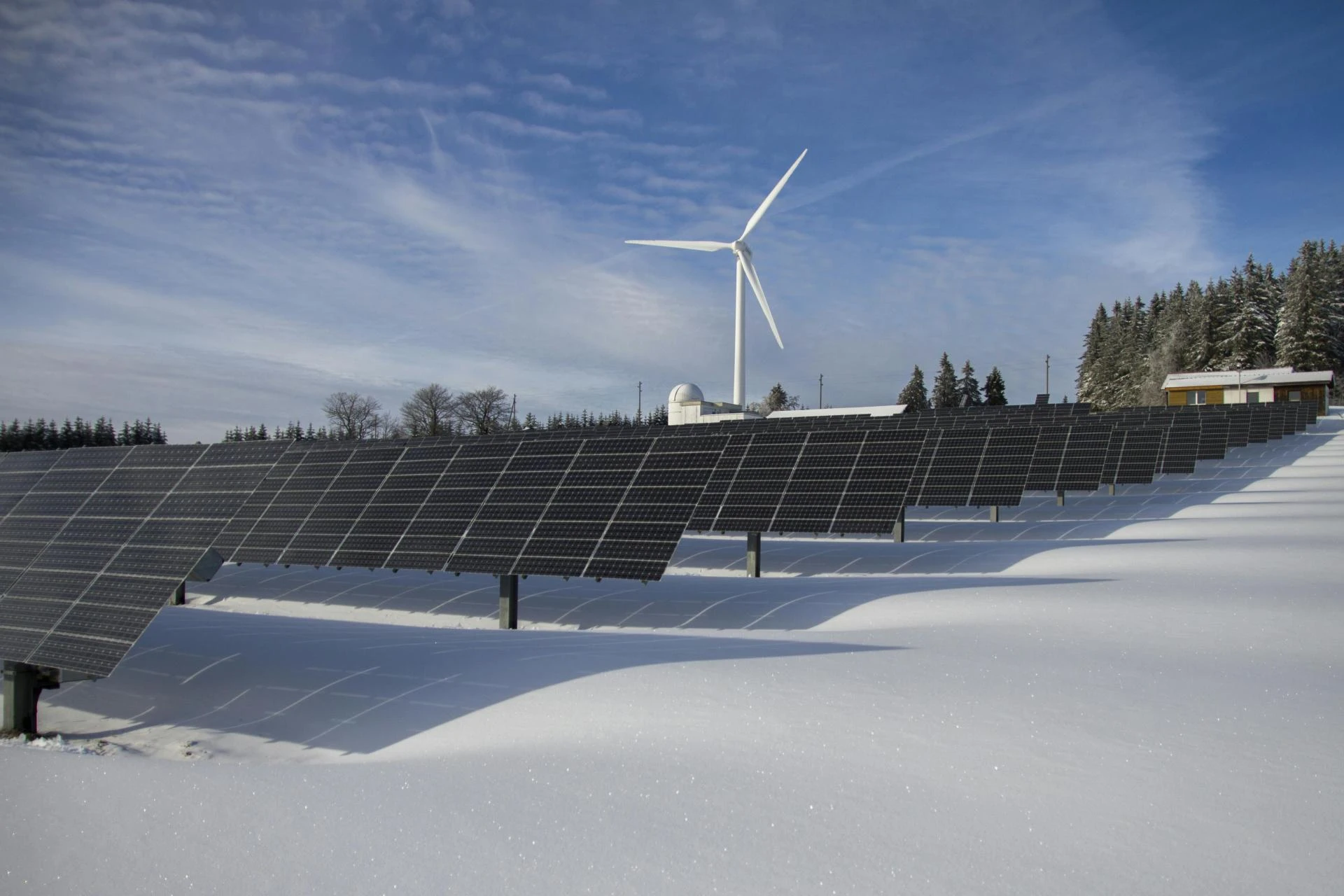
Community solar is a shared solar power program that allows multiple households, businesses, or organizations to benefit from the energy produced by a central solar array. Unlike traditional solar installations where homeowners or businesses install solar panels directly on their roofs, community solar allows subscribers to purchase or lease a share of the solar farm. The energy generated is then distributed to the subscribers through the power grid, and they receive credits on their utility bills corresponding to the amount of solar energy they contributed to.
Community solar projects offer a viable solution for those who might not have the ability to install solar panels due to various constraints, such as unsuitable roof space, lack of homeownership, or financial limitations. Instead of taking on the high upfront cost of a private solar array, subscribers can tap into the benefits of solar power with lower costs, no maintenance, and a shared investment in renewable energy.
How Does Community Solar Work?
The mechanism behind community solar is relatively simple. The solar farm is typically located in a centralized, accessible location, often in rural or underutilized areas. A developer like Matrix Solar will build, operate, and maintain the solar panels on behalf of subscribers. Each participant in the community solar program has a financial interest in the system, meaning they have the potential to receive credits for the electricity produced by the array.
When the solar farm generates electricity, it is fed into the local power grid. The utility company then credits the solar farm subscribers for their share of the energy produced, reducing their electricity bills. The amount of the credit depends on the share of the farm they own and the amount of solar power generated during a given billing cycle.
This model is not only cost-effective, but it also increases the reliability of the solar grid. By centralizing solar installations and allowing a wide variety of participants to benefit, community solar helps balance energy production and consumption while reducing reliance on nonrenewable sources.
The Benefits of Community Solar
- Accessibility: Community solar programs are designed to overcome the barriers that many people face when trying to access solar power. Renters, low-income families, and those who live in multi-unit housing, such as apartments or condos, often cannot benefit from traditional rooftop solar programs. With community solar, anyone can participate in a program and benefit from cleaner energy without needing to own property or make a significant upfront investment.
- Cost-Effectiveness: One of the key attractions of community solar is that it allows subscribers to avoid the hefty installation costs associated with personal solar panels. Typically, participants can subscribe to a share of the solar farm at no upfront cost. Instead, they make low, fixed monthly payments and, in return, see a reduction in their energy bills. Over time, this leads to significant savings compared to traditional utility costs.
- Environental Impact: By using solar power, which is renewable and produces no greenhouse gases or air pollutants, participants contribute to a cleaner environment. Solar energy significantly reduces carbon emissions, helping communities meet climate goals and decrease reliance on fossil fuels.
- Energy Independence: Community solar enhances energy security for participants. As more people move away from fossil fuels and adopt renewable sources, the overall energy grid becomes more resilient and less reliant on unstable global markets for oil and gas. Solar energy can be locally produced and is a sustainable source of power that doesn’t suffer from the volatility of traditional energy sources.
- Job Creation: The expansion of solar farms creates employment opportunities in a variety of sectors, from the construction and installation of solar panels to ongoing maintenance and operations. This, in turn, helps stimulate the local economy by creating skilled jobs and promoting clean energy industries.
The Role of Matrix Solar in Community Solar Development
Matrix Solar is at the forefront of transforming the solar energy landscape through community solar programs. The company’s approach focuses on developing large-scale solar farms that provide a shared benefit to both residential and commercial customers. By making solar energy more accessible to a broader audience, Matrix Solar is helping to bridge the gap between those who want to take part in the solar revolution and those who, due to financial or technical constraints, might otherwise miss out.
Matrix Solar’s community solar model is designed with flexibility and transparency in mind. Customers can easily sign up, receive a clear understanding of their energy savings, and enjoy the peace of mind that comes with being part of a clean energy solution. Their programs are also scalable, meaning businesses, non-profits, and municipalities can participate in a way that suits their specific energy needs.
Furthermore, Matrix Solar is committed to ensuring that the benefits of solar power are equitably distributed. The company actively seeks to engage low-income communities, offering tailored programs that make it easier for everyone to take part in the transition to renewable energy. This is particularly important as environmental justice issues become more central to the conversation around climate change and energy access.
The Future of Community Solar
As the global demand for clean energy grows, so too does the opportunity for community solar to play a pivotal role in energy transition. According to the National Renewable Energy Laboratory (NREL), the U.S. alone has the potential to expand community solar capacity by over 20 gigawatts in the coming decade—enough to power millions of homes. As technology advances, the cost of solar energy continues to decrease, making it an even more attractive option for communities seeking affordable, clean energy solutions.
Moreover, as more states and local governments push for renewable energy targets and sustainable infrastructure, community solar will likely continue to see widespread adoption. With companies like Matrix Solar leading the way, it’s clear that the future of energy is not just about individual solutions, but collective, community-driven efforts that benefit everyone.
Conclusion
Community solar represents an essential step forward in the transition to sustainable energy. It democratizes access to solar power, lowers energy costs, reduces carbon footprints, and supports local economies. With the backing of innovative companies like Matrix Solar, this shared model is helping pave the way for a cleaner, more equitable energy future. By allowing individuals and communities to share in the benefits of solar power, we can work together to create a more sustainable, resilient world for future generations.





























Sign in to leave a comment.