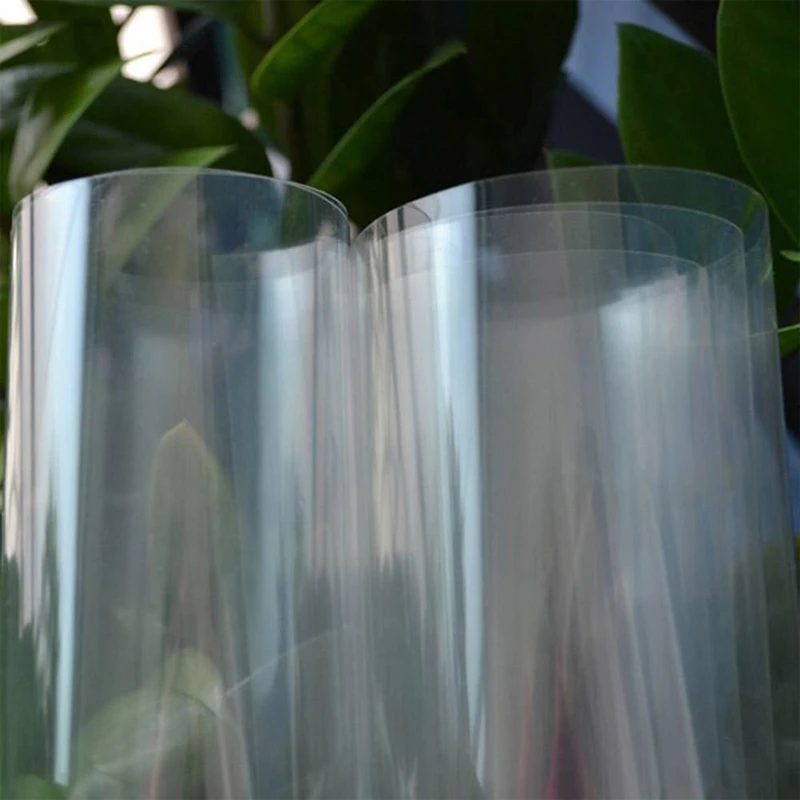

Clear and colored TPU PPF (Paint Protection Film) offer the same high level of paint protection, but differ in their aesthetic goal, cost, and impact on a vehicle's resale value. Comparison Table
Feature Clear TPU PPF
Colored TPU PPFPrimary PurposeInvisible protection to preserve original paintProtection plus a full, custom color change/enhancementAesthetic ResultMaintains factory look and gloss; nearly invisibleTransforms the car's color (gloss, matte, metallic, etc.)Protection LevelExcellent (same core TPU as colored)Excellent (same core TPU as clear)Self-HealingYes, minor scratches disappear with heatYes, minor scratches disappear with heatUV ResistanceHigh; prevents original paint from fading/yellowingHigh; prevents fading of both the film's color and the underlying paintCostGenerally lower costMore expensive due to added pigment and complexityResale Value ImpactGenerally positive, as it preserves the original factory finishVaries; depends on buyer preference for the specific color
Key Decision Factors
- Aesthetics and Customization: The primary differentiator is appearance. If you love your vehicle's factory color and want to maintain it, clear PPF is the ideal, subtle choice. If you want to make a statement or temporarily change the car's color without a permanent repaint, colored PPF offers extensive options.
- Cost vs. Value: While colored PPF has a higher upfront cost, it is often more cost-effective than getting a professional paint job plus a clear PPF application.
- Installation: Both require professional installation for a flawless finish, but colored PPF is less forgiving of small errors (like trapped dust or misalignment) because imperfections are more visible against the solid color.
- Maintenance: Both are durable and long-lasting (up to 10 years for premium films). High-quality colored PPF includes UV inhibitors to prevent its color from fading, requiring standard maintenance similar to clear Car film.






















Sign in to leave a comment.