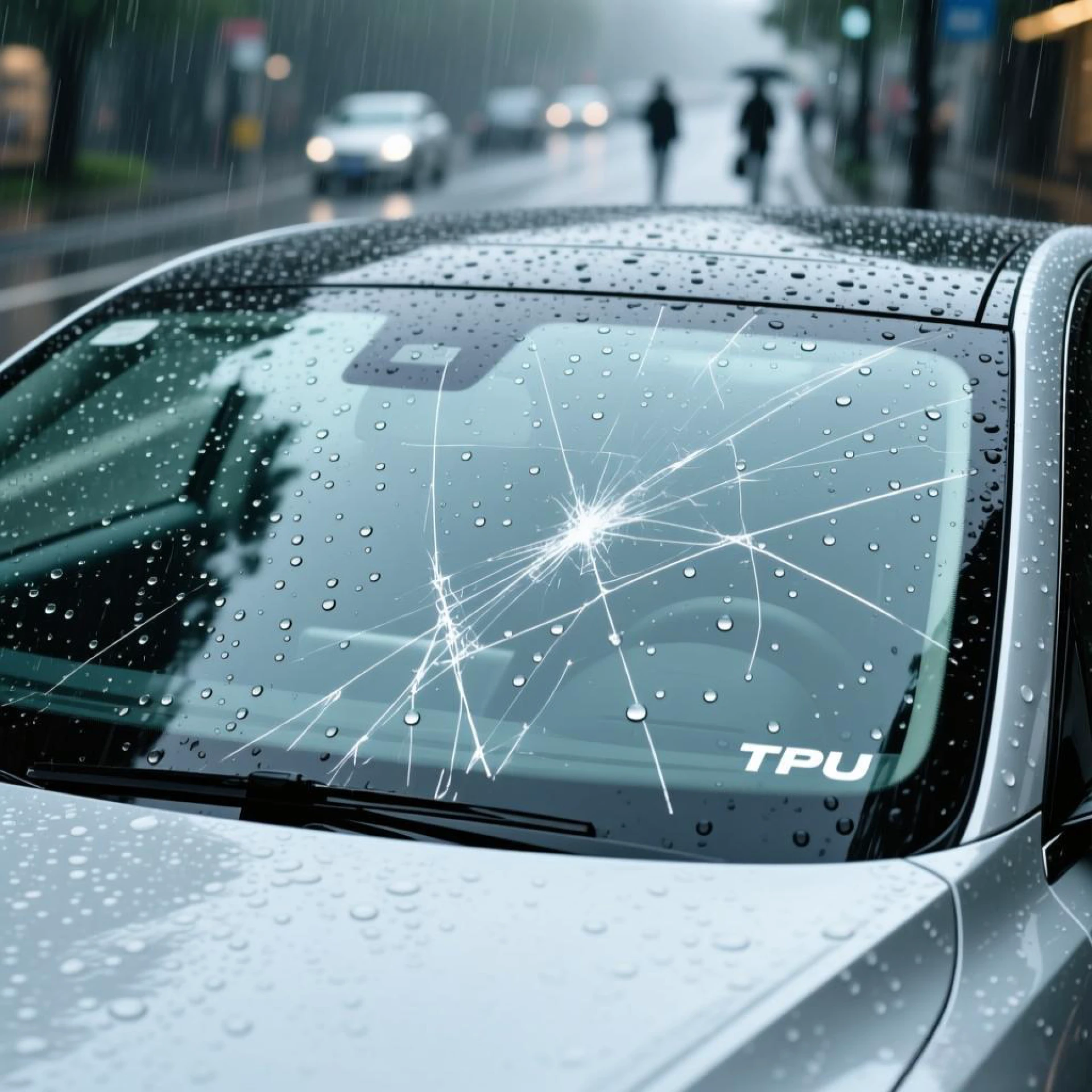

Definition and UsesCar window tinting involves applying a thin film to vehicle glass to enhance privacy, reduce heat, and block harmful UV rays. Modern tints are engineered to reject up to 99% of UV radiation, protecting passengers from skin damage and preserving interior materials from fading. Beyond health benefits, tints improve driving comfort by minimizing glare and maintaining cooler cabin temperatures, especially in sunny climates. Legal regulations vary by region, so checking local laws (e.g., Minnesota's tint darkness limits) ensures compliance while reaping these advantages.Types of Car Window Tint
- Dyed Film: Affordable and non-reflective, it uses layered dye to absorb sunlight but may fade over time.
- Metalized Film: Contains microscopic metal particles for durability and heat reflection but can interfere with GPS signals.
- Ceramic Film: Premium-grade nanotechnology offers superior heat rejection (up to 50% IR blocking) without signal disruption.
- Smart TPU PPF Film: Electrically adjustable tints switch between clear and opaque states via smartphone control, ideal for luxury vehicles.
Key Benefits
- UV Protection car film: Blocks 99% of UVA/UVB rays, reducing skin cancer risks and interior degradation.
- Thermal Regulation: Cuts heat buildup by rejecting solar energy, lowering AC usage and fuel costs.
- Privacy & Security: Conceals valuables from theft and shields passengers from prying eyes.
- Aesthetic Appeal: Enhances vehicle style with sleek, customizable shades (e.g., 5% "limo tint" for a bold look).
Installation Process
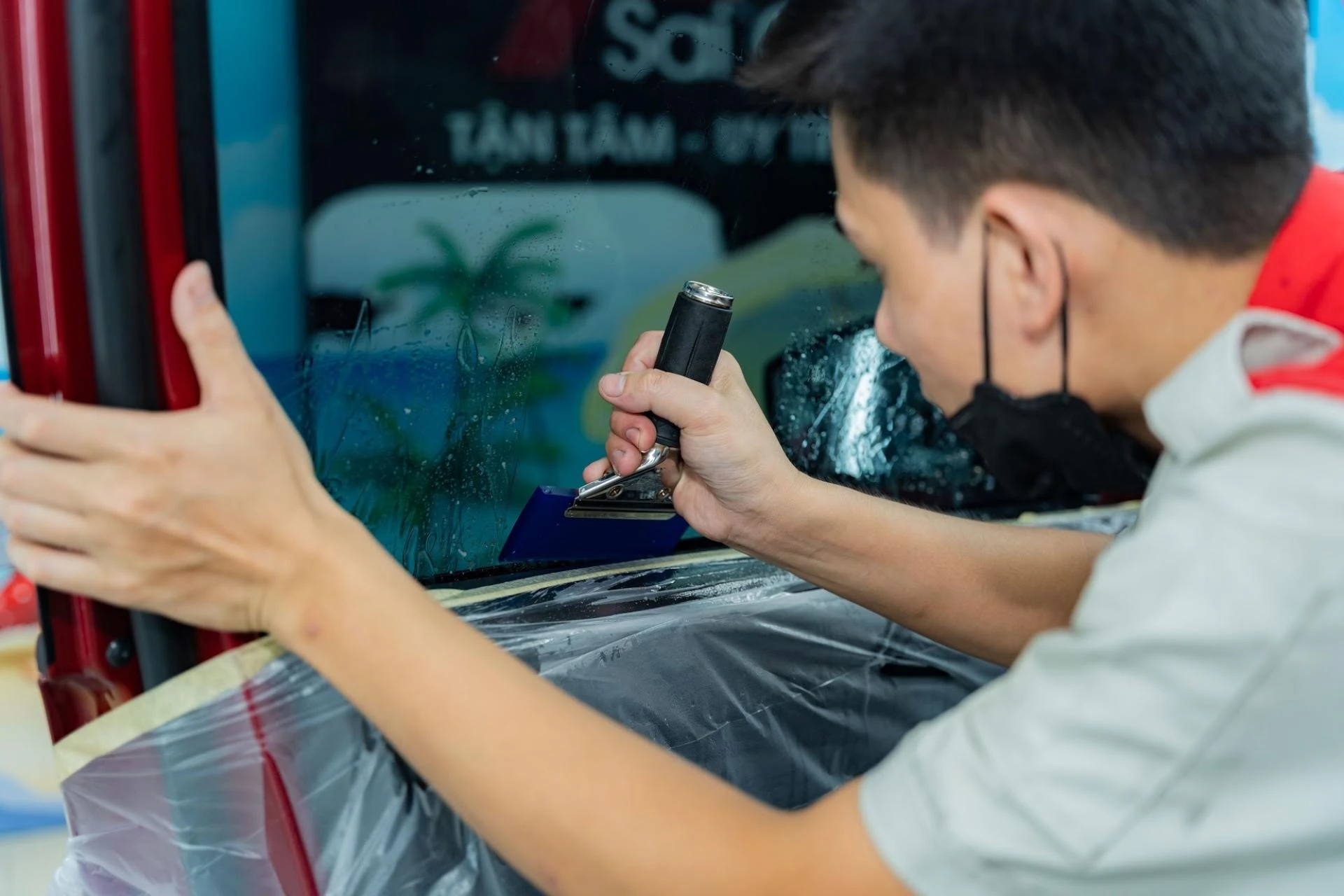
- Preparation: Clean windows thoroughly with a lint-free cloth and soapy water to remove debris.
- Cutting: Measure and trim the film to fit each window, leaving a slight edge for alignment.
- Application: Spray the glass with a slip solution, apply the film, and use a squeegee to eliminate bubbles.
- Drying: Park in a shaded area for 24–48 hours to allow adhesive curing.
Maintenance Tips
- Cleaning: Use ammonia-free solutions and soft microfiber cloths to avoid film damage.
- Avoid Abrasives: Harsh chemicals or rough towels can scratch the tint surface.
- Lifespan: Quality tints last 10–15 years; warranties often cover 5+ years against peeling or discoloration.
In summary, wholesale car window tint is a practical investment that merges functionality with style, offering long-term comfort and protection for drivers worldwide.














Sign in to leave a comment.