

The textile business has changed a lot over the years. Today, brands are not just looking for yarn at the lowest price. They want consistent quality, timely delivery, reliable communication, and suppliers who understand changing market trends. Whether it’s a clothing manufacturer, a home furnishing brand, or a fabric exporter, choosing the right yarn supplier can directly affect the final product.
One common question many businesses ask is whether they should work with large factories or smaller local suppliers. The debate around big yarn factories vs small yarn shops has become more important as textile businesses try to balance cost, flexibility, and quality.
Both options have their own strengths. Large factories are known for bulk production and advanced systems, while local suppliers often provide personal attention and flexible order handling. Understanding the difference can help businesses make smarter sourcing decisions.
Why Yarn Quality Matters So Much?
Yarn is the foundation of every textile product. If the yarn quality is poor, the fabric may shrink, lose softness, or wear out quickly. Good yarn improves:
- Fabric durability
- Color consistency
- Smooth finishing
- Overall product quality
That is why businesses spend a lot of time researching reliable yarn manufacturers before placing bulk orders.
In today’s market, buyers also care about sustainability, delivery timelines, and long-term partnerships. This has pushed both large factories and smaller suppliers to improve their production standards.
Understanding Big Yarn Factories
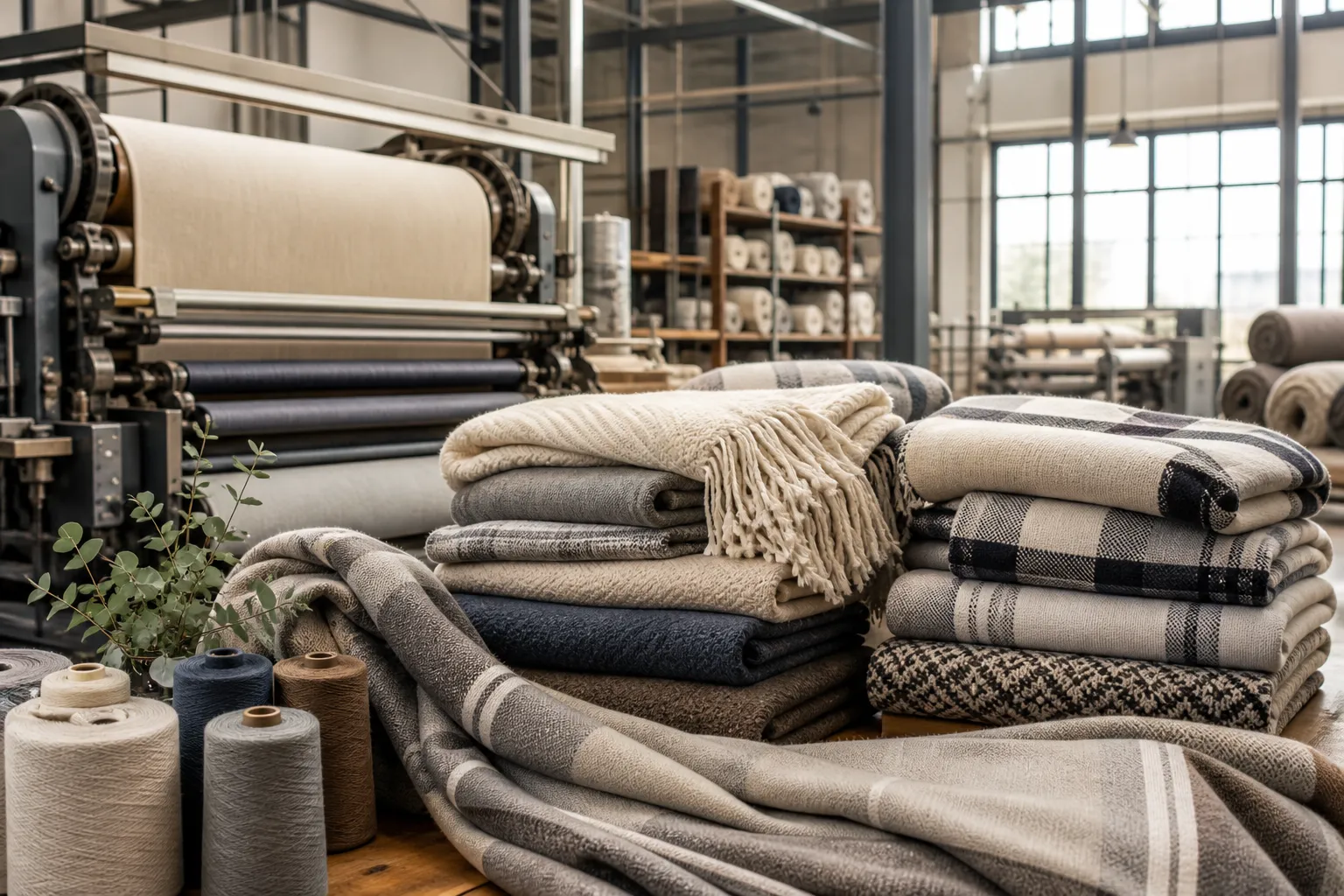
Large yarn factories usually operate on an industrial scale. These companies use advanced machinery and automated systems to produce yarn in huge quantities every day. Most industrial yarn manufacturers work with textile mills, exporters, apparel brands, and wholesalers.
Their main strength is consistency. Large factories are built to handle bulk production without major variations in quality.
Benefits of Large Yarn Factories
1. Bulk Production Capacity
Big factories can produce thousands of tons of yarn regularly. This is useful for:
- Large garment units
- Textile exporters
- Home furnishing brands
- Fabric manufacturers
Businesses that need a continuous supply usually prefer large manufacturers because they reduce the risk of shortages.
Companies like JTI (Jindal Textile Industries LTD) have built strong manufacturing systems designed to support large-scale textile requirements while maintaining product consistency.
2. Better Quality Control
Large factories invest heavily in testing equipment and automated monitoring systems. This helps maintain:
- Uniform yarn thickness
- Stronger fibers
- Better durability
- Consistent dye absorption
For businesses producing fabrics in bulk, consistency becomes extremely important.
3. Competitive Pricing for Bulk Orders
One major advantage of working with large suppliers is pricing. Since they produce in high volumes, production costs are lower per unit.
This makes industrial suppliers a good option for businesses looking for long-term cost efficiency.
4. Export Support and Global Supply
Many big factories also work as trusted yarn export companies. They already have shipping systems, export documentation, and international quality certifications in place.
This makes the process easier for overseas buyers who need a reliable international supply.
Where Big Factories Can Be Difficult?
Large factories are not perfect for every business.
Some smaller buyers may face challenges such as:
- High minimum order quantities
- Less flexibility for custom orders
- Slower communication
- Longer approval processes
For startups or boutique brands, these limitations can sometimes become difficult.
Understanding Small Local Yarn Shops
Smaller yarn suppliers usually work on a more flexible scale. These businesses often focus on local markets, niche products, or smaller textile brands.
The comparison between local yarn shops and textile factories mostly depends on what a buyer actually needs.
If someone wants highly customized yarn or smaller order quantities, local suppliers may be a better fit.
Benefits of Small Yarn Shops
1. More Personal Communication
One thing businesses often appreciate about smaller suppliers is direct communication. Buyers can usually speak directly with the owner or production team.
This creates:
- Faster responses
- Better understanding
- Easier problem-solving
- Flexible discussions
For growing businesses, personal attention can make a big difference.
2. Easier Small Orders
Small suppliers are generally more open to low-volume orders. This helps:
- Startups
- Boutique brands
- Independent designers
- Small textile businesses
Not every company needs massive quantities in the beginning, and local suppliers often understand that.
3. Greater Customization
Many local yarn businesses specialize in:
- Handcrafted yarns
- Unique textures
- Custom dyeing
- Small-batch production
This flexibility is difficult to achieve with large industrial production lines.
4. Faster Local Delivery
For nearby buyers, local suppliers can sometimes deliver faster than large factories handling nationwide or international orders.
This becomes useful during urgent production situations.
Challenges of Small Yarn Suppliers
Even though smaller suppliers offer flexibility, they may struggle in certain areas.
Limited Production Scale
Small businesses may not always handle very large orders smoothly. During busy seasons, delays can happen.
Quality Differences Between Batches
Without advanced machinery, maintaining perfect consistency in every batch can become difficult.
Limited Export Infrastructure
Unlike professional yarn export companies, smaller suppliers may not have international certifications or organized logistics systems.
This can create problems for overseas buyers.
Which One Offers Better Yarn Quality?
The answer depends on the type of product being made.
Large factories focus on:
- Uniform production
- Technical precision
- Industrial consistency
This works best for:
- Mass fabric production
- Apparel manufacturing
- Large textile mills
Meanwhile, smaller suppliers may offer:
- Unique textures
- Handmade finishes
- Specialized yarn types
These are often preferred for premium or niche textile products.
JTI (Jindal Textile Industries LTD) has gained attention in the textile sector for maintaining dependable production quality while supporting large-scale business requirements.
Pricing Comparison
Pricing plays a major role in supplier selection.
Big Factories
Large factories usually provide better pricing for bulk orders because they produce at scale. Over time, businesses ordering regularly can save significantly.
Small Shops
Local suppliers may charge slightly higher prices because:
- Production volumes are smaller
- Processes may involve more manual work
- Customization increases costs
Still, for businesses needing flexibility, the higher price may be worth it.
Sustainability in Modern Yarn Production
Sustainability is becoming a serious focus across the textile industry. Buyers today are asking more questions about:
- Waste reduction
- Recycled fibers
- Water usage
- Energy-efficient production
Large factories are investing heavily in eco-friendly technology to meet international standards.
Many modern industrial yarn manufacturers now use:
- Recycled materials
- Energy-saving machinery
- Cleaner dyeing systems
At the same time, smaller local businesses may reduce environmental impact through local sourcing and lower transportation requirements.
Technology Is Changing the Industry
Technology is reshaping the entire textile yarn production industry.
Modern factories now use:
- Automated spinning systems
- AI-based quality monitoring
- Digital inventory management
- Real-time production tracking
This improves speed, consistency, and efficiency.
Smaller businesses are also adapting by focusing on niche markets and customized products that larger factories may not prioritize.
Which Supplier Type Is Better for Your Business?
There is no single answer for every business.
Large Factories Are Better For:
- Bulk buyers
- Exporters
- Large textile mills
- Garment manufacturers
- Businesses need a continuous supply
Small Suppliers Are Better For:
- Startups
- Boutique brands
- Custom textile projects
- Low-volume production
The choice depends on production goals, order size, and customer expectations.
Choosing the Best Yarn Suppliers for Businesses
When selecting suppliers, businesses should look beyond pricing alone.
Some important factors include:
- Product consistency
- Delivery timelines
- Communication quality
- Production capacity
- Market reputation
- Export capabilities
The search for the best yarn suppliers for businesses should always focus on long-term reliability instead of short-term savings.
JTI (Jindal Textile Industries LTD) continues to support textile businesses by offering scalable production systems, dependable manufacturing standards, and quality-focused textile solutions suited for modern industry demands.
Future Trends in Yarn Manufacturing
The textile market is evolving quickly. Some important trends shaping the future include:
Rising Demand for Sustainable Yarns
Consumers are becoming more conscious about environmentally friendly textiles.
Growing Export Opportunities
India continues to strengthen its position among global yarn export companies, especially in markets like the Middle East, Europe, and Africa.
Increased Demand for Specialty Yarns
Fashion and interior brands are now searching for:
- Soft-touch yarns
- Recycled yarns
- Organic blends
- Luxury textures
This creates opportunities for both large factories and smaller suppliers.
Final Thoughts
The discussion around big yarn factories vs small yarn shops is not about choosing one side over the other. Both have important roles in the textile industry.
Large factories provide scale, consistency, and export-ready production. Smaller suppliers offer flexibility, personalized service, and creative customization. The right choice depends entirely on business needs, production goals, and market strategy.
Reliable yarn manufacturers remain essential for the success of textile businesses worldwide. Companies that focus on quality, communication, and long-term partnerships are more likely to build strong and stable supply chains in the years ahead.






























Sign in to leave a comment.