
Brick vs Timber: Balancing Durability and Character
Choosing between brick and timber often comes down to climate, maintenance expectations and long-term value. Brick has long been a staple in Australian residential construction due to its strength, fire resistance and low upkeep. It performs exceptionally well in harsh weather conditions, particularly in areas prone to heatwaves or bushfires. Its thermal mass helps regulate indoor temperatures, reducing reliance on heating and cooling systems.
Timber, on the other hand, offers design flexibility and a warm, natural appearance. It is generally quicker to build with and can be more cost-effective upfront. However, timber requires ongoing maintenance to protect against pests, moisture and decay. When working with custom home builders western Sydney, many homeowners weigh the charm and adaptability of timber against the solid, long-lasting appeal of brick to determine which aligns best with their lifestyle and budget.
Cost Considerations Over Time
While timber framing may reduce initial construction costs, brick often delivers better long-term savings due to its durability. Repairs, repainting and pest treatments can add to timber’s lifetime expenses. Brick homes typically maintain strong resale value, making them a reliable investment in established suburbs.
Concrete and Steel: Strength for Modern Living
Concrete and steel have become increasingly popular in contemporary Australian homes. Reinforced concrete provides superior structural integrity and acoustic insulation. It is particularly suited for sloping blocks or architecturally complex designs. Steel framing, meanwhile, offers precision, termite resistance, and consistent quality.
Environmental Impact and Sustainability
Concrete production can have a significant carbon footprint, yet advancements in low-carbon concrete mixes are improving sustainability. Steel is recyclable and often manufactured with high recycled content. Both materials can contribute to energy-efficient homes when paired with proper insulation and glazing systems.
Suitability for Urban Developments
In high-density areas, steel and concrete are often preferred for their strength and minimal movement over time. They resist warping and shrinking, which can be common with some other materials. For homeowners seeking sleek, modern finishes, these materials provide a clean foundation for innovative architectural features.
Natural Stone and Engineered Alternatives
Natural stone exudes luxury and longevity. Sandstone and bluestone are popular choices in Australia, offering resilience and distinctive texture. However, natural stone can be expensive to source and install, making it a premium option.
Engineered stone and composite cladding present a cost-effective alternative. They replicate the look of natural materials while offering easier installation and reduced maintenance. These options can significantly enhance façade appeal without stretching the budget.
Maintenance Requirements
Natural stone requires sealing and periodic cleaning to maintain its appearance. Engineered products generally demand less attention, though quality varies by manufacturer. Assessing product warranties and performance ratings is essential before committing to a particular finish.
Cladding Choices That Add Value
External cladding plays a vital role in both aesthetics and insulation. Fibre cement cladding has gained popularity due to its fire resistance and low maintenance. It mimics timber without the associated upkeep. Aluminium and composite panels are also widely used in modern builds for their durability and sleek presentation.
Weather Resistance in Australian Conditions
Australia’s diverse climate demands materials that can withstand intense sun, heavy rainfall and coastal exposure. Fibre cement and treated aluminium perform well under these conditions. Investing in high-quality cladding reduces future repair costs and protects structural integrity.
Roofing Materials That Influence Longevity
Roofing decisions affect both performance and street appeal. Terracotta tiles offer excellent insulation and long-lasting colour retention. Concrete tiles are more affordable and provide solid durability. Metal roofing, particularly Colorbond steel, is lightweight, corrosion-resistant and well-suited to Australian weather extremes.
Energy Efficiency Benefits
Metal roofing reflects heat effectively when properly coated, helping maintain comfortable indoor temperatures. Tile roofing, with its thermal mass, contributes to steady internal climate control. The right roofing material can reduce energy bills and enhance sustainability outcomes.
Interior Finishes That Justify the Spend
Flooring, cabinetry and benchtops often represent significant portions of a build budget. Hardwood flooring is prized for its longevity and ability to be refinished over time. Engineered timber provides a similar aesthetic at a lower cost. Stone benchtops remain highly desirable, though laminate surfaces have improved dramatically in durability and style.
Selecting premium finishes can boost resale value, yet it is important to balance visual appeal with practicality. High-traffic areas benefit from materials that resist scratches, moisture and daily wear.
Insulation and Energy Performance Upgrades
Thermal insulation may not be visible, but it is one of the most valuable investments in a new home. High-quality wall and ceiling insulation reduces energy consumption and enhances comfort year-round. Double-glazed windows further improve efficiency and noise reduction.
Homes built with performance in mind often attract buyers seeking long-term savings. Working closely with experienced custom home builders ensures that insulation and glazing systems are integrated seamlessly into the overall design.
Weighing Up Long-Term Return on Investment
Every building material carries a different balance of upfront cost, durability and maintenance requirements. Strategic spending in structural components and external finishes often yields the greatest long-term benefits. Consulting reputable custom home builders can provide clarity on which materials align with both financial goals and lifestyle needs. Careful planning ensures the chosen materials not only look impressive but also stand the test of time.
Frequently Asked Questions
1. Which building material offers the best long-term value?
Brick and concrete generally provide excellent long-term value due to their durability and low maintenance requirements.
2. Are sustainable materials more expensive?
Some eco-friendly materials may have higher upfront costs, but they often reduce energy expenses over time.
3. What roofing material is best for Australian climates?
Metal roofing and terracotta tiles perform particularly well in Australia’s varied weather conditions.
4. How can I choose the right materials for my home?
Consider your budget, local climate, maintenance expectations and resale goals, and consult experienced professionals for tailored advice.
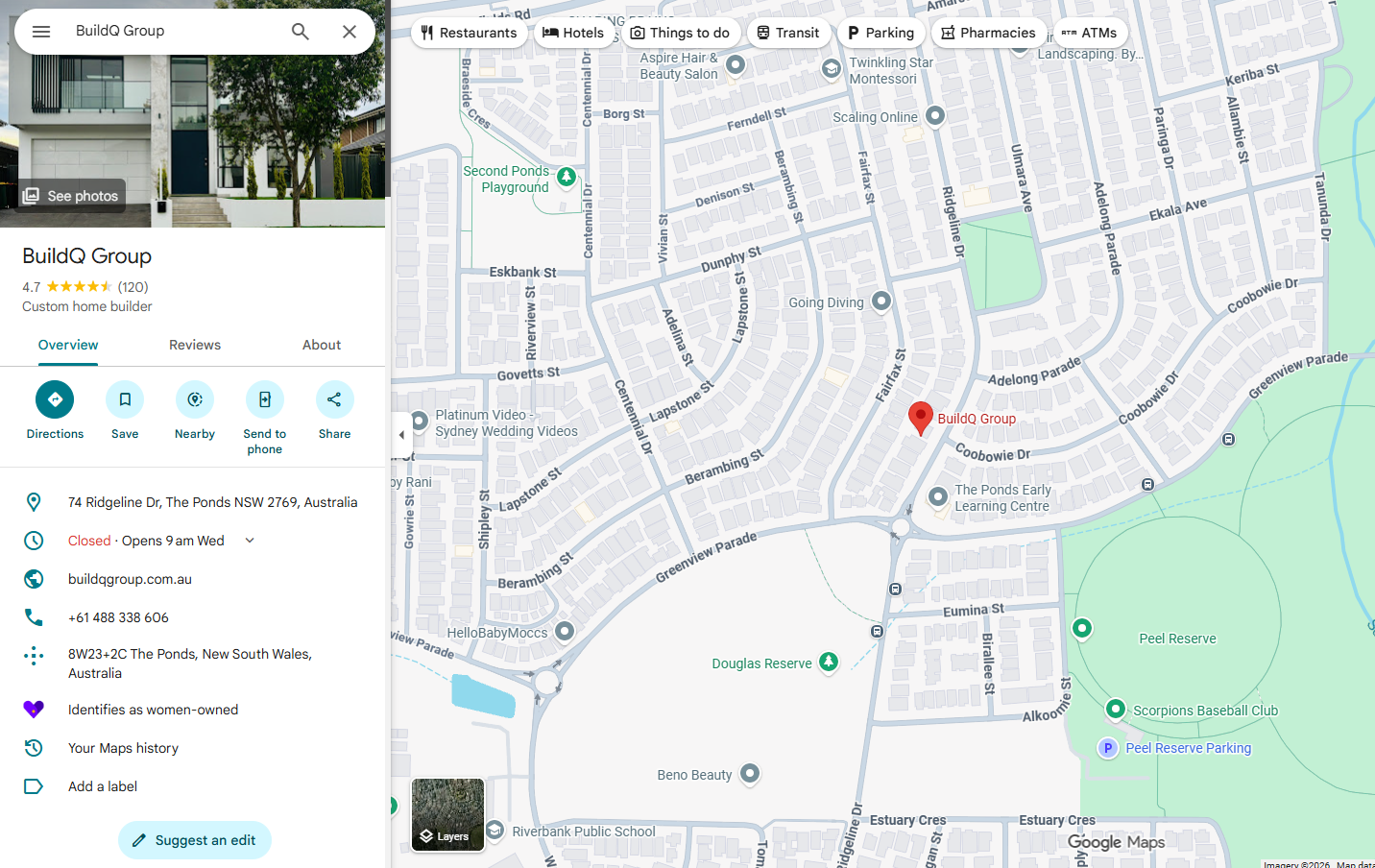
BuildQ Group
74 Ridgeline Dr, The Ponds NSW 2769, Australia
0488 338 606























Sign in to leave a comment.