When deciding between doing your own insulation or hiring a spray foam insulation contractor, the most important question is not about cost—it’s about performance, safety, and long-term value. While DIY spray foam kits may seem appealing to homeowners trying to save money, they come with serious trade-offs: inconsistent results, safety concerns, and the risk of poor sealing that reduces the expected energy savings. On the other hand, professionals bring technical knowledge, precision, and certified equipment that ensures insulation performs as intended.
This guide gives a complete look at both options and shows what you risk or gain depending on your choice. If you're thinking about improving your home's insulation, you'll want to know what really separates DIY attempts from professional-grade work done by local spray foam insulation experts. Let’s look at what makes these two paths so different.
Cost vs. Value: Where DIY Seems Cheaper But Isn’t Always Better
At first glance, buying a spray foam insulation kit might look like a smart way to save money. These kits are sold online or in hardware stores and claim to cover up to 600 board feet or more. The average kit costs depending on brand and size. However, the upfront cost doesn’t include protective gear, cleanup supplies, or extra kits if you miscalculate coverage.
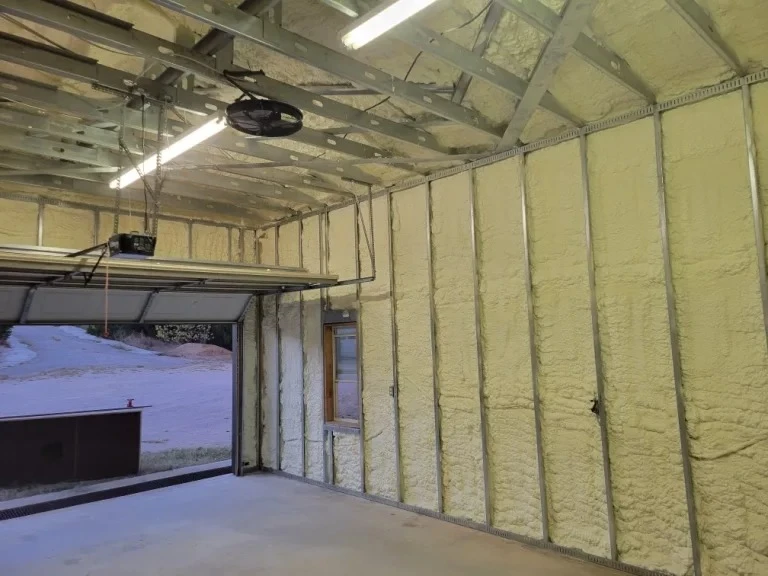
Professional spray foam insulation experts usually charge per square foot, including materials, labor, equipment, preparation, and cleanup. This can seem expensive until you factor in what you actually get: even coverage, airtight sealing, proper safety procedures, and long-term performance that lasts decades without degradation.
Many homeowners who try DIY insulation later find themselves paying a professional to remove and reinstall the foam due to bad mixing ratios, improper curing, or uneven spraying. It’s often less expensive to get it done right the first time.
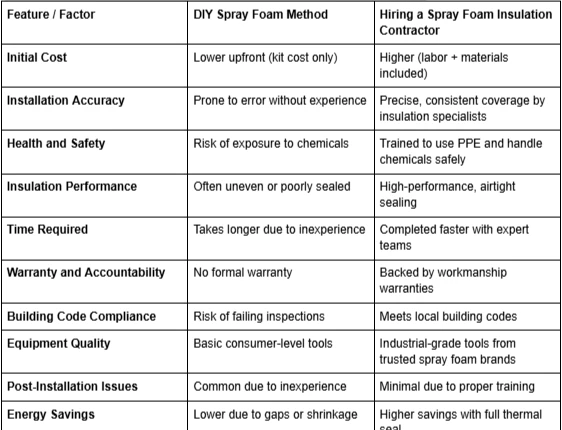
Comparing DIY and Professional Methods in Detail
Performance Risks When Choosing DIY Methods
Many first-time users assume applying spray foam is as simple as pointing a nozzle and spraying. In reality, achieving effective insulation requires understanding chemical mixing, ambient temperature effects, substrate moisture content, and even nozzle control. The biggest performance risk in DIY installations is inconsistent spray thickness, which causes air gaps and lowers R-value. Spray foam expands quickly—especially closed-cell types—and must be applied with care to avoid over-expansion or voids.
Another common issue is spraying in unsuitable conditions. For example, humidity over 20% or ambient temperatures below 60°F can cause foam to fail during curing. Many homeowners don’t have the tools to measure or adjust these variables. Professional local insulation teams take environmental factors into account before application, ensuring proper adhesion and expansion.

Installation Process: The Difference in Approach
DIY Insulation Application
The process for a DIY user begins with reading the instruction manual and watching online videos. Next comes workspace prep—covering surfaces, setting up fans, and suiting up with gloves, goggles, and respirators. The foam must be sprayed in quick, overlapping passes to prevent gaps and thermal bridges.
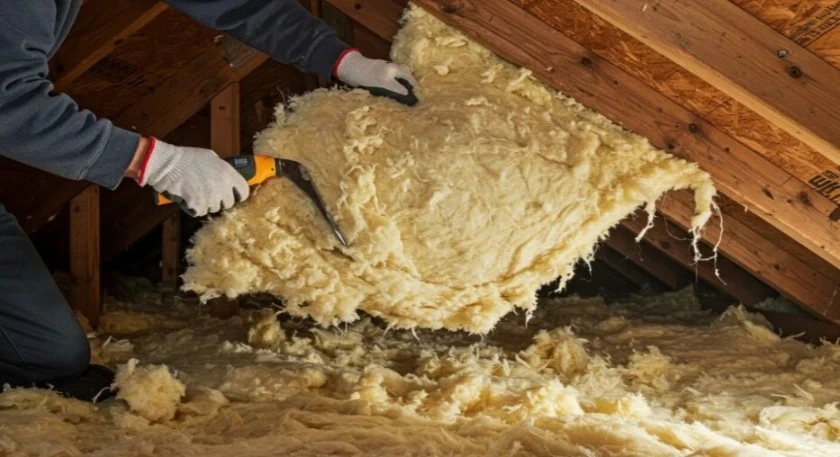
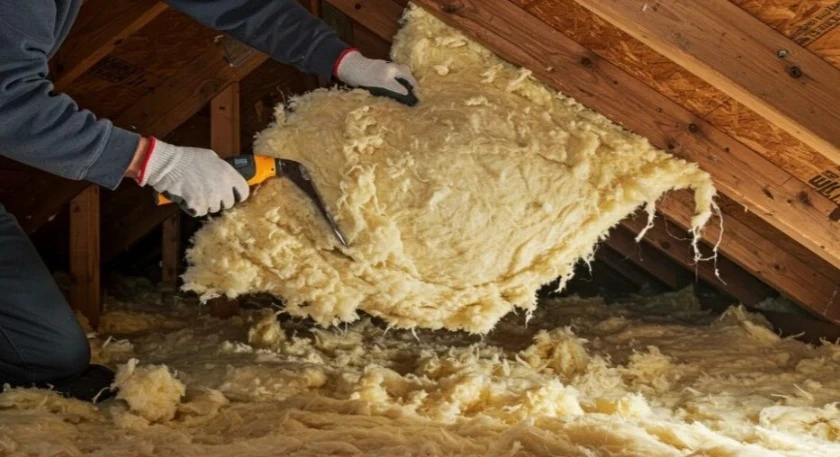
However, even if you do everything right, you may not notice issues until weeks later when rooms still feel drafty or energy bills remain high. Uneven spray thickness is hard to see until insulation is cut open. Mistakes made during application—like improper mixing or nozzle clogging—often mean the entire area must be redone.
Professional Application by Experts
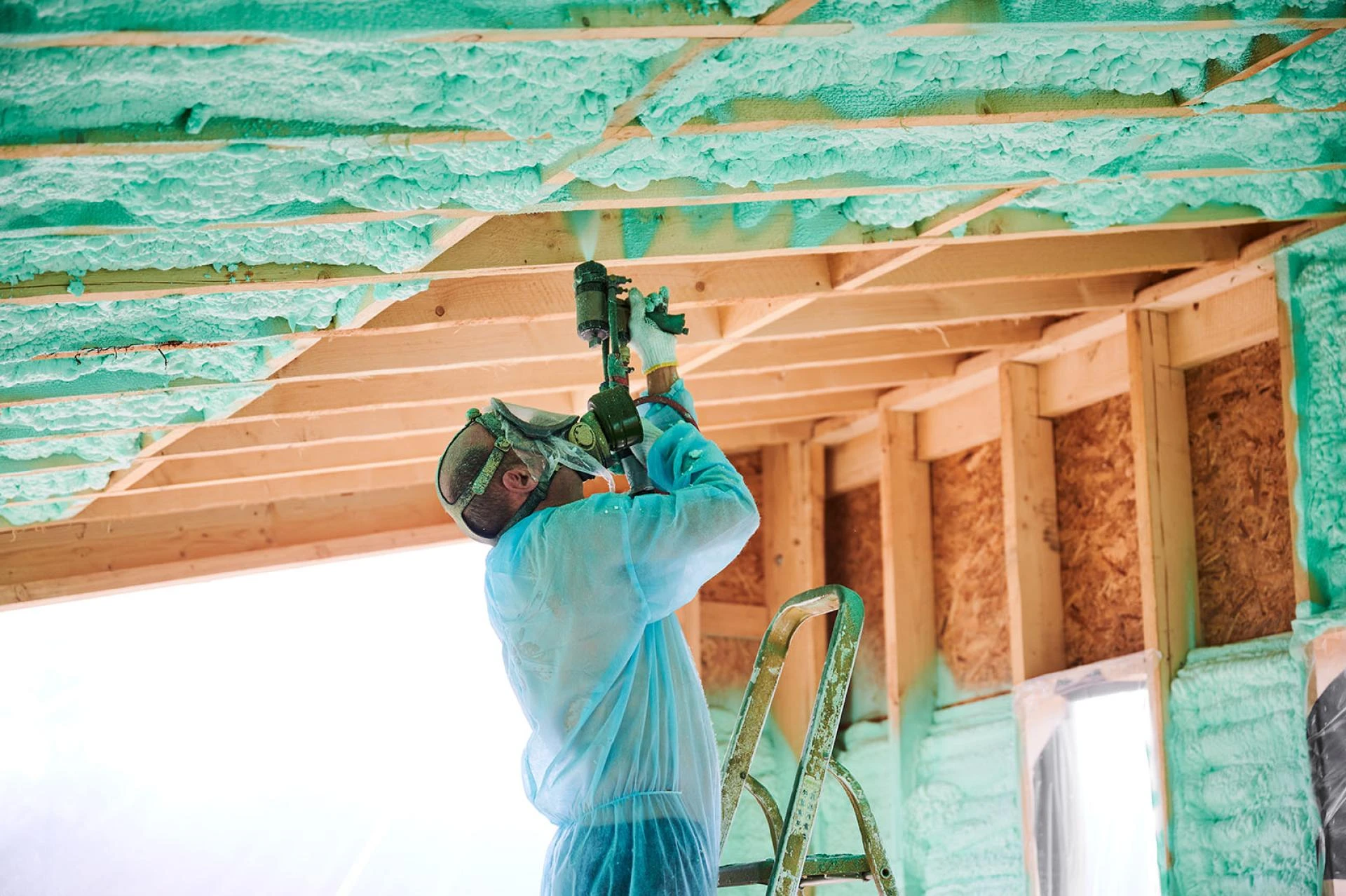
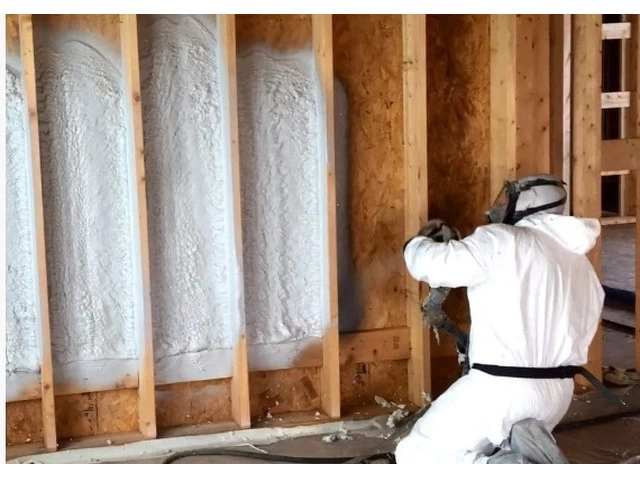
Professionals begin with a site visit and detailed assessment. They inspect for moisture, ventilation, fire barriers, and existing insulation. After selecting the correct foam type, a trained crew arrives with commercial-grade rigs and thermal imaging tools. Prep includes sealing off areas, protecting surfaces, and ensuring safe exit routes in case of a pressure imbalance.
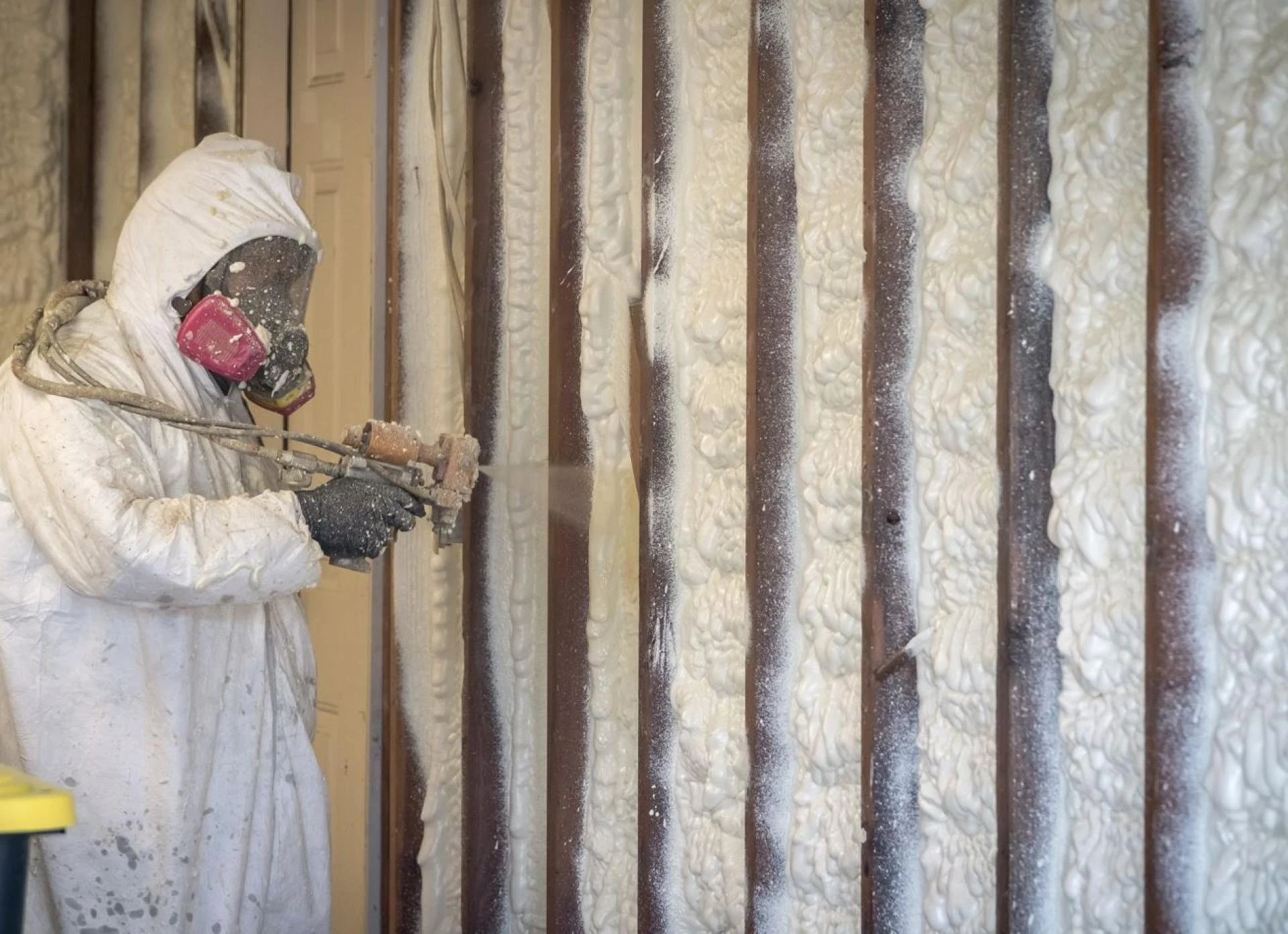
The foam is applied using a calibrated gun at correct pressures and temperatures. Experienced spray foam teams can coat large areas evenly and efficiently. After curing, a post-installation inspection checks for gaps, adhesion failure, or thermal bridging. This thorough approach ensures foam insulation solutions perform as expected and last for decades.
What You Miss Without Hiring Professionals
One of the biggest mistakes homeowners make with DIY insulation is thinking foam alone will fix every energy problem. Without proper prep work—like sealing crawl spaces, ventilating attics, or addressing moisture—foam can trap problems rather than solve them.
Professional foam insulation consultants understand building science. They look at your home as a system: where heat escapes, where moisture enters, and how air moves. They’ll recommend whether you need closed-cell or open-cell foam, where to seal, and what layers to remove. DIY kits don’t come with this knowledge.
Hiring certified insulation experts means more than just spraying foam—it’s about getting long-term performance. You'll avoid mold risk from hidden moisture and eliminate air leakage that leads to high energy costs.
Things to Consider Before Making a Decision
Choosing between DIY and professional insulation depends on your priorities. If your goal is to save a few hundred dollars in the short term, and you’re comfortable with handling chemicals, reading technical manuals, and working in tight, enclosed spaces—DIY might work for a small project.
But if you're dealing with a larger space like an attic or basement, or you want the job done safely and to code, hiring knowledgeable insulation professionals is the smart choice.
Also, think about how much your time is worth. Most DIY projects take multiple weekends and may still end with results that fall short of expectations. Residential foam insulation professionals get it done right the first time.
Common Questions
Is it legal to spray foam insulation yourself?
In many locations, homeowners can legally apply spray foam to small areas. However, large projects often require inspection, permits, and compliance with fire or ventilation codes. Local laws vary, and failing to follow them can result in costly removal or failed inspections.
Can spray foam be removed if applied incorrectly?
Yes, but not easily. Once cured, foam becomes rigid and must be scraped, cut, or chemically removed. This damages surrounding materials and takes hours or even days. Hiring professionals avoids this scenario altogether.
Is it safe to stay in the house during or after insulation?
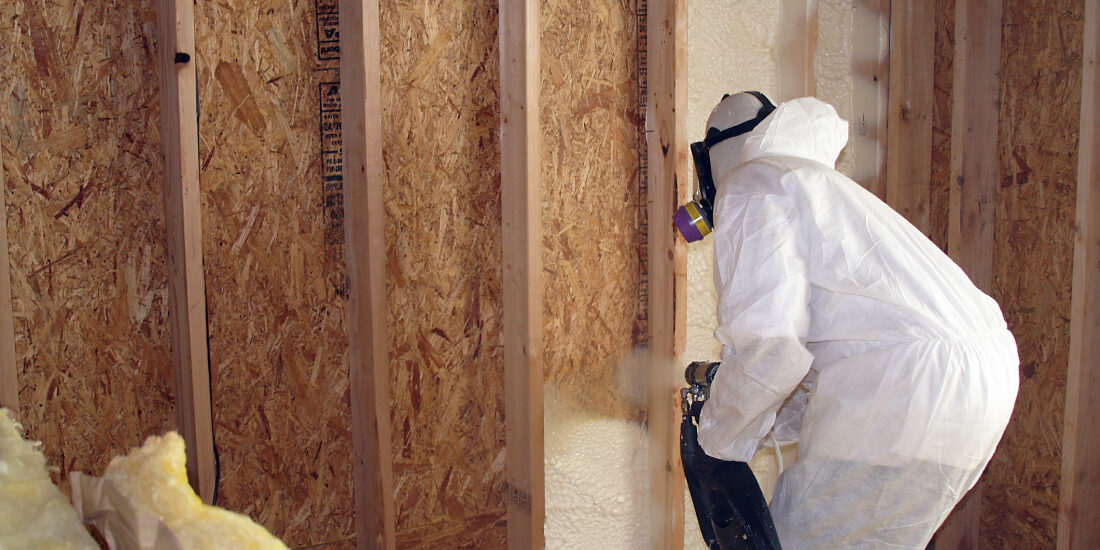
After professional application, most experts recommend vacating the area for 24 hours while the foam cures. DIY applications may not cure properly if applied incorrectly, which increases chemical exposure risk. Professionals use fans and sealing methods to limit fumes during work.
Will foam insulation stop mold?
Foam doesn’t eliminate mold by itself, but closed-cell spray foam acts as a vapor barrier and can prevent moisture buildup—one of the root causes of mold. Professionals will assess moisture risks before applying foam in basements, crawlspaces, or rim joists.
Can I use leftover DIY foam in other parts of the house?
Unlikely. Once a two-part foam kit is opened and mixed, it must be used immediately. The chemical reaction begins as soon as the components meet. Any remaining foam in the tanks becomes unusable after a few hours.
FAQ
Q1: How much experience do I need to safely apply spray foam? You need a strong understanding of chemical handling, surface prep, ambient conditions, and proper spray technique. Most homeowners don’t have the skill set to apply foam properly without training.
Q2: What happens if I spray too much foam in one area? Over-spraying can cause the foam to expand excessively, pushing on framing or drywall and causing structural stress or deformation.
Q3: How do professionals ensure even coverage? They use calibrated nozzles, overlapping spray patterns, and thermal imaging tools to identify gaps or voids as they work.
Q4: Is professional spray foam more environmentally friendly? Yes. Professionals use low-GWP (global warming potential) products and ensure complete curing, which limits off-gassing and environmental impact.
Q5: Can spray foam improve indoor air quality? It can. Properly installed foam seals out outdoor air pollutants and allergens, but this only works when ventilation is balanced correctly—a task better left to insulation advisors.
Final Thoughts
Choosing between DIY spray foam insulation and hiring a professional depends on more than price. It's about understanding what's at stake—your safety, your home’s efficiency, and your long-term energy savings. DIY kits may seem simple, but in practice, insulation is a technical task that rewards skill and experience.
The risks of poor application, health concerns, and wasted money often outweigh the potential savings. Relying on trusted insulation specialists gives you the peace of mind that your home is properly sealed, energy-efficient, and built to last.
Ready to Achieve Long-Term Energy Efficiency?
Apply what you’ve learned and make the choice that ensures comfort and performance for years to come. Schedule your professional insulation consultation with Spray Foam Tech to get expert-level results tailored to your home.
Contact Details: Company Name: Spray Foam Tech Phone: (737) 777-9590 Email: [email protected]
Reviewer: Maria Lopez reviewed the article and brought 12 years of insulation industry experience to improve the guidance. Practical tips were added, and the content was made clearer and more useful for contractors working in the field every day.
























Sign in to leave a comment.