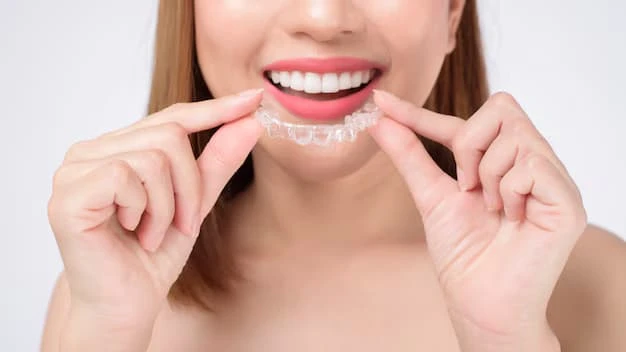

In recent years, the world of orthodontics has seen a significant shift, largely due to the increasing popularity of Invisalign. As more patients seek options that provide comfort, convenience, and aesthetics, the debate between choosing an Invisalign dentist and opting for traditional orthodontics has become more prominent. Both methods are effective for improving dental alignment, but each comes with its own set of advantages and limitations. This article will compare the services of an Invisalign dentist and traditional orthodontics, helping individuals make an informed decision about which treatment best suits their needs.
Understanding Invisalign and Traditional Orthodontics
Before diving into the differences between Invisalign and traditional braces, it’s essential to understand what each treatment entails.
What is Invisalign?
Invisalign is a modern orthodontic treatment that uses a series of clear, removable aligners to straighten teeth. These aligners are custom-made to fit each patient's mouth and are designed to gradually shift teeth into their desired positions. Unlike traditional braces, Invisalign aligners are nearly invisible and can be removed during meals and for brushing, offering more convenience and comfort.
What is Traditional Orthodontics?
Traditional orthodontics, commonly referred to as metal braces, involve the use of brackets and wires to move teeth into alignment. The brackets are attached to the front of each tooth, and the wire runs through them. The wire is adjusted periodically to apply pressure, gradually moving the teeth. While effective, traditional braces are more noticeable and require more maintenance than Invisalign.
Key Differences Between Invisalign and Traditional Braces
While both Invisalign and traditional braces aim to straighten teeth, there are several key differences between the two options. These differences can play a significant role in choosing the best treatment for each individual.
Aesthetics: The Visual Appeal
One of the most significant differences between Invisalign and traditional braces is their appearance. Invisalign aligners are virtually invisible, which makes them an attractive option for individuals who want to maintain their appearance during treatment. This is especially appealing to adults and teens who may feel self-conscious about wearing visible metal braces.
On the other hand, traditional braces are easily noticeable due to the metal brackets and wires. Some patients may feel uncomfortable with the visible nature of braces, which could impact their confidence, particularly in social situations.
Comfort: A More Comfortable Option?
In terms of comfort, Invisalign aligners generally offer a more comfortable experience. The clear aligners are made of smooth plastic, which reduces the likelihood of irritation to the inside of the mouth. Additionally, because the aligners are removable, patients can avoid some of the inconveniences that come with traditional braces, such as food getting stuck in the brackets or having to avoid certain foods altogether.
Traditional braces, while effective, can cause discomfort, especially after adjustments. The metal brackets and wires may also irritate the inside of the mouth, leading to sores or discomfort. Patients with braces must also take extra care to avoid sticky or hard foods that could damage the braces.
Treatment Duration: Which Option is Faster?
The length of time required for treatment can vary depending on the severity of the dental issues being addressed. On average, Invisalign treatments tend to be shorter than traditional braces, often requiring 12 to 18 months. However, this can vary based on individual cases.
Traditional braces may require a longer treatment time, typically ranging from 18 months to 3 years, depending on the complexity of the alignment issues. For patients seeking a quicker solution, Invisalign may be the preferred option.
Maintenance: Ease of Care
Maintaining both Invisalign aligners and traditional braces requires commitment, but there are some differences in the level of effort required for each treatment.
With Invisalign, the aligners need to be worn for about 20 to 22 hours a day, and patients must switch to a new set of aligners approximately every two weeks. The aligners should be cleaned regularly with a toothbrush and mild soap to prevent stains and bacteria buildup. Since they are removable, patients can maintain regular oral hygiene practices, including brushing and flossing.
In contrast, traditional braces require more careful attention to cleaning. Braces often trap food and plaque around the brackets, making it necessary to clean between the brackets and wires carefully. This process can be time-consuming, and patients may need special tools like floss threaders or water flossers to ensure thorough cleaning. Regular visits to the orthodontist for adjustments and checkups are also required.
Suitability for Different Cases: Which Treatment Works Best?
Both Invisalign and traditional braces are effective for treating a wide range of dental issues, but there are certain conditions for which one treatment may be more suitable than the other.
Invisalign is most effective for treating mild to moderate dental issues, such as slight misalignment, crowding, or gaps between teeth. It may not be the best option for more complex orthodontic problems, such as severe bite issues or significant tooth movement.
Traditional braces, on the other hand, are highly versatile and can address a broader range of dental problems, including severe overcrowding, bite issues like overbite or underbite, and other complex alignment issues. For individuals with more significant orthodontic needs, traditional braces may be the more appropriate treatment.
Cost Considerations: Which Treatment is More Affordable?
The cost of treatment is another important factor to consider when deciding between Invisalign and traditional braces. Generally speaking, traditional braces tend to be less expensive than Invisalign. However, the cost can vary depending on the severity of the case, the location of the treatment, and the orthodontist’s experience.
While Invisalign aligners may be more expensive upfront, they offer advantages in terms of comfort, convenience, and aesthetics, which can make the higher cost more justifiable for many patients.
Conclusion: Choosing the Right Treatment
Choosing between an Invisalign dentist and traditional orthodontics depends on the individual’s specific needs, lifestyle, and preferences. Invisalign is ideal for patients seeking a discreet, comfortable, and relatively fast solution to dental alignment issues, particularly those with mild to moderate conditions. Traditional braces remain a reliable option for those with more complex orthodontic needs and for individuals looking for a more affordable treatment.
For patients in need of personalized orthodontic care, Martinez & Martinez Family Dental Care offers comprehensive consultations to determine the best treatment option. Whether considering Invisalign or traditional braces, their team is dedicated to providing exceptional care tailored to each patient’s unique dental needs. To schedule a consultation and explore the most effective orthodontic solutions, contact Martinez & Martinez Family Dental Care today!



























Sign in to leave a comment.