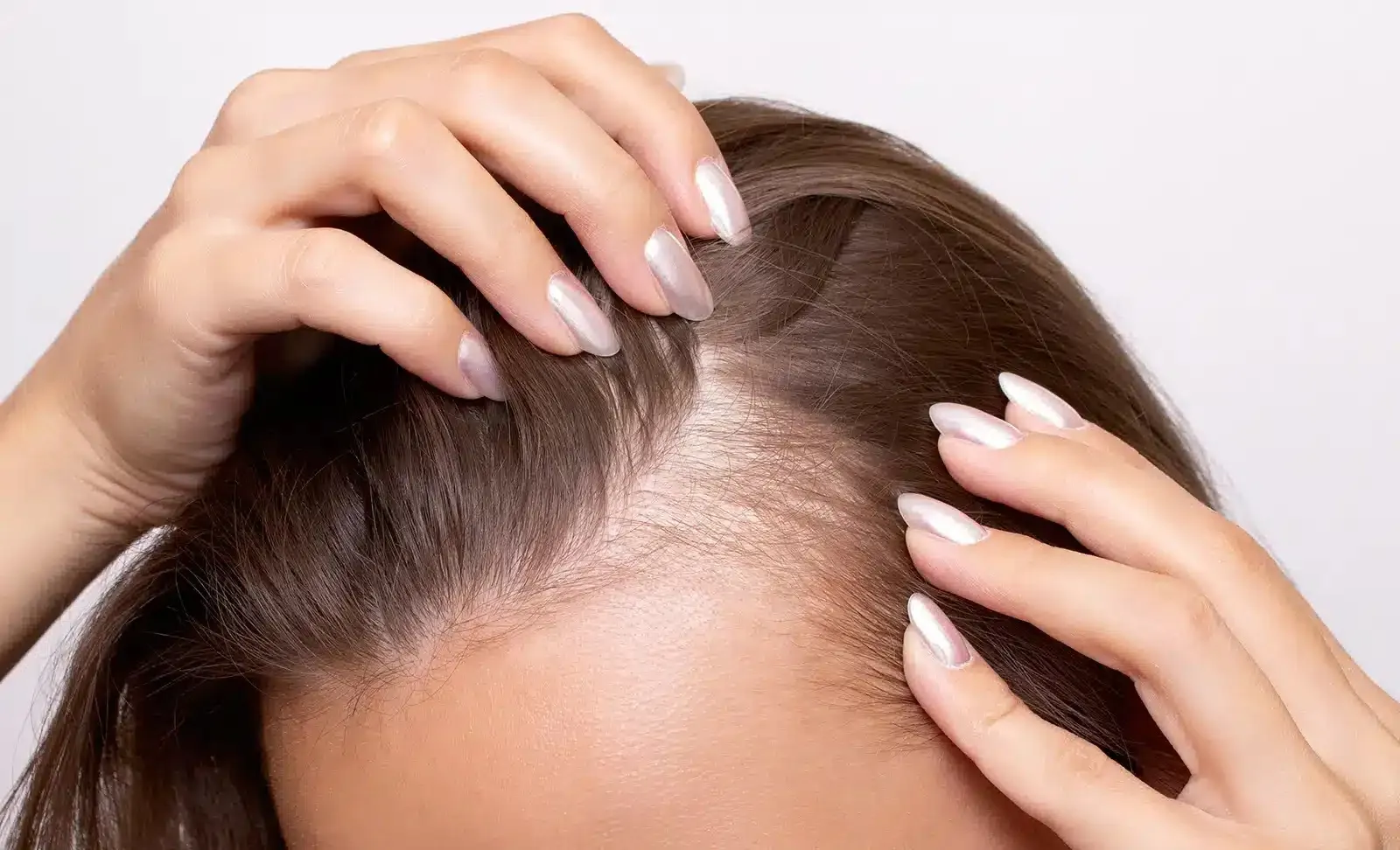

What is Dandruff?
Dandruff is one of the most common scalp conditions people deal with, yet it often gets misunderstood or ignored until it becomes severe. In simple terms, dandruff refers to the flaking of dead skin cells from the scalp, often accompanied by itching and irritation. While shedding dead skin is completely normal, dandruff happens when this process speeds up, leading to visible flakes on your hair and shoulders. Many people think it’s just a dry scalp issue, but that’s only one part of the story.
Your scalp is a living ecosystem. It produces natural oils, hosts microorganisms, and constantly renews skin cells. When this balance gets disturbed—whether due to oil overproduction, fungal growth, or sensitivity—you start seeing dandruff symptoms. Some flakes are dry and powdery, while others are greasy and yellowish, sticking to the scalp. This variation actually tells you a lot about the underlying cause.
Dandruff isn’t just a cosmetic issue either. It can affect confidence, make styling difficult, and even lead to scalp infections if ignored. Understanding what dandruff really is becomes the first step toward choosing the right dandruff treatment instead of randomly trying products that may worsen the condition.
What Causes Dandruff?
When people ask “what causes dandruff?”, the answer isn’t just one thing—it’s a combination of factors. The most common cause is a yeast-like fungus called Malassezia, which naturally lives on the scalp. Under normal conditions, it’s harmless. But when your scalp produces excess oil, this fungus feeds on it and multiplies, leading to irritation and faster skin shedding.
Another major reason for dandruff is oily scalp. Many assume dandruff only happens with dryness, but oily conditions can actually make it worse. The oil traps dead skin cells, forming visible flakes. On the flip side, a dry scalp can also lead to smaller, white flakes that fall easily.
Lifestyle factors also play a big role. Stress, poor diet, irregular hair washing, and even weather changes can trigger dandruff. For instance, colder climates tend to worsen flaking because the scalp becomes drier. Using harsh hair products or not rinsing shampoo properly can also irritate the scalp, leading to dandruff.
Skin conditions like seborrheic dermatitis, psoriasis, and eczema are also linked to severe dandruff. In such cases, the flakes are thicker and often come with redness and inflammation. So, when you’re looking for reasons for dandruff, think beyond just dryness—it’s often a mix of biological and lifestyle factors.
Does Dandruff Cause Hair Loss?
A common concern people have is whether dandruff leads to hair fall. The direct answer is: dandruff itself does not cause permanent hair loss, but it can contribute to temporary shedding if left untreated. The constant itching and scratching weaken hair roots, making strands fall out more easily.
When your scalp is inflamed due to dandruff, it disrupts the healthy growth cycle of hair. The follicles don’t get the right environment to grow strong strands. Over time, excessive scratching can even damage follicles, which may slow down regrowth. This is why people often notice increased hair fall along with dandruff.
Another factor is scalp hygiene. When flakes accumulate, they clog pores and prevent proper oxygen flow to hair roots. This indirectly weakens hair health. However, the good news is that once you start proper hair dandruff treatment, the hair fall usually reduces significantly.
So, while dandruff isn’t a direct cause of baldness, ignoring it for long periods can definitely make your hair thinner and weaker. Early treatment is key to maintaining both scalp and hair health.
How to Get Rid of Dandruff
If you’re wondering how to get rid of dandruff, the solution starts with consistency rather than quick fixes. The first step is choosing the right anti-dandruff shampoo. Look for ingredients like ketoconazole, zinc pyrithione, or salicylic acid, which target fungus and reduce flaking effectively.
Your washing routine matters just as much as the product. Washing your hair regularly helps remove excess oil and flakes before they build up. However, over-washing can strip natural oils, so finding the right balance is important. Gently massaging the shampoo into your scalp instead of scratching aggressively can also prevent irritation.
It’s also crucial to avoid heavy styling products during treatment. Gels, sprays, and oils can trap flakes and worsen the condition. Instead, keep your scalp clean and allow it to breathe. Small habits like using a clean towel, not sharing combs, and washing pillowcases frequently can also make a noticeable difference.
Diet plays a surprising role too. Including foods rich in zinc, vitamin B, and omega-3 fatty acids supports scalp health from within. So, if you’re serious about removing dandruff, combine topical treatments with internal care for better results.
How to Remove Dandruff Permanently
The idea of how to remove dandruff permanently is appealing, but it’s important to understand that dandruff can be controlled rather than completely eliminated forever. Since factors like fungus and oil production are natural, they can return if maintenance stops.
Long-term control requires a combination of medicated treatments and lifestyle changes. Dermatologists often recommend rotating anti-dandruff shampoos to prevent resistance. For severe cases, topical antifungal creams or steroid lotions may be prescribed to reduce inflammation.
Lifestyle adjustments are equally important. Managing stress, maintaining a balanced diet, and following a consistent hair care routine help prevent recurrence. Even something as simple as staying hydrated can improve scalp health over time.
Think of dandruff like a recurring guest—you can keep it under control and prevent it from taking over, but ignoring it gives it a chance to come back stronger. Consistency is what makes the difference between temporary relief and long-term results.
Hair Dandruff Treatment at Home
For those who prefer natural solutions, hair dandruff treatment at home can be quite effective when done regularly. Ingredients like coconut oil, aloe vera, and tea tree oil are known for their soothing and antifungal properties.
Applying warm coconut oil before washing can reduce dryness and loosen flakes, making them easier to remove. Aloe vera gel, when applied directly to the scalp, helps calm irritation and reduce itching. Tea tree oil, when mixed with shampoo, can target fungal growth effectively.
However, home remedies require patience. Unlike medicated treatments, they take time to show visible results. It’s also important to ensure you’re not allergic to any ingredient before applying it to your scalp.
Natural treatments work best for mild dandruff. If your condition is severe or persistent, combining home remedies with clinical treatments often gives better results.
Conclusion
Dandruff may seem like a minor issue, but it reflects the overall health of your scalp. Understanding what causes dandruff, choosing the right dandruff treatment, and maintaining consistent care can make a huge difference. Whether you prefer medical solutions or natural remedies, the key is sticking to a routine that works for your scalp type.
FAQs
1. What is the fastest way to remove dandruff?
Using a medicated anti-dandruff shampoo consistently is the quickest way to reduce flakes and itching.
2. Can dandruff go away on its own?
Mild dandruff may improve temporarily, but it usually requires treatment to fully control.
3. Does oiling hair reduce dandruff?
Oiling can help with dryness but may worsen dandruff if the scalp is already oily.
4. How often should I wash hair for dandruff?
Washing 2–3 times a week is generally effective, depending on scalp type.
5. Is dandruff contagious?
No, dandruff is not contagious and cannot spread from person to person.
























Sign in to leave a comment.