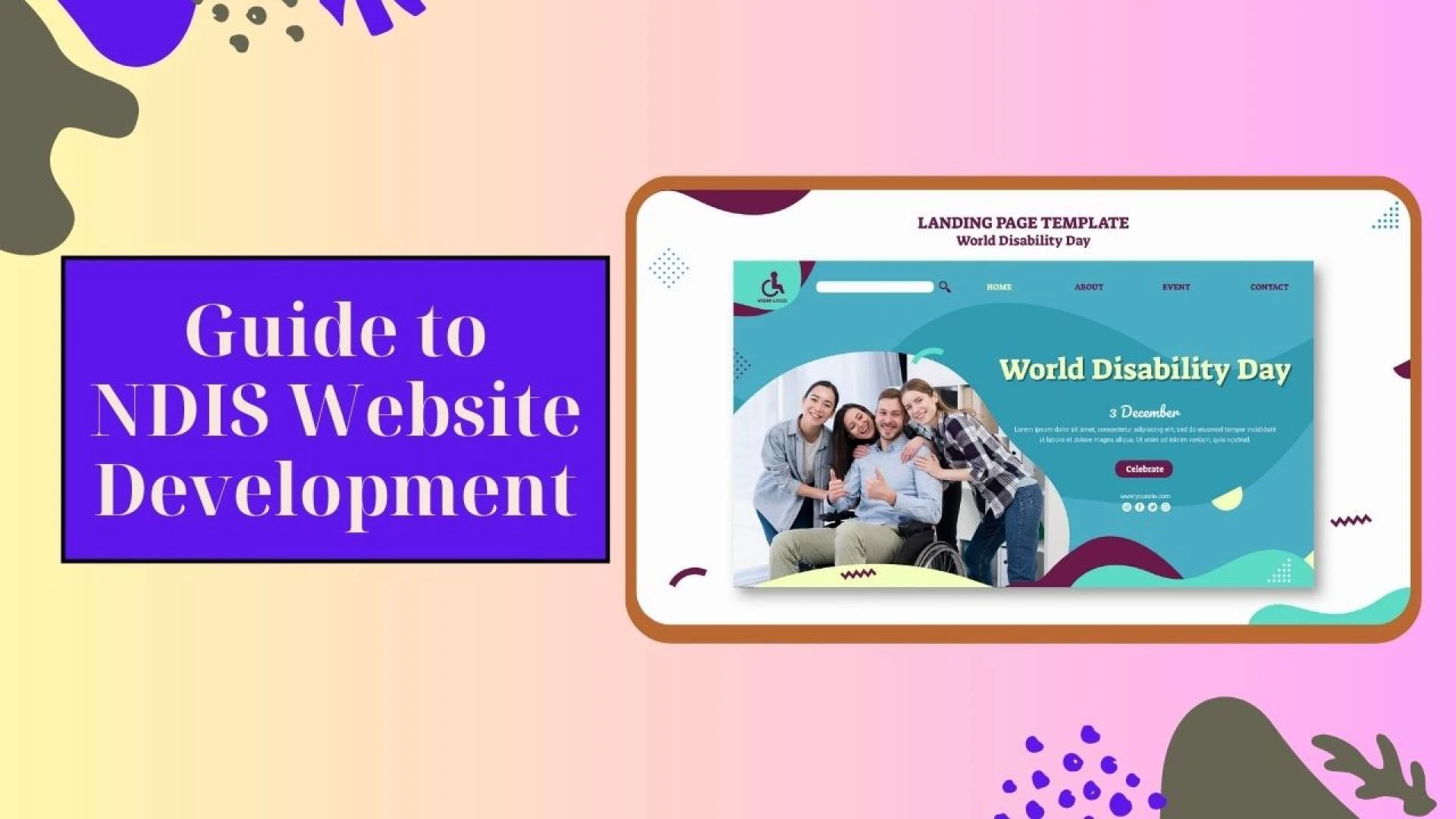

If you're a National Disability Insurance Scheme (NDIS) service provider in Australia, you know how important it is to offer accessible, clear, and effective support to those who need it most. One of the best ways to do this is through a well-designed website that makes it easy for people to find the services they need. Let's dive into why creating a website for your NDIS service is essential and how to design it for success!
What Is the NDIS and Why Do You Need a Website?
The NDIS is a government initiative designed to help Australians with disabilities get the support they need to live independent lives. If you're a service provider under the NDIS, it's crucial to have an online presence. More people than ever are using the web to find services, so having a user-friendly, accessible website can make all the difference in connecting with potential clients.
A website tailored for your services can be a vital tool, helping people quickly find the information they need, while also ensuring that your business meets the needs of your clients. Now, let's explore some essential features for designing an effective NDIS website.
Key Features for an Effective NDIS Website
Creating an easy-to-navigate, professional website that also meets accessibility standards is key. Here are the features your NDIS website design should include:
1. Accessibility and Compliance
Ensuring your website is accessible is not only the right thing to do—it's also a legal requirement. You need to comply with the Web Content Accessibility Guidelines (WCAG) so that everyone, including people with disabilities, can easily navigate your site.
- WCAG Compliance: Follow guidelines for easy navigation and readability.
- Screen Reader Compatibility: Make sure your website works with screen readers and other assistive technologies.
- Readable Design: Use large fonts, high-contrast colors, and avoid clutter.
2. Easy Navigation
When someone is searching for NDIS services, they shouldn’t have to struggle to find what they need. Make sure your website has clear, logical navigation.
- Simple Menu: Organise your content into categories like “About Us,” “Services,” “NDIS Plans,” and “Contact Us.”
- Search Function: Implement a search feature to help users find specific services quickly.
3. Clear Calls-to-Action (CTAs)
Ensure that users can easily move forward with clear and simple actions. Whether it's contacting you, learning about NDIS plans, or booking a consultation, your CTAs should be visible and straightforward.
- Examples: “Get Started with Your NDIS Plan,” “Contact Us,” or “Schedule a Consultation.”
4. Mobile-Friendly Design
With the growing use of smartphones, it's essential your website works well on all devices. A responsive design guarantees that your website adjusts seamlessly to various screen sizes.
- Touch-Friendly: Ensure buttons and menus are easy to click on smaller screens.
- Fast Loading: Speed matters. A quick-loading website enhances user experience and helps lower bounce rates.
5. SEO-Optimised Content
To get noticed online, your website needs to rank well in search engines. Use SEO techniques to help your site show up when people search for NDIS-related services.
- Targeted Keywords: Incorporate relevant keywords like “NDIS web design,” “NDIS website development,” and “NDIS service providers” in your content.
- Engaging Content: Add blogs, FAQs, or success stories to keep users engaged and improve your SEO rankings.
6. Legal Compliance
Your website must follow Australian laws, including privacy policies and terms of service.
- Privacy Policy: Clearly outline how you collect, store, and use data.
- Terms & Conditions: Make sure users know your terms and service offerings.
7. Professional Design
Your website should showcase the high quality and professionalism of the services you offer. A visually appealing design helps build trust with potential clients.
- Custom Branding: Consistent use of logos, colours, and fonts.
- High-Quality Images and Videos: Show off your team, services, and happy clients through photos and explainer videos.
8. Contact and Support
Provide several contact options to make it simple for clients to reach out and get in touch with you.
- Multiple Contact Methods: Include a contact form, email address, and phone number.
- Live Chat: Real-time support is always appreciated.
Choosing the Right Web Design Company for Your NDIS Website
Picking the right web design company can be a game-changer for your business. Look for a company with experience in designing NDIS websites and an understanding of accessibility needs. Ask to see examples of past work, and check their expertise in using NDIS-specific website builders.
Conclusion
Designing a website for your NDIS service can open up many doors for both your business and the people you help. By focusing on accessibility, ease of use, clear communication, and SEO, you can create a platform that stands out. Whether you choose a starter package or a premium option, the right website can make a big difference in how you connect with those who need your services.
Take the time to build an NDIS-friendly website today—your future clients will thank you!






























Sign in to leave a comment.