


Residential insulation works by slowing down the movement of heat through the walls, floors, and ceilings of a home. This barrier keeps warm air inside during the winter and prevents hot air from entering during the summer months. By maintaining a steady indoor temperature, homeowners can reduce their energy bills by an average of 15% on heating and cooling costs. This guide offers a full look at how to pick materials and work with a professional residential insulation contractor to improve home comfort.
Expert knowledge in the building industry shows that air leaks and poor thermal barriers are the main causes of high utility bills. A well-insulated home does more than just save money; it also protects the structure from moisture and reduces outside noise. This article explains the different options available to homeowners and provides clear steps for choosing the best solutions for any climate.
Understanding the Basics of Thermal Resistance
Thermal resistance is often measured by something called an R-value, which tells you how well a material stops heat flow. A higher number means the material is better at keeping the heat where it belongs. Every part of a house needs a specific R-value based on local weather patterns and building codes. When people hire a residential insulation company, they usually start by checking if the attic and crawl spaces meet these modern standards.
Modern building standards have changed over the years, and many older homes do not have enough protection. Adding new layers of material can fix these gaps and make a house feel much more comfortable immediately. It is helpful to know that different materials have different strengths when it comes to moisture and air sealing.
Different Types of Material Options
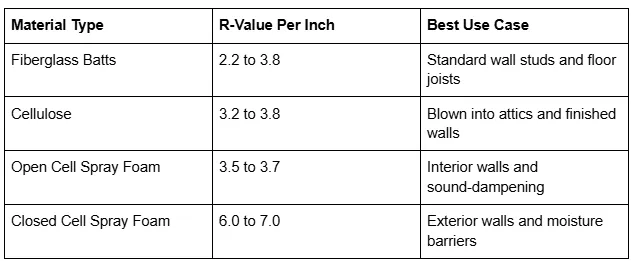
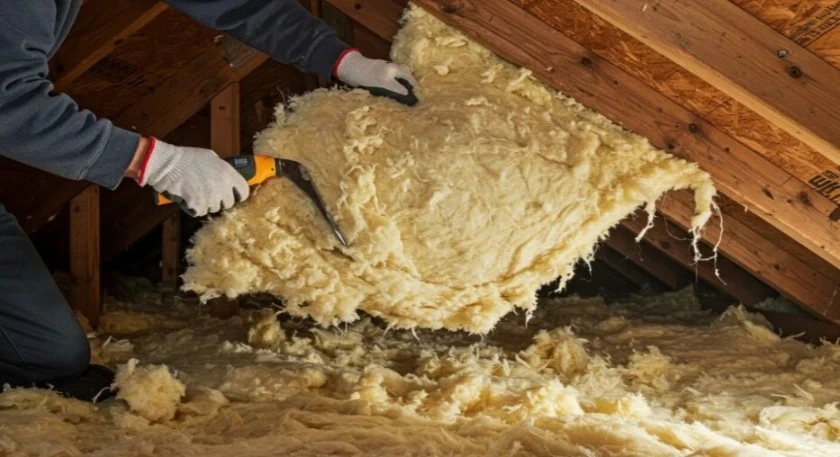
Fiberglass is one of the most common materials used in homes today because it is affordable and easy to find. It comes in long blankets called batts or as loose material that can be blown into small spaces. Cellulose is another popular choice made from recycled paper treated with fire retardants. Both of these options work well for filling large open areas like attics.
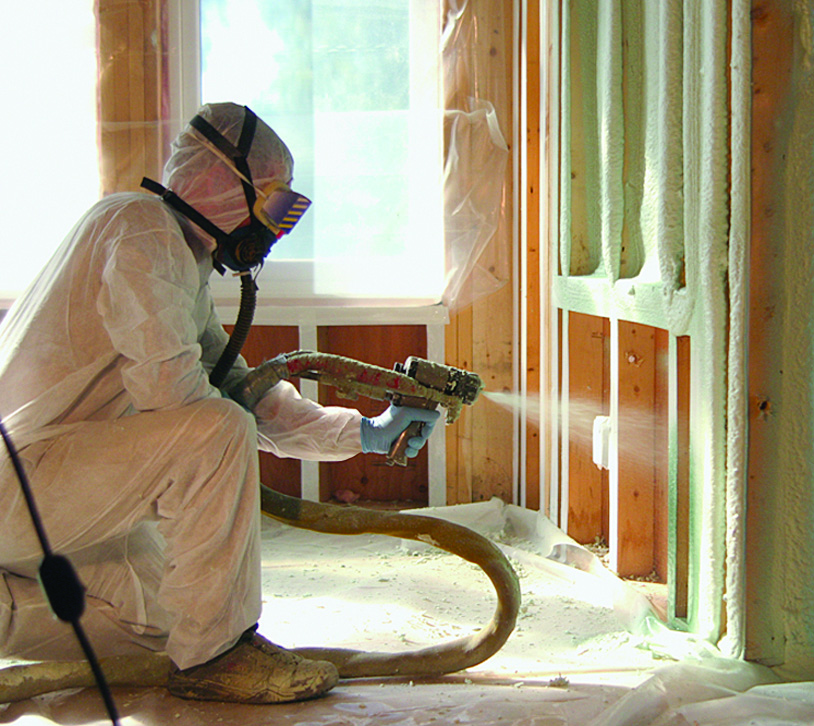
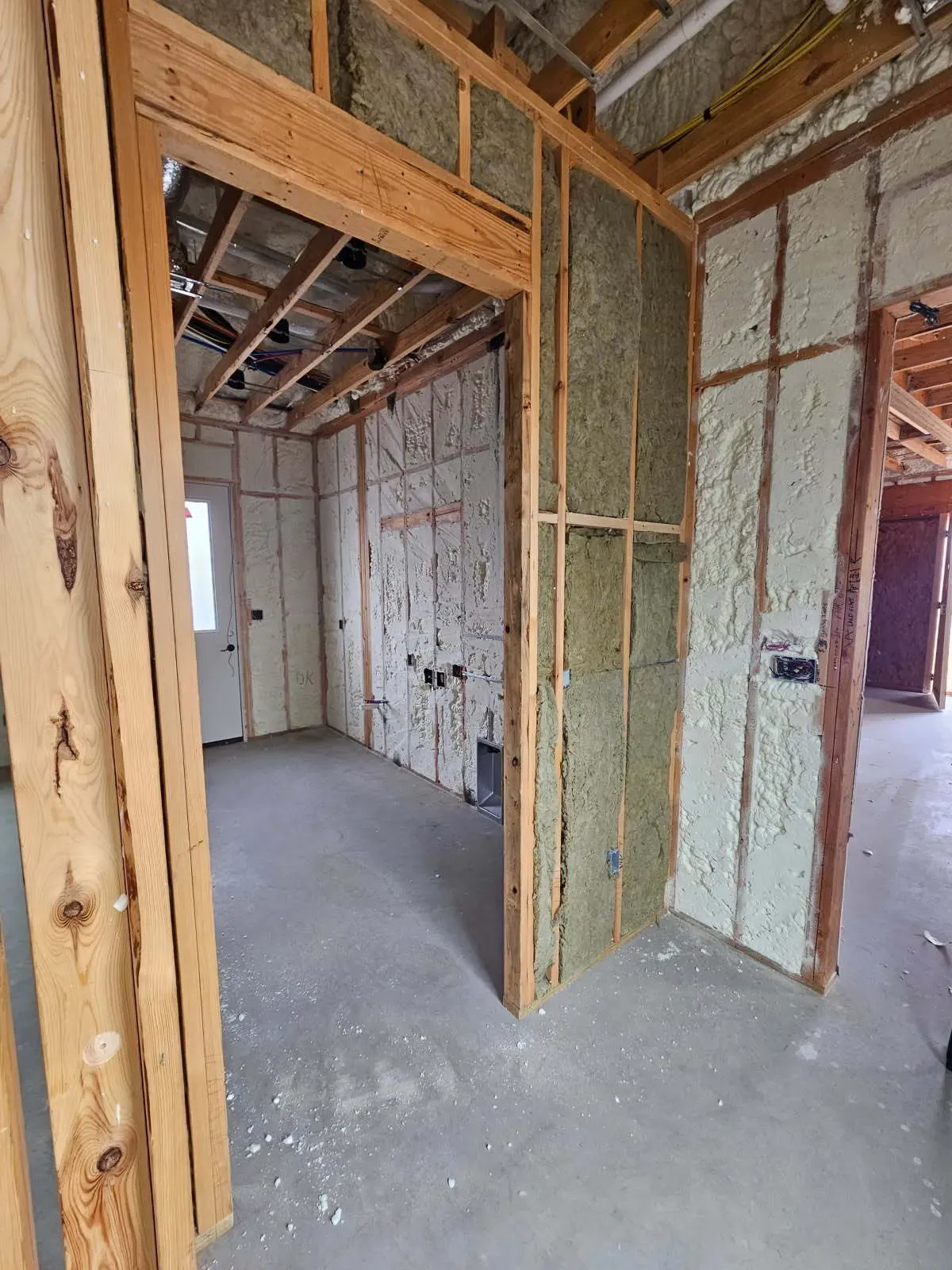
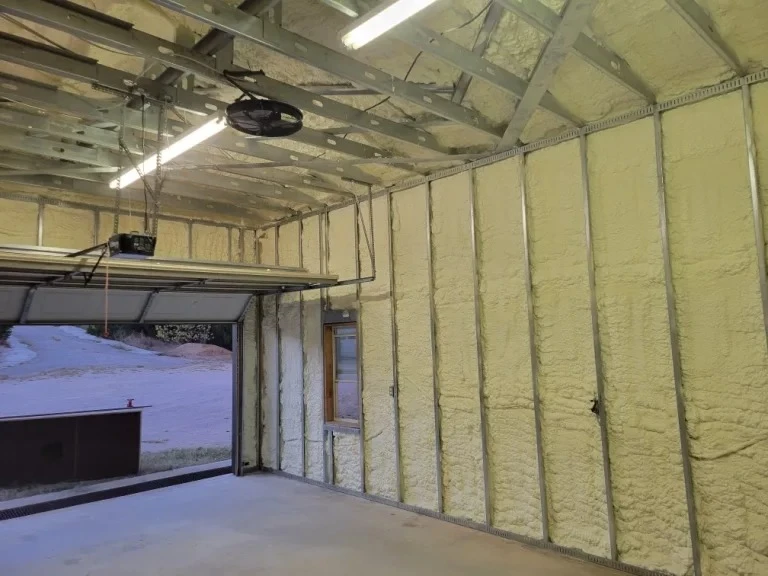
Spray foam is often chosen by a residential insulation contractor for its ability to seal air gaps while providing high thermal resistance. It expands to fill every crack and crevice, which stops drafts more effectively than traditional blankets. This material is great for hard-to-reach areas or homes with irregular wall shapes.
Open Cell vs Closed Cell Spray Foam
Open-cell foam is lighter and more flexible, making it good for soundproofing and general wall filling. It is usually less expensive than other foam types and works well in interior walls. However, it does not act as a water barrier, so it might not be the best choice for damp basements.
Closed-cell foam is much denser and serves as a strong barrier against both air and water. This type of foam can actually add strength to the walls of a house because it is so rigid. Many homeowners choose this for exterior walls or areas prone to high humidity.
Bonus Tip for Material Choice
When choosing materials, always ask about the settled R-value rather than just the initial rating. Some materials, like cellulose, can pack down over time, which might slightly change how well they work after a few years.
Identifying Air Leaks
Before adding any new material, it is a good idea to find where air is escaping. Common spots include around windows, doors, and where pipes go through the ceiling. Sealing these spots first makes the new materials work much better.
Regional Guidance for Different Climates
The climate where a person lives dictates what kind of protection their home needs. In northern areas with freezing winters, the goal is to keep as much heat inside as possible. In southern regions where the sun is very hot, the focus shifts to stopping radiant heat from entering the attic. A local residential insulation company will know the specific R-values required by state laws.
In hot and humid areas, moisture control is just as important as temperature control. If water vapor gets trapped inside walls, it can lead to mold or rot. Using materials that breathe or installing vapor barriers in the right spots can prevent these expensive problems.
Southern Climate Strategies
In places like Texas, the attic can reach very high temperatures during the summer. This heat then pushes down into the living spaces, forcing the air conditioner to work harder. Using radiant barriers along with thick material layers can stop a large portion of this heat transfer.
Professional residential insulation experts often suggest focusing on the attic floor first. This is where the biggest temperature difference exists between the house and the outside air. Adding extra protection here offers the fastest return on the money spent.
Managing Humidity in the South
High humidity can make a home feel much warmer than it actually is. Some materials can absorb moisture from the air, which can lower their ability to stop heat. Choosing moisture-resistant options helps maintain a healthy indoor environment and keeps the house dry.
Things to Consider Before Making a Decision
Choosing the right path for home improvement requires looking at several factors beyond just the price. Homeowners should think about how long they plan to stay in the house and what their biggest comfort issues are.
- Current energy bills compared to neighbors with similarly sized homes.
- The age of the existing materials and whether they show signs of damage or pests.
- Whether any family members have allergies to specific dust or fibers.
- The local building codes might require specific fire safety ratings.
- The total cost of the project versus the expected monthly savings on bills.
- The reputation and experience level of the person doing the work.
Evaluating Service Providers
Finding a reliable residential insulation contractor is the most important part of the process. A good professional will perform a full check of the home before giving a price. They should look for signs of old leaks, hidden air gaps, and spots where the current material has thinned ou
Ask for a written estimate that explains exactly what materials will be used and how thick they will be. A trustworthy residential insulation company will be happy to show proof of insurance and licensing. Reading reviews from other local homeowners can also provide a clear picture of their work quality.
Comparing Costs and Value
While some materials cost more upfront, they might save more money over the long term. It is smart to look at the total value instead of just the lowest bid. Higher quality materials often last longer and do a better job of stopping air leaks.
Checking References
Always ask for a few recent customers to call. Ask these people if the crew arrived on time and if they cleaned up the mess after finishing the job. A clean workspace is a sign of a professional team that cares about the home.

Bonus Tip for Hiring
Ask if the provider offers any special testing after the job is done. Some pros use thermal cameras to show exactly where the new material is working and to prove there are no remaining cold spots.
Scheduling the Work
The best time to do this work is during the spring or fall when temperatures are mild. This makes it easier for the workers to stay in the attic for long periods without getting too hot. It also prepares the home for the upcoming extreme seasons.
Common Questions About Home Efficiency
How do I know if I need more insulation?
If the home has uneven temperatures between rooms or if the energy bills are rising, it is a clear sign. A person can also look into the attic; if the material is below or level with the floor joists, more is likely needed.
Can I install these materials myself?
Some materials, like fiberglass batts, are easy for homeowners to handle with the right safety gear. However, spray foam and blown-in materials usually require special tools and training. Hiring a residential insulation contractor ensures the job is done safely and correctly.
How long does home insulation last?
Most materials, like fiberglass and spray foam, can last for 80 years or more if they stay dry. Cellulose can last about 20 to 30 years before it might need to be topped off. Always check for signs of sagging or moisture damage.
Will new insulation help with outside noise?
Yes, adding thick materials to the walls and attic helps block sounds from traffic, neighbors, and planes. Foam is particularly good at filling gaps where sound waves usually travel through the structure.
Is there a tax credit for energy efficiency?
Many governments offer tax credits or rebates for home energy upgrades. Homeowners should check local and federal programs to see if they can get money back for their project. A professional residential insulation company often knows about these current offers.
Final Steps for Homeowners
Improving a home with high-quality materials is a smart move for any property owner. It leads to lower bills, a more comfortable living space, and a higher resale value. Start by looking at the attic and identifying any drafts around the house. Once a plan is in place, comparing options from residential insulation experts will help ensure the best results. Every home is unique, so taking the time to pick the right material for the specific local climate is the best way to see a real difference in daily comfort.
Professional Assistance for Your Home
For those ready to improve their home comfort, Spray Foam Tech provides expert residential insulation services. They help homeowners identify the best materials for their specific needs and handle the installation process from start to finish. Interested parties can reach out to them via email at [email protected] or by calling (737) 777-9590. Their team is ready to answer questions and provide clear guidance on making any home more energy efficient.
Reviewer: Maria Lopez reviewed the article and brought 12 years of insulation industry experience to improve the guidance. Practical tips were added, and the content was made clearer and more useful for contractors working in the field every day.
























Sign in to leave a comment.