From furniture and mattresses to insulation and packaging, foam is more than just a cushioning material; it's a foundation of comfort, support, and performance across countless applications. Selecting the right foam is a decision that combines practicality with long-term value. When well-chosen foam is used, it not only enhances comfort but also withstands daily use and maintains its integrity over time.
Understanding the range of foam types is the first step toward making an informed choice. Each type of foam is designed with specific applications in mind, and selecting the appropriate one ensures that the final product performs as expected, saving both time and money.
Types of Foam and Their Applications
Foam is engineered to serve specific purposes, and each type comes with its own characteristics. Choosing the correct one ensures optimal results.
Memory foam Known for its body-contouring properties, memory foam is commonly used in mattresses, pillows, and seating cushions. Its ability to relieve pressure points makes it popular for sleep and orthopedic applications, while motion isolation helps reduce disturbances in shared beds. Some memory foams are infused with cooling gel, which helps regulate temperature and prevents the material from trapping heat, ensuring a cooler and more comfortable experience.
Polyurethane Foam Polyurethane foam, on the other hand, is a budget-friendly and adaptable option. Available in soft, medium, and firm varieties, it is commonly used in furniture, mattresses, packaging, and soundproofing as it comes in a range of densities and firmness levels. While it's affordable and lightweight, lower-density polyurethane may compress more quickly under frequent use.
High-Density Foam For projects that require long-lasting support, high-density foam is a reliable choice. Unlike softer polyurethane or memory foams, it maintains its shape and firmness over time, delivering consistent comfort in high-use furniture such as sofas, office chairs, and commercial seating. While memory foam offers body-contouring comfort and polyurethane provides a lightweight, flexible solution, high-density foam balances durability and support, making it ideal for pieces that seek frequent use.
Latex foam Latex foam presents a premium alternative, valued for its durability, natural resilience, and hypoallergenic qualities. Available in natural or synthetic forms, it resists dust mites and other allergens while providing responsive support. For insulation or structural applications, expanded (EPS) and extruded (XPS) polystyrene foams are preferred. EPS is lightweight and cost-effective, whereas XPS offers superior moisture resistance, making it suitable for construction and waterproofing tasks.
Key Considerations When Choosing Foam
Selecting the right foam requires balancing comfort, longevity, and the specific demands of the intended application. Density and firmness are two of the most important factors. High-density foams provide long-lasting support and shape retention, while softer, low-density foams may be suitable for decorative cushions or occasional-use seating. Firmness affects comfort levels: softer foams are ideal for pillows and toppers, medium-firm foams suit seating applications, and extra-firm options provide orthopedic support where needed.
The intended use of the foam also plays a crucial role in the decision. Upholstery and furniture benefit from high-density polyurethane or memory foam, while bedding and pillows often require the pressure-relieving properties of memory or latex foam. Acoustic applications and insulation call for specialised materials such as XPS or closed-cell foams, which also resist moisture and prevent mould growth. Understanding how the foam will be used helps ensure comfort, functionality, and durability over time. Allergies and health considerations cannot be overlooked. Hypoallergenic foams, like latex and certain memory foams, naturally resist dust mites and bacteria. Closed-cell foams prevent moisture absorption, supporting a healthier indoor environment. Choosing materials with minimal chemical additives can further reduce the risk of allergic reactions.
The Importance of Foam ThicknessThickness is as important as foam type and density because it directly influences comfort, support, and performance. In seating applications, thinner foams of 2–3 inches are best for decorative or light-use cushions, while medium thickness of 4–6 inches suits everyday chairs and sofas. For deep-seated or luxury furniture, 8 inches or more provides enhanced comfort and support.
For mattresses, thickness affects both support and pressure relief. Budget or children’s mattresses may measure 6–8 inches, standard mattresses for regular use typically range from 10–12 inches, and high-end, luxury mattresses often exceed 14 inches with multiple support layers. Similarly, soundproofing and insulation applications require varying thicknesses depending on the frequencies to be absorbed: thinner panels address mid-to-high frequencies, while thicker panels handle low frequencies and provide optimal noise control.
Custom Foam CuttingEven with the right foam type and thickness, standard sizes may not always meet project requirements. Custom-cut foam ensures precise dimensions for furniture, bedding, or specialty projects. Tailored foam provides better comfort, eliminates gaps, minimises material waste, and suits unique shapes such as RV interiors, boat seating, or medical cushions. Professional foam cutting guarantees that each piece performs as intended, supporting both functionality and longevity.
Maintaining Foam for LongevityProper maintenance extends the life of foam products. Regular cleaning, such as vacuuming and gentle spot cleaning, prevents dust, dirt, and allergens from accumulating. Rotating and flipping cushions or mattresses distributes wear evenly, reducing sagging. Foam should be protected from moisture using waterproof covers or by storing it in dry, ventilated areas, which helps prevent mold and deterioration. Ultimately, choosing the right foam is about aligning material properties with project needs to achieve lasting comfort and functionality. Considering type, density, thickness, and fit ensures that foam will perform reliably for years.
Selecting the right foam involves more than choosing a material; it requires considering density, firmness, thickness, and application to achieve long-lasting comfort and performance. For those undertaking furniture, bedding, or specialty projects, exploring suppliers who offer a wide range of quality foam options, including custom-cut solutions, can help ensure the ideal material for every need.
|
| For those seeking a wide range of quality foam solutions and expert advice tailored to specific projects, consulting reputable suppliers offers the best path to finding a material that fits every requirement perfectly. |
For projects ranging from furniture to specialty cushions, choosing the right supplier makes all the difference.
|
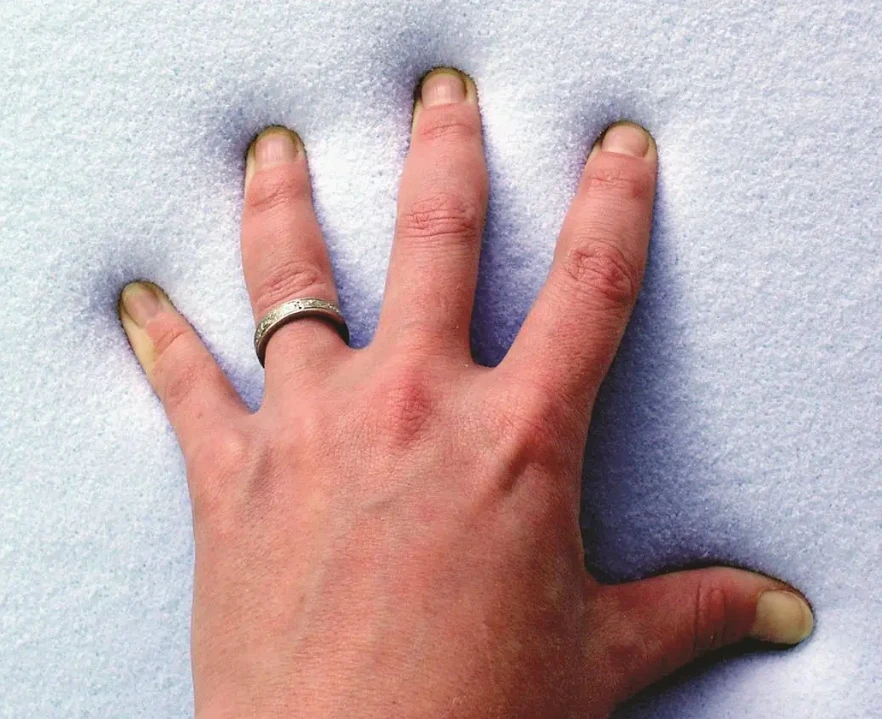
Complete Guide to Selecting Foam for Your Furniture & Bedding Projects
From furniture and mattresses to insulation and packaging, foam is more than just a cushioning material; it's a foundation of comfort, support, and p

More from Emily Michael
View all →Similar Reads
Browse topics →
5 Beautiful Brass-Accented Furniture Pieces for Luxury Interiors
 Lakecity Handicrafts · 14 min

Why designers love bone inlay furniture for luxury projects in 2025
Lakecity Handicrafts · 9 min

How Electricians in San Antonio Are Revolutionizing Home Energy Efficien…
 Q Electric · 9 min

What Are the Signs You Need Flat Roof Repair Long Island?
 flat roof repair long island · 12 min

🧼 Roof Cleaning Done Right What to Look for in a Professional Service
 Cedar Gutter Services · 3 min

Freestanding vs. Built-In Baths: Which One Should You Choose for Your Ho…
 Lily Bain · 9 min

Best Cargo Net Manufacturers for Logistics & Warehousing Safety | Arthi …
 Arthi Enterprises · 10 min

Best Blocks to Live in Hauz Khas: DDA Flats vs Builder Floors (Ground Re…

Why Aluminum Door and Window Manufacturers in Australia Are Trusted Worl…
 Perfect Media · 12 min
More in Home Improvement
Browse all in Home Improvement → Home Improvement
Steam Iron How to Use: A Complete Beginner’s Guide
 Wallex Appliances · 10 min
 Home Improvement
Choosing A Painter: Licensing And Insurance Checklist
 George Taylor · 6 min
 Home Improvement
How to Plan a Residential Repaint That Holds Up in Real Life (Not Just o…
 Florence Cooper · 14 min
 Home Improvement
Commercial Fencing in Tucson: What Businesses Need to Know
 Patrick Parker · 3 min
 Home Improvement
Custom Garage Wall Systems Omaha: Cost, Design Ideas & Complete Guide
 Garage Graphics · 7 min
 Home Improvement
The Ultimate Guide to Curating Your Dog’s Wardrobe: Style, Comfort, and …
 Tuna And Bear · 6 min
Sign in to leave a comment.