
A beautiful smile builds confidence, but a functional bite sustains your daily health.
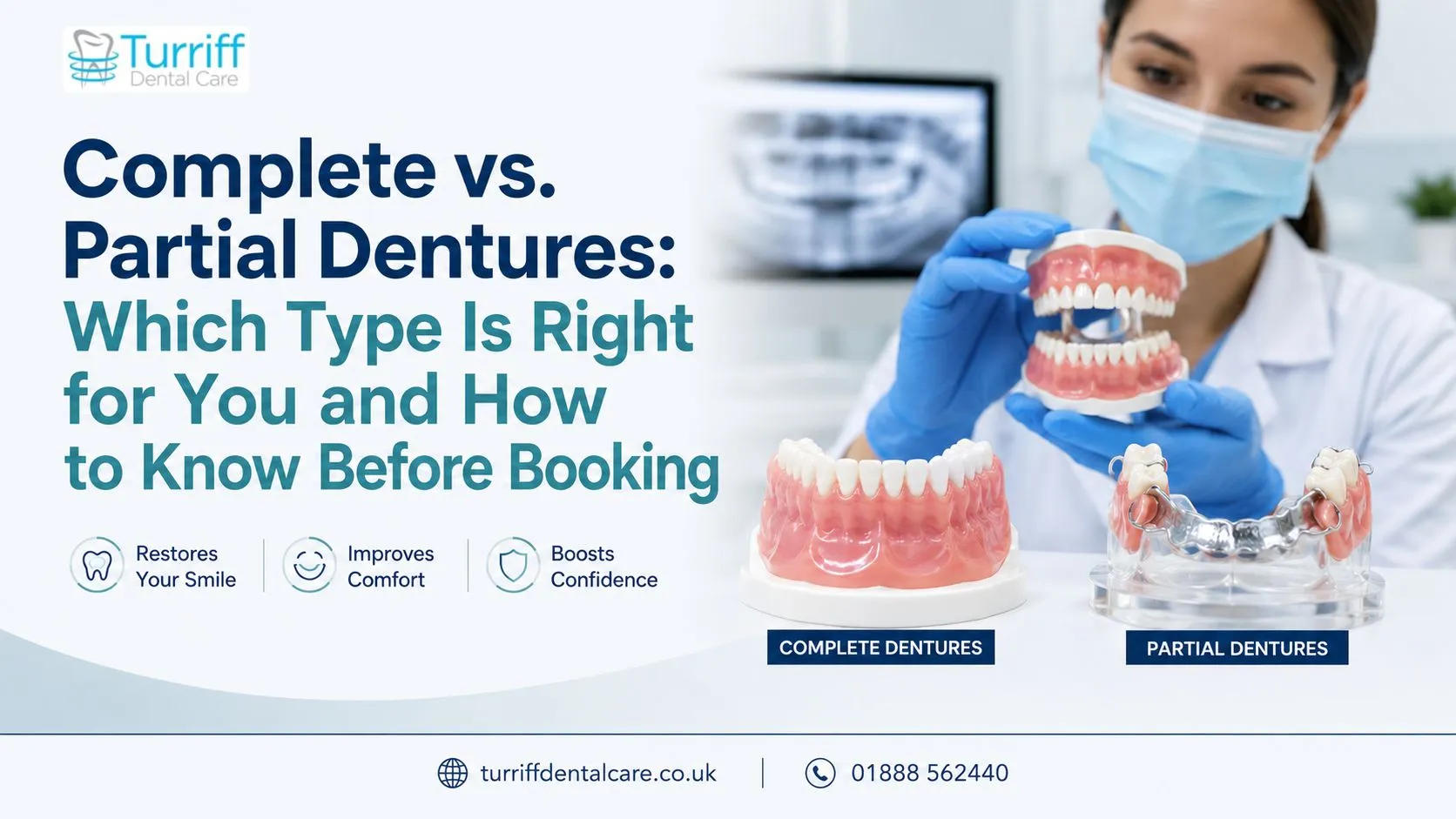
Complete dentures replace an entire upper or lower arch of missing teeth. Partial dentures are designed to fill specific gaps when you still have some natural teeth remaining. The choice entirely depends on the current state of your natural teeth and your overall oral health. You do not guess which option fits you best. Your dentist will evaluate your mouth to recommend the exact solution for your needs.
Gone are the days of uncomfortable, highly noticeable false teeth. Modern dental technology provides sleek, customized replacements that feel entirely natural. You can now restore your smile without invasive surgery. Read on to learn exactly how these two solutions differ.
What Are Dentures Exactly?
Dentures act as removable false teeth designed to fit over your gums. They serve as a non-invasive method to replace missing teeth quickly. These customized pieces improve damaged smiles while restoring normal chewing functions.
Modern dental clinics create these prosthetics specifically for your mouth shape. You can easily remove them for sleeping, relaxing, or daily cleaning. They provide a cost-effective way to fix gaps compared to permanent surgical implants. How to choose between complete and partial dentures relies on your specific dental exam.
Understanding Complete Dentures
Complete dentures are built for patients who require a full arch replacement. This means you have lost all teeth on the top, the bottom, or both sections of your jaw. Dentists recommend this route after significant tooth erosion, severe dental trauma, or chronic discomfort that forces total tooth removal.
Did you know? You do not walk around without teeth after an extraction. Dentists can fit immediate complete dentures the same day your teeth are removed.
Your mouth changes shape during the initial healing phase after extractions. This natural adjustment means your full dentures will likely need relining after a few months.
Understanding Partial Dentures
Partial dentures exist specifically to replace one missing tooth or multiple missing teeth in a row. They utilize a plastic, nylon, or metal plate that holds the new false teeth securely. This base piece conveniently clips onto your existing natural teeth for maximum stability.
The attachment gives you a very firm foundation for normal eating and speaking. Your natural teeth act as natural anchors. This prevents the prosthetic piece from shifting around uncomfortably during the day. Differences between full and partial dentures become very obvious when you look at the required support structure.
The Main Materials Used for Modern Dentures
Dental science offers a wide variety of excellent materials for your new teeth. You have multiple choices based on your budget, comfort needs, and aesthetic goals.
Here are the most common denture materials available today:
- Acrylic plastic provides a lightweight base that matches gum colors well.
- Metal options offer maximum durability and a thinner, more comfortable plate design.
- Flexible resins adapt easily to your mouth and do not require rigid metal clasps.
Did you know? PEEK dentures use advanced digital scanning instead of messy impression molds. This makes them the absolute best choice for patients with a sensitive gag reflex.
How to Know Which Dentures You Need?
Assess your current dental situation before setting up an appointment. Signs you need partial dentures include having healthy teeth remaining but struggling to chew food properly due to specific gaps.
You need a complete set if your remaining teeth are decayed, loose, or causing chronic pain. Complete replacement is necessary when saving natural teeth is not viable.
Here are quick tips to prepare for your consultation:
- Write down any pain you feel while chewing.
- Note any previous dental work or extractions.
- List any questions about daily maintenance.
The Professional Fitting Process
Getting a new smile requires precision and professional expertise. Your dentist takes physical impressions or digital scans of your mouth. These records go to a dental laboratory where technicians build your prosthetic piece.
The exact dentures cost and fitting process vary based on your chosen materials. PEEK technology allows for a digital process that guarantees a precise fit.
The dentist makes minor adjustments on the spot to ensure nothing pinches your gums. You leave the office with a fully restored, fully functional smile.
Important Daily Care and Maintenance
Proper hygiene keeps your new teeth looking pristine and smelling fresh. You must clean them daily, just like you would natural teeth.
Follow these simple steps for optimal care:
- Remove your teeth carefully over a sink filled with water.
- Brush them gently with a specialized soft-bristle brush.
- Soak them overnight in a professional cleaning solution to maintain moisture.
Never use harsh toothpaste or boiling water, as these can easily warp the custom shape.
Key Takeaways
- Complete replacements work for fully missing upper or lower arches.
- Partial replacements clip securely onto your existing healthy teeth to fill specific gaps.
- Modern materials like PEEK eliminate the need for uncomfortable, messy dental molds.
- Both options are entirely removable for easy sleeping and daily cleaning.
Frequently Asked Questions
Are partial dentures better than complete dentures?
Neither is inherently better. The right choice depends strictly on how many healthy, natural teeth you have left.
How long does it take to get used to wearing them?
Most patients adjust fully within a few short weeks. Your mouth simply needs time to adapt.
Can I sleep with my dentures in my mouth?
Dentists strongly recommend removing them at night. This gives your gums a rest and prevents harmful bacteria buildup.
How often should I replace my dental plates?
Most high-quality pieces last between five and ten years. Your jawbone changes shape over time, requiring periodic refitting.
Your Next Steps
Living with missing teeth affects your nutrition, confidence, and daily happiness. You deserve a comfortable solution that fits your lifestyle.
The experts at Turriff Dental Care provide exceptional service for anyone needing reliable tooth replacement. They offer everything from flexible acrylic options to advanced, impression-free PEEK technology. Their highly experienced team serves patients across the North East of Scotland.
If you want the best denture clinic in Turriff, they should be your absolute first choice. Contact Turriff Dental Care today to schedule a consultation and reclaim your smile.



























Sign in to leave a comment.