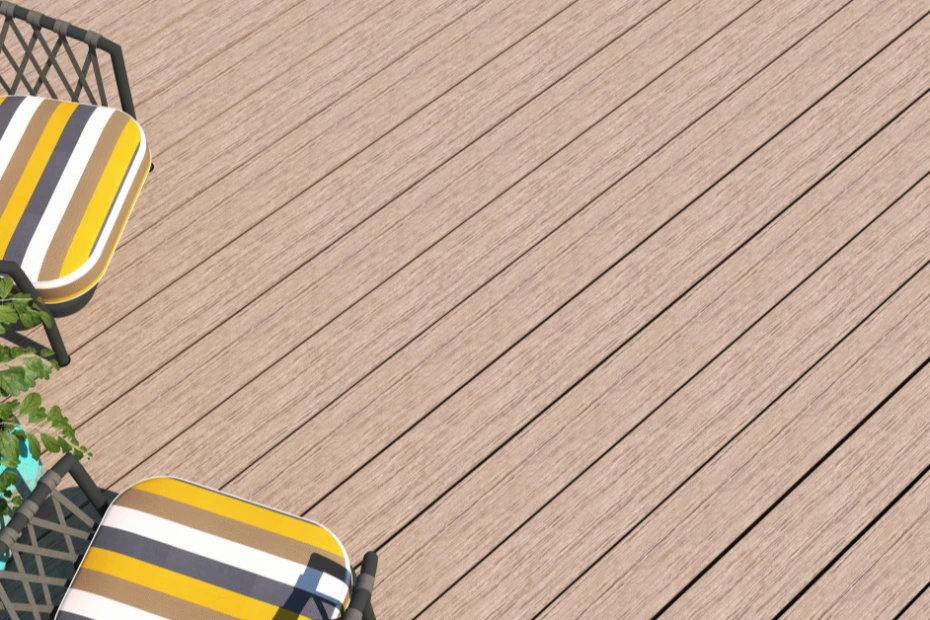

Outdoor living is a big part of life in Australia. Whether it is a weekend barbecue, a quiet morning coffee outside, or kids playing in the backyard, the deck is one of the most used spaces on a property. Getting it right matters, and the material you choose will affect how the space looks, how it performs over the years, and how much time you spend maintaining it.
Composite decking has grown steadily in popularity across the country over the past decade, and for good reason. It performs well in the Australian climate, it holds up against UV exposure and moisture, and it requires far less upkeep than timber. But it is not the right fit for every situation, and understanding what you are buying before spending money is always a good idea.
This article covers everything worth knowing about composite decking, from how it is made and how it performs to pricing, location-specific considerations, and how to get the most out of it over time.
What Composite Decking Actually Is
Composite lumber decking is made from a combination of wood fibre and recycled plastic, bonded together with binding agents and heat-formed into boards. The result is a material that looks similar to timber but behaves quite differently. It does not absorb water the way natural wood does, it does not splinter, and it resists the fading and cracking that typically shortens the lifespan of untreated timber decks.
The composition of the boards varies by product. Some use a higher ratio of wood fibre, which gives a more natural look and feel but may be slightly more susceptible to moisture over time. Others use a higher plastic content, which increases water resistance but can feel less natural underfoot. Most quality boards sit somewhere in the middle and are designed to balance appearance with performance.
Composite wood decking boards are typically manufactured with either a solid or hollow core. Solid boards are heavier and offer greater rigidity, which makes them better suited to high-traffic areas or commercial applications. Hollow boards are lighter and slightly more flexible, which can be useful on certain types of subframe structures. Both perform well in residential settings when installed correctly.
The surface finish on modern boards has improved significantly. Older composite products had a noticeably artificial look, but current manufacturing techniques produce boards with realistic wood grain textures that are difficult to distinguish from timber at a glance. Some products offer a reversible board with two different finishes on either side, which gives more flexibility when choosing the final appearance.
Understanding Composite Decking Prices
Cost is one of the first things people ask about, and it is worth being clear about what drives the numbers. Composite decking prices are generally higher than basic treated pine on a per-board basis, but that comparison does not tell the full story. The total cost of ownership over a decade or more is often lower for composite when maintenance costs are factored in.
Composite decking boards price ranges vary depending on the quality of the product, the board dimensions, and where you purchase them. Entry-level products are available at a lower price point, while premium boards with more realistic textures, better UV resistance, and longer warranties sit at the higher end. As a rough guide, composite boards in Australia typically range from around $30 to $80 per square metre for the boards alone, with significant variation depending on the specific product.
Installation costs add to the overall budget. Composite decking requires a properly built subframe, and the installation process takes some care to get right. Boards need to be installed with correct spacing to allow for expansion and contraction as temperatures change. Using the right fixings, whether surface screws or hidden clip systems, also affects both the finished look and the structural integrity of the deck. Getting a quote from an experienced installer is the most reliable way to understand the full cost for a specific project.
It is worth getting quotes for the complete job rather than just the boards. Some homeowners are surprised by the variation in installation rates between different contractors. The difference is usually explained by experience level, the quality of the subframe being proposed, and the type of fixings being used. A slightly higher installation quote from someone who builds decks regularly and uses quality materials is generally worth it over a lower quote from someone less experienced.
Composite Decking in Sydney
Composite decking Sydney installations have grown significantly in recent years, and the Sydney climate plays a role in that. Sydney summers are hot and humid, with intense UV exposure that fades and dries out untreated timber quickly. The combination of heat, sun, and occasional heavy rain creates conditions that make low-maintenance, weather-resistant materials a practical choice.
Sydney properties often feature elevated decks or outdoor entertaining areas that are exposed to the elements on multiple sides. Composite boards handle this exposure well. The UV stabilisers built into quality boards prevent the significant colour fading that occurs with cheaper alternatives, and the moisture resistance prevents the swelling and warping that can occur with timber in Sydney’s wetter months.
In Sydney’s property market, outdoor spaces add genuine value to a home. A well-built composite deck that looks good and requires minimal upkeep is an attractive feature for buyers. Homeowners who invest in quality decking materials tend to see that reflected when the property is eventually sold or rented. The long warranty periods on composite products also provide reassurance to prospective buyers who might otherwise be concerned about the condition of the outdoor area.
Planning permission requirements for decks in Sydney vary by council and by the height and size of the structure. Before starting any significant decking project, it is worth checking with the local council whether approval is needed. A builder or installer familiar with Sydney regulations can usually advise on this quickly.
Composite Decking in Brisbane
Composite decking Brisbane suits the subtropical Queensland climate particularly well. Brisbane experiences high humidity, heavy summer rainfall, and intense year-round sun. These are exactly the conditions that cause untreated or poorly maintained timber decks to deteriorate faster than expected.
The humidity in Brisbane creates conditions where timber can absorb moisture, swell, and then dry out and crack repeatedly through the seasons. This cycle accelerates wear and creates maintenance demands that many homeowners find difficult to keep up with. Composite materials are much less affected by this cycle. They do not absorb moisture in the same way, and their dimensional stability in changing humidity conditions is significantly better than natural timber.
Brisbane’s outdoor lifestyle means decks in this city get heavy use. Pools, outdoor kitchens, and entertainment areas are common features of Brisbane homes, and the deck connects these spaces. A material that holds up to foot traffic, pool chemicals, and constant sun exposure without constant attention makes practical sense in this context. Many Brisbane homeowners report that switching from timber to composite eliminated the annual pre-summer maintenance routine entirely.
Mould and mildew can be a concern in humid environments. Quality composite boards are designed to resist mould growth, but it is worth checking the specific product’s specifications and cleaning recommendations for humid climates before purchasing. A simple rinse with water and a stiff brush after the wet season is typically sufficient to keep composite boards looking clean in Brisbane conditions.
Composite Decking on the Gold Coast
Composite decking Gold Coast is an increasingly popular choice for properties in this coastal region. The combination of sun, salt air, and beachside humidity creates a demanding environment for outdoor materials. Timber exposed to salt air requires more frequent maintenance and can deteriorate faster than in inland locations, making composite a particularly sensible choice for homes close to the coast.
Salt air accelerates corrosion and can affect the fixings used in a timber deck over time. Quality composite decking systems use stainless steel or coated fixings that are specifically rated for coastal environments, which reduces the risk of rust and corrosion affecting the structure of the deck. When combined with the moisture and UV resistance of the boards themselves, this makes composite a better long-term investment for Gold Coast properties than timber alternatives.
The Gold Coast property market is competitive, and outdoor entertaining spaces are a key selling point for homes in this area. A composite deck that still looks good after five or ten years in a coastal environment is a stronger asset than a timber deck that requires significant work before the property goes to market. Buyers in this area are often familiar with the maintenance demands of coastal properties and appreciate features that reduce ongoing upkeep.
Pool surrounds are a common application on the Gold Coast, where outdoor pools are standard features. Composite boards used around pools need to be rated for wet conditions and should have a slip-resistant surface. Most quality composite products designed for Australian conditions meet these requirements, and checking the product’s slip rating before buying for a pool area is a straightforward step.
Composite Decking in Melbourne
Composite decking Melbourne addresses a different set of climate challenges compared to the northern states. Melbourne is known for its variable weather, with hot dry summers, cold winters, and significant temperature swings that can occur within a single day. This range of conditions places different demands on outdoor materials than the consistent heat and humidity of Queensland.
Timber decks in Melbourne are subject to significant expansion and contraction as temperatures change, which leads to warping, splitting, and loose boards over time. Composite boards handle thermal movement better than timber, and quality products are designed with controlled expansion rates that allow them to be installed with appropriate spacing to accommodate movement without compromising the structure or appearance of the deck.
Winter in Melbourne can bring extended wet periods, and a deck surface that stays wet for long periods is a potential slip hazard. Quality composite boards with textured surfaces maintain their slip resistance when wet, which is a practical safety consideration for a city that gets significant winter rainfall. This is worth confirming with the supplier for any specific product being considered.
Melbourne homeowners often use their outdoor spaces year-round, with heaters and pergolas making outdoor entertaining possible even in cooler months. A composite deck that holds up well across all seasons supports this lifestyle without requiring extra preparation or treatment as the weather changes. The ability to simply clean the deck and use it regardless of the season is one of the more underrated advantages for Melbourne conditions specifically.
Composite Decking Across Australia
Composite decking Australia wide is sold through timber yards, building suppliers, and specialist decking retailers. Availability has improved significantly as demand has grown, and most major cities now have multiple suppliers carrying a range of products at different price points.
Buying locally where possible has practical advantages. Local suppliers understand the specific climate demands of the region, can give advice based on experience with similar projects nearby, and make it easier to handle warranty claims or additional orders if extra material is needed. Building a relationship with a local supplier also makes it easier to get consistent product if additional boards are needed years later for repairs or extensions.
Composite decking boards vary considerably between suppliers and products, and not all boards marketed as composite are built to the same standard. Checking the warranty terms, the UV rating, the slip resistance rating, and the moisture absorption specification gives a clear picture of how a product will perform in real conditions. A supplier who can provide these specifications clearly and explain them in plain terms is worth dealing with.
































Sign in to leave a comment.