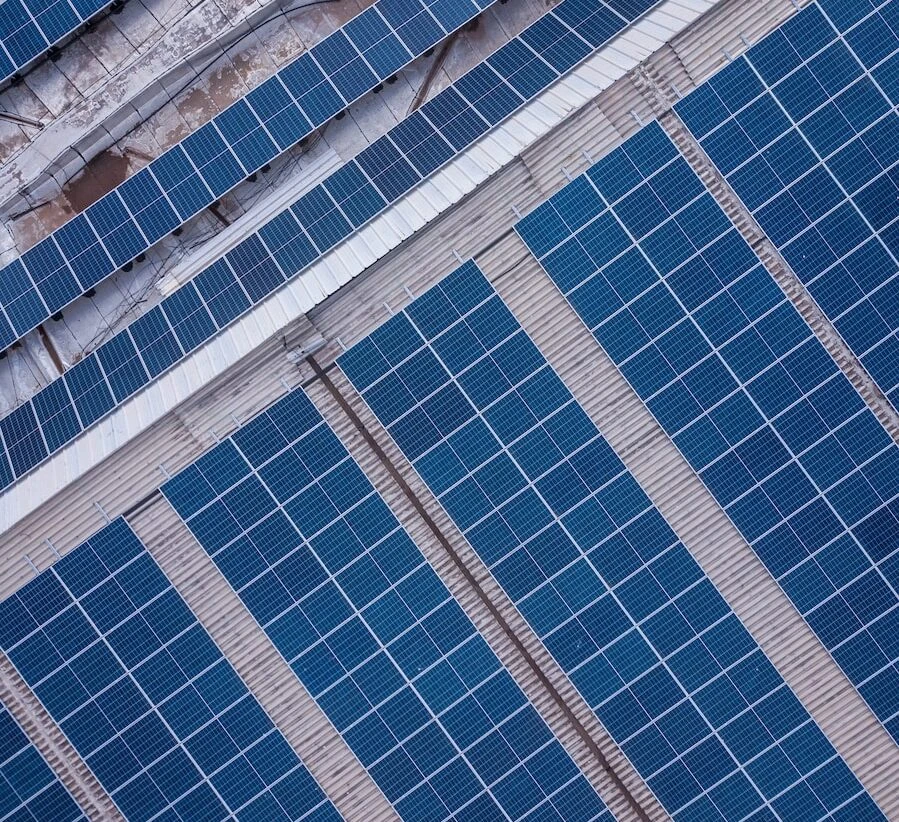

Introduction to 30kW Solar Systems
A 30kW Solar System is an ideal solution for medium to large businesses and commercial properties looking to significantly reduce their energy costs while contributing to environmental sustainability. This size system provides substantial energy output, which can power various operations, reducing dependence on the grid and enhancing energy independence.
Benefits of a 30kW Solar System
Financial Savings
Investing in a 30kW solar system offers considerable financial savings. By generating your own electricity, you can drastically reduce or even eliminate your energy bills. Additionally, many regions offer incentives, tax credits, and rebates for solar installations, further enhancing the financial viability of such systems.
Environmental Impact
Switching to solar energy significantly reduces carbon footprints. A 30kW system can prevent thousands of kilograms of CO2 emissions annually, contributing to cleaner air and a healthier environment. By utilizing renewable energy, businesses demonstrate corporate social responsibility, which can positively impact their reputation and customer relationships.
Energy Independence
A 30kW solar system can provide a significant portion of your energy needs, reducing reliance on external power sources. This independence protects against fluctuating energy prices and potential outages, ensuring a more stable and predictable energy supply.
Components of a 30kW Solar System
Solar Panels
The core component of any solar system, solar panels, capture sunlight and convert it into electricity. For a 30kW system, approximately 100-120 high-efficiency panels are required, depending on the specific panel wattage and available roof or ground space.
Types of Solar Panels:
Monocrystalline Panels: Known for their high efficiency and sleek appearance, these panels are made from single-crystal silicon and offer the highest performance in terms of energy output per square foot.Polycrystalline Panels: Made from silicon crystals, these panels are slightly less efficient than monocrystalline but are more cost-effective and have a shorter payback period.Inverters
Inverters convert the direct current (DC) generated by the solar panels into alternating current (AC) used by most appliances and machinery. A 30kW system typically uses one or more inverters to handle the power conversion efficiently.
Types of Inverters:
String Inverters: These are connected to a series of panels (a string) and are the most common type used in solar installations. They are cost-effective but can be less efficient if there is shading on any part of the string.Microinverters: Installed on each solar panel, they optimize the performance of individual panels and are ideal for complex roof structures with shading issues. However, they are more expensive than string inverters.Mounting Systems
Mounting systems secure the solar panels to the roof or ground. These systems are designed to withstand various weather conditions and optimize the angle and orientation of the panels for maximum sunlight exposure.
Types of Mounting Systems:
Roof-Mounted Systems: Suitable for buildings with sufficient roof space and the right orientation, these systems are installed directly on the roof.Ground-Mounted Systems: Ideal for properties with ample land, these systems allow for optimal panel orientation and ease of maintenance.Monitoring Systems
Monitoring systems track the performance of the solar panels, inverters, and overall system. These systems provide real-time data on energy production and system health, enabling proactive maintenance and ensuring optimal performance.
Features of Monitoring Systems:
Real-Time Monitoring: Provides instant data on energy production and system status.Alerts and Notifications: Alerts users to potential issues, allowing for quick resolution and minimizing downtime.Historical Data Analysis: Offers insights into energy production trends over time, helping to optimize system performance.Installation Process
Site Assessment
The first step in installing a 30kW solar system is a thorough site assessment. This involves evaluating the roof or ground space, shading, orientation, and structural integrity to ensure the site is suitable for solar installation.
Key Aspects of Site Assessment:
Shading Analysis: Identifies potential shading obstacles that could impact system performance.Structural Analysis: Ensures that the roof or ground can support the weight of the solar panels and mounting system.Orientation and Tilt: Determines the optimal angle and direction for panel installation to maximize sunlight exposure.Design and Permitting
After the site assessment, a custom system design is created to maximize energy production and efficiency. This design must be approved by local authorities, and necessary permits must be obtained before installation can begin.
Steps in Design and Permitting:
System Design: Includes layout of solar panels, inverters, and other components to optimize performance.Permit Applications: Involves submitting the system design to local authorities for approval and obtaining necessary permits for installation.Utility Interconnection: Ensures that the system can be connected to the local utility grid for net metering or feed-in tariffs.Installation
The installation process involves mounting the solar panels, connecting the inverters, and integrating the monitoring systems. This typically takes several days to a few weeks, depending on the complexity of the installation.
Phases of Installation:
Mounting System Installation: Involves setting up the framework to hold the solar panels.Panel Installation: Panels are mounted and securely fastened to the framework.Electrical Wiring: Connects the panels to the inverters and monitoring system.System Testing: Ensures that all components are functioning correctly before final commissioning.Inspection and Commissioning
Once installation is complete, the system undergoes a final inspection to ensure it meets all safety and performance standards. After passing the inspection, the system is commissioned and begins generating electricity.
Inspection and Commissioning Steps:
Local Authority Inspection: Verifies that the installation complies with local building codes and safety standards.Utility Inspection: Ensures that the system is safe to connect to the grid.System Commissioning: Involves turning on the system and verifying that it produces electricity as expected.Maintenance and Monitoring
Regular Maintenance
A 30kW solar system requires minimal maintenance, but regular inspections and cleaning are necessary to ensure optimal performance. This includes checking for debris, inspecting electrical connections, and monitoring panel output.
Maintenance Tasks:
Panel Cleaning: Removes dirt and debris that can reduce panel efficiency.Visual Inspections: Identifies potential issues such as damaged panels or loose connections.Performance Monitoring: Tracks energy production to ensure the system is operating at peak efficiency.System Monitoring
Ongoing monitoring allows for the early detection of any issues and ensures the system operates at peak efficiency. Monitoring systems provide detailed performance data, enabling swift response to any potential problems.
Benefits of System Monitoring:
Proactive Maintenance: Identifies issues before they become significant problems, minimizing downtime.Performance Optimization: Helps to fine-tune system performance for maximum energy production.Energy Management: Provides insights into energy usage patterns, allowing for better energy management and cost savings.Cost and Return on Investment
Initial Investment
The initial cost of a 30kW solar system can vary based on location, equipment quality, and installation complexity. On average, such a system may cost between $40,000 to $60,000 before incentives and rebates.
Factors Influencing Cost:
Equipment Quality: Higher quality panels and inverters may cost more but offer better performance and longevity.Installation Complexity: Factors such as roof type, system size, and location can impact installation costs.Labor Costs: Installation labor costs can vary depending on local wage rates and contractor experience.Incentives and Rebates
Various financial incentives are available to offset the initial investment. These include federal and state tax credits, rebates from utility companies, and grants for renewable energy projects. These incentives can significantly reduce the net cost of the system.
Common Incentives:
Federal Tax Credits: In the United States, the Investment Tax Credit (ITC) allows businesses to deduct a significant portion of the installation cost from their federal taxes.State and Local Incentives: Many states and local governments offer additional incentives, such as rebates, grants, and tax deductions.Utility Rebates: Some utility companies offer rebates for installing solar systems, further reducing the overall cost.Return on Investment
The ROI for a 30kW solar system is typically achieved within 5 to 8 years, depending on energy prices and the availability of incentives. After this period, the system provides essentially free electricity, translating into substantial long-term savings.
Calculating ROI:
Energy Savings: The primary financial benefit comes from reduced energy bills.Incentives: Financial incentives can significantly shorten the payback period.System Lifespan: Solar panels typically have a lifespan of 25-30 years, providing decades of savings after the initial investment is recouped.Financial Planning
Investing in a 30kW solar system requires careful financial planning to ensure it aligns with your business's long-term goals.
Steps for Financial Planning:
Cost-Benefit Analysis: Evaluate the potential savings versus the initial investment.Financing Options: Consider various financing options, such as loans, leases, or power purchase agreements (PPAs).Energy Price Forecasting: Analyze future energy price trends to estimate long-term savings accurately.Conclusion
Investing in a 30kW Solar System offers numerous benefits, including significant financial savings, reduced environmental impact, and enhanced energy independence. By understanding the components, installation process, and maintenance requirements, businesses can make informed decisions and maximize the return on their solar investment. The long-term benefits of a 30kW solar system extend beyond immediate cost savings, contributing to a more sustainable and resilient energy future.























Sign in to leave a comment.