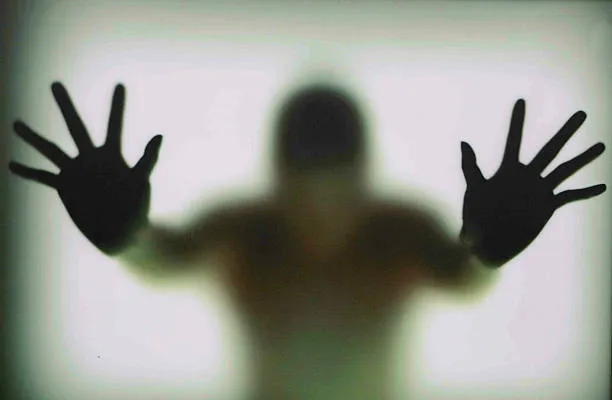

Serial killer movie directors create suspense by carefully controlling how much information the audience receives at any given moment. Instead of revealing everything upfront, they slowly distribute clues, details, and perspectives. This controlled pacing keeps viewers constantly trying to predict what will happen next, which naturally builds tension. The less the audience knows, the more their imagination fills in the gaps.
This technique is especially effective in serial killer movie narratives because uncertainty is central to the fear. Directors often show fragments of the killer’s actions without fully explaining their identity or motives. By withholding key information, they create a psychological imbalance where the audience feels slightly ahead at times but never fully in control. That uncertainty becomes the foundation of suspense.
Strategic Use of Camera Angles and Framing
Camera work plays a major role in creating suspenseful scenes. Directors often use tight framing, unusual angles, and limited visibility to make viewers feel confined or uncertain. A narrow frame can suggest that something is just outside the shot, while low or high angles can distort perception and create unease.
In serial killer films, the camera is often used as a “hidden observer,” mimicking the perspective of the unknown killer or an unseen witness. This creates a feeling that someone is always watching. Even simple scenes become tense when the audience is unsure of what might appear in the edges of the frame. This visual manipulation makes suspense feel immediate and physical.
Sound Design and Silence as Psychological Tools
Sound design is one of the most powerful tools for building suspense. Directors often use silence strategically, removing background noise to heighten audience awareness. When a scene becomes quiet, even the smallest sound—footsteps, breathing, or distant movement—feels amplified and significant.
In contrast, sudden shifts in sound can be equally impactful. A quiet scene interrupted by a sharp noise or musical cue triggers an instinctive reaction. Serial killer films often alternate between silence and subtle, unsettling audio patterns to keep viewers in a constant state of alertness. This manipulation of sound creates tension even when nothing visually dramatic is happening.
Pacing and the Slow Burn Effect
Suspense in serial killer movies is rarely created through constant action. Instead, directors rely on slow pacing to build anticipation over time. Long, quiet scenes allow tension to accumulate gradually, making the audience more sensitive to small changes in behavior or environment.
This “slow burn” approach mirrors real anxiety, where fear often grows during waiting rather than during immediate danger. By extending moments of uncertainty, directors make viewers sit with discomfort. When something finally does happen, the emotional impact is much stronger because the tension has been carefully built up over time.
Character Perspective and Emotional Investment
Directors also create suspense by aligning the audience closely with specific characters. When viewers follow a victim, detective, or witness closely, they begin to experience events through that character’s limited knowledge. This restricted perspective naturally increases tension because the audience knows only what the character knows.
In serial killer films, this technique is especially powerful because it places viewers in vulnerable positions. Watching a character unknowingly approach danger creates anticipation and dread. The emotional investment in the character’s survival makes every small decision feel significant, amplifying suspense throughout the scene.
Visual Foreshadowing and Subtle Clues
Suspenseful scenes often contain hidden or subtle visual clues that hint at future events. Directors may place objects, shadows, or background details that seem unimportant at first but gain meaning later. This technique rewards attentive viewers while also creating subconscious tension.
Even when audiences do not consciously notice these clues, their presence affects perception. The brain senses that something is “off,” which increases unease. In serial killer films, this foreshadowing often relates to danger lurking nearby, reinforcing the idea that threat is always present, even when not directly visible.
Editing Techniques and Timing of Reveals
Editing is crucial in shaping suspense. Directors carefully control the timing of cuts, reveals, and scene transitions to manipulate emotional rhythm. A delayed cut can extend anticipation, while a sudden cut can shock the viewer. By controlling timing, editors shape how tension rises and falls.
In serial killer movies, quick cuts are often used during moments of discovery or danger, while slower cuts are used during buildup. This contrast keeps the audience emotionally engaged. The timing of reveals—such as showing the killer, the victim, or the crime scene—determines how suspenseful the moment feels.
Why These Techniques Stay Effective
All of these methods work together because they target both psychological and sensory responses. Suspense is not created by a single trick but by layering multiple elements—sound, visuals, pacing, and narrative control. Serial killer movie directors understand that fear is strongest when it is implied rather than shown directly.
Ultimately, the effectiveness of these scenes comes from their ability to engage imagination. By limiting information and carefully guiding attention, directors make viewers active participants in building tension. This involvement is what makes suspense feel so real, immersive, and unforgettable long after the scene has ended.
Conclusion
Serial killer movie directors create suspenseful scenes by carefully shaping what the audience sees, hears, and understands at every moment. Instead of relying on constant action or obvious scares, they build tension through restraint—controlling information, pacing, and perspective so that fear grows gradually rather than instantly. This slow construction of uncertainty is what makes the experience so gripping.
What ties all these techniques together is their focus on the viewer’s imagination. Camera angles suggest unseen presence, sound design manipulates anticipation, and editing controls emotional rhythm, while storytelling limits knowledge to keep the audience guessing. Each element works in harmony to keep the mind alert and unsettled, even during quiet moments.




























Sign in to leave a comment.