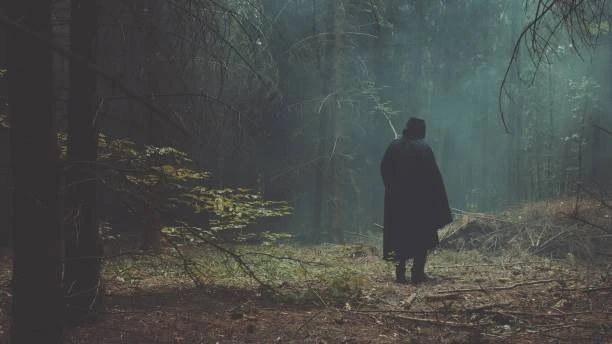

Survival horror movies have always thrived on suspense, tension, and the fear of the unknown. But while the original films often shock audiences with their fresh ideas and chilling atmospheres, sequels face the daunting task of living up to that legacy. Some stumble, feeling repetitive or predictable—but others rise above, amplifying the scares, expanding the story, and delving deeper into the psychological and emotional layers of terror.
These exceptional sequels don’t just replicate what made the first film successful—they innovate. By introducing new threats, evolving characters, exploring deeper fears, and experimenting with cinematic techniques, they create experiences that are even more intense, immersive, and unforgettable. In this blog, we’ll explore how survival horror movie sequels have managed to outshine their originals, transforming familiar narratives into heightened journeys of fear that leave audiences gripping their seats long after the credits roll.
The Challenge of Sequels in Horror
Survival horror sequels face a unique challenge: they must retain the tension and fear of the original while introducing fresh elements to keep audiences engaged. Sequels often struggle because the suspense in the first film stems from novelty and the unknown; once audiences are familiar with the formula, it’s harder to shock or terrify them. However, some sequels successfully build upon the foundation of the original, expanding the story, deepening character development, and increasing stakes to create an even more immersive experience.
Directors of successful horror sequels often identify what made the original impactful—whether it’s atmosphere, pacing, or character vulnerability—and amplify it. They introduce new locations, threats, or psychological layers to elevate tension. By respecting the source material while innovating, these films surpass their predecessors, proving that sequels can be more than mere cash grabs—they can be masterpieces of suspense and terror in their own right.
Expanding the Universe
One key way sequels surpass the original is by expanding the story universe. Where the first film may focus on a single setting or character, the sequel explores broader locations, new antagonists, or the origins of the threat. This expansion not only adds narrative depth but also increases tension, as audiences realize the danger is larger and more complex than initially imagined.
Sequels also introduce subplots and supporting characters that enrich the story. By providing more context, background, or motivation for both heroes and villains, filmmakers give audiences a stronger emotional connection. The expanded universe allows for layered suspense, creating stakes that feel higher and consequences more terrifying, ultimately surpassing the relatively contained tension of the original.
Deeper Psychological Horror
Many survival horror sequels surpass the original by delving deeper into psychological terror. While the first film may rely on jump scares or isolated tension, sequels explore fear through character psyche, moral dilemmas, and emotional trauma. Audiences experience terror not just from external threats but from the internal struggles of characters as they face extreme situations.
By blending external danger with psychological tension, sequels heighten suspense in ways the original could not. Directors use flashbacks, hallucinations, or distorted perceptions to unsettle viewers, making them question what is real. This deeper exploration of fear adds sophistication to the narrative, allowing sequels to surpass their predecessors in intensity and engagement.
Amplified Visuals and Atmosphere
Technological advances often allow sequels to surpass the original through enhanced visuals, cinematography, and special effects. Dark, claustrophobic spaces, intricate creature designs, and dynamic lighting create a more immersive horror experience. Sweeping camera angles, tracking shots, and atmospheric set designs intensify tension and draw audiences deeper into the story.
Improved sound design also plays a critical role. Distorted noises, sudden crescendos, and subtle ambient sounds heighten suspense, making every moment unpredictable. By combining technical mastery with creative storytelling, sequels can surpass the original in both scare factor and cinematic sophistication, creating a richer, more memorable horror experience.
Character Development and Emotional Stakes
Sequels often succeed by developing characters more fully than the original. Audiences become more invested when protagonists face heightened emotional stakes or confront unresolved trauma from previous events. This emotional depth increases tension, as viewers fear not only the threat but also the personal consequences for characters they care about.
Supporting characters also gain significance in sequels, adding layers to interpersonal dynamics. Conflicts, alliances, and betrayals create suspense that goes beyond physical danger. By making audiences care deeply about who survives and who perishes, sequels enhance the terror and emotional impact, often surpassing the first film’s intensity.
Innovative Threats and Scares
Successful survival horror sequels introduce new threats or evolve existing antagonists to maintain unpredictability. Monsters may gain new abilities, threats may become more pervasive, or the rules of the horror world may shift. These innovations prevent fatigue and keep audiences engaged, ensuring that fear remains fresh and unexpected.
Sequels also experiment with scare techniques, balancing jump scares with suspenseful build-ups, environmental tension, and psychological terror. By evolving both the antagonist and the cinematic approach, filmmakers create a sequel that feels elevated, surprising, and more terrifying than the original, proving that innovation is key to surpassing expectations.
Legacy and Cultural Impact
Many horror sequels surpass the original because they leave a lasting impact on both audiences and the genre. They become cultural touchstones, influencing future filmmakers and setting new standards for suspense, scares, and storytelling. Successful sequels prove that growth, innovation, and risk-taking can elevate a franchise beyond its initial success.
By combining expanded worlds, psychological depth, technical mastery, and emotional investment, these films achieve a rare feat: surpassing their predecessors while honoring what made the original beloved. They demonstrate that sequels in survival horror are not just extensions—they can redefine fear, leaving a legacy that resonates long after the credits roll.
Conclusion: When the Sequel Outshines the Original
Survival horror sequels that surpass the original succeed by building upon the foundation of suspense, deepening psychological terror, expanding the universe, and amplifying emotional stakes. Through innovation in visuals, sound, and narrative, they elevate fear to new heights while maintaining the essence of the franchise.
These sequels prove that horror can evolve without losing its impact, creating experiences that are richer, more intense, and more memorable than the first installment. They remind audiences that in the world of survival horror, sometimes the second journey is even more terrifying—and unforgettable—than the first.










Sign in to leave a comment.