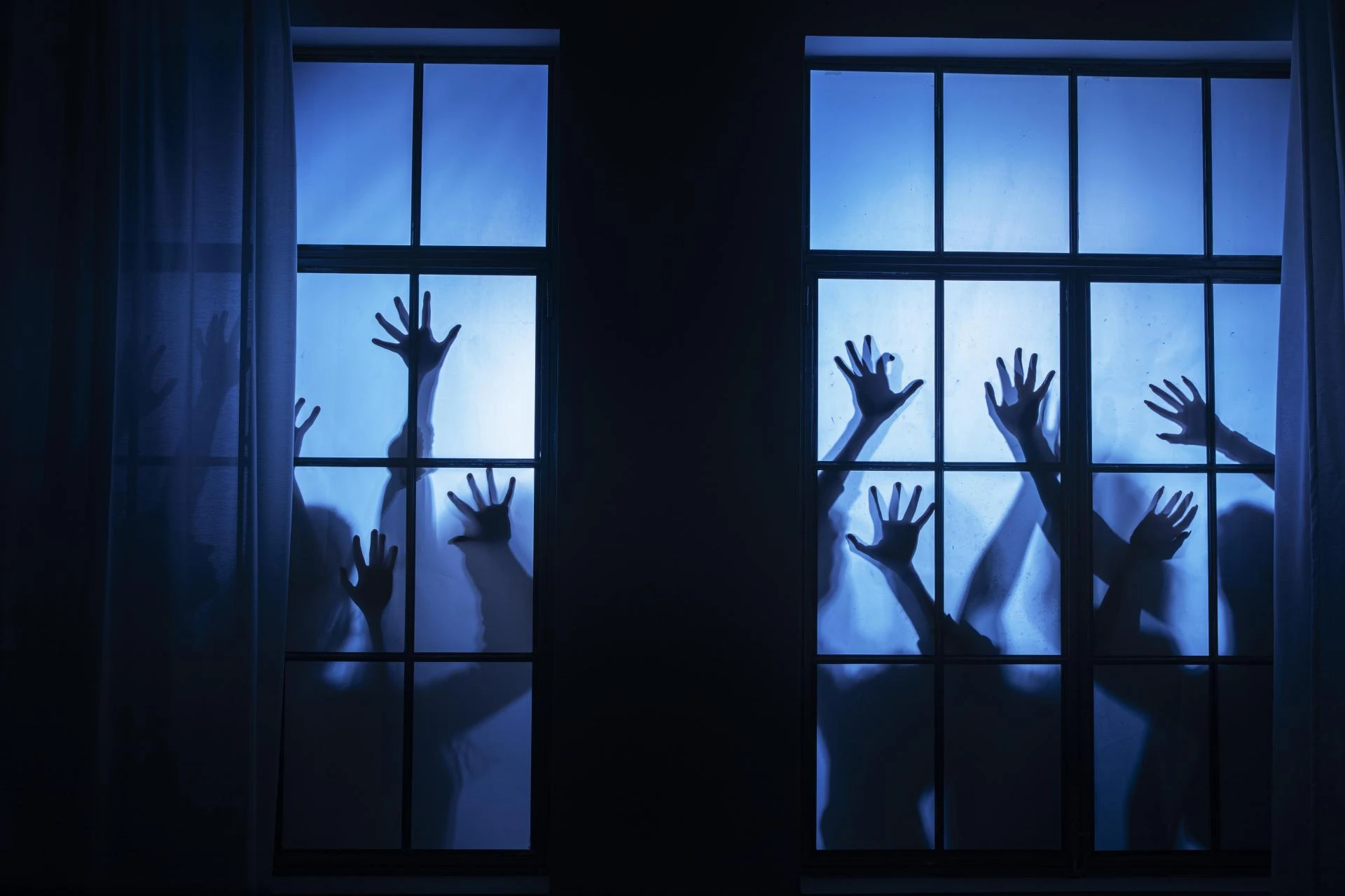

A survival horror movie begins its work long before anything terrifying actually happens. The first step in building suspense is creating an atmosphere that feels off, uneasy, or subtly threatening. This is done through setting, lighting, sound design, and pacing. The environment often becomes a character itself—whether it’s an abandoned house, a dense forest, or a desolate town. These spaces are not just backdrops; they actively contribute to the emotional tone. Dim lighting, long shadows, and quiet, lingering camera shots allow viewers to feel that something is wrong, even if they can’t yet explain why.
Sound plays a crucial role here. Instead of loud, obvious scares, early moments are filled with silence or faint, unsettling noises—creaking wood, distant whispers, or the hum of something unnatural. This minimalism forces the audience to lean in and anticipate danger. The pacing is intentionally slow, allowing tension to simmer rather than explode. By withholding obvious threats, the film creates a sense of dread rooted in uncertainty. This foundation is essential because it prepares the audience psychologically, making them more vulnerable to fear as the story progresses.
Introducing Vulnerable Characters
Once the atmosphere is established, the film introduces its characters, who are often ordinary people placed in extraordinary circumstances. These characters are intentionally designed to feel relatable and flawed rather than heroic. Their vulnerabilities—emotional, physical, or psychological—are what make the suspense effective. If the audience believes the characters are fragile and unprepared, the stakes immediately feel higher.
The film also carefully builds emotional connections between the audience and the characters. This is done through small, human moments—conversations, fears, or personal struggles. By making viewers care about what happens to these individuals, the film ensures that every threat carries weight. Suspense thrives on empathy; when the audience fears for the characters, tension naturally increases.
At the same time, subtle hints of conflict or tension among the characters may be introduced. These interpersonal dynamics add another layer of suspense because danger doesn’t only come from the outside—it can also come from within the group. Trust becomes fragile, and uncertainty grows. By the end of this stage, the audience understands who the characters are, what they value, and what they stand to lose.
The First Disturbance
The first real disruption marks a turning point in the narrative. This is where something clearly abnormal occurs, breaking the illusion of safety. It might be a strange noise, a missing object, or a brief, unexplained encounter. Importantly, this disturbance is usually subtle and ambiguous. The film avoids revealing too much too soon, instead offering just enough to spark curiosity and unease.
This moment is crucial because it shifts the tone from quiet unease to active tension. The characters may try to rationalize what happened, dismissing it as coincidence or imagination. This denial mirrors how people react to fear in real life, making the situation feel more believable. However, the audience often knows—or suspects—that something far more sinister is at play.
The key to building suspense here is restraint. Instead of escalating immediately, the film allows the disturbance to linger in the background. The audience is left with unanswered questions, and this uncertainty becomes a source of anxiety. By planting this seed of fear without fully explaining it, the movie ensures that viewers remain engaged and alert, anticipating what might happen next.
Escalation Through Isolation
As the story progresses, the sense of isolation becomes more pronounced. Survival horror movie thrives on the idea that help is unavailable or unreachable. Characters may lose communication with the outside world, become physically trapped, or realize they are completely alone in a hostile environment. This isolation amplifies every threat, making even small dangers feel overwhelming.
The film often reinforces this isolation visually and narratively. Wide shots emphasize the vastness of the environment, while tight, confined spaces create claustrophobia. Both approaches serve the same purpose: to remind the audience that escape is difficult, if not impossible. The characters’ options become limited, and their desperation begins to grow.
At the same time, the disturbances introduced earlier start to intensify. Strange occurrences become more frequent and more aggressive. The characters can no longer ignore what is happening, and their fear becomes more visible. This escalation is carefully paced to maintain tension without overwhelming the audience too quickly. Each new development builds on the last, creating a steady climb toward greater danger and uncertainty.
The Reveal of the Threat
Eventually, the film must reveal the nature of the threat, but in survival horror, this is done strategically. The reveal is rarely complete; instead, it offers just enough information to make the danger more concrete while still leaving room for mystery. This partial understanding is more unsettling than full clarity because it allows the audience’s imagination to fill in the gaps.
The threat itself can take many forms—a creature, a psychological force, or even another human—but what matters is how it is presented. The film often uses fleeting glimpses, shadows, or indirect encounters to maintain suspense. By avoiding prolonged exposure, the threat remains unpredictable and terrifying. The audience never feels fully prepared for what might happen next.
This stage also marks a shift in the characters’ behavior. They move from confusion to survival mode, making decisions under pressure. However, these decisions are not always rational or successful, which adds to the tension. The audience understands the danger but also sees how difficult it is to respond effectively. This combination of knowledge and helplessness is a powerful driver of suspense.
Rising Stakes and Desperation
As the narrative approaches its climax, the stakes rise dramatically. The characters face increasingly dangerous situations, and the consequences of failure become more severe. Injuries, losses, and sacrifices often occur during this stage, reinforcing the idea that survival is not guaranteed. Each setback pushes the characters closer to their limits, both physically and emotionally.
The pacing also accelerates, with shorter scenes and more frequent moments of tension. However, effective survival horror still balances intensity with brief pauses. These moments of calm are not true relief; instead, they serve to heighten anticipation. The audience knows that something worse is coming, and this expectation keeps them on edge.
Desperation becomes the dominant emotion. Characters may argue, make risky choices, or confront their deepest fears. This emotional volatility adds complexity to the suspense, as the danger is no longer just external—it’s also internal. The audience watches as the characters struggle to maintain control in an increasingly uncontrollable situation. This dual pressure creates a sense of inevitability, as if the story is hurtling toward a critical breaking point.
The Climax and Lingering Fear
The climax is where all the built-up tension is finally released, but in survival horror, this release is often incomplete. The final confrontation with the threat is intense and, forcing the characters to face their fears directly. Whether they fight, escape, or succumb, the outcome is shaped by everything that has come before.
However, what makes survival horror unique is that the ending rarely provides full closure. Even if the immediate danger is resolved, there is often a lingering sense of unease. The threat may not be entirely destroyed, or its implications may extend beyond the story. This ambiguity ensures that the fear does not simply disappear when the film ends.
In the final moments, the film often returns to a quieter tone, echoing the atmosphere of the beginning. This cyclical structure reinforces the idea that fear is never truly gone—it only waits. By leaving the audience with unanswered questions or unsettling imagery, the movie ensures that the suspense lingers long after the credits roll. This lasting impact is the hallmark of effective survival horror, proving that true fear is not just experienced in the moment but remembered afterward.
Conclusion
A survival horror movie builds suspense with careful precision, layering each element step by step rather than relying on constant shock. From the very beginning, it creates an unsettling atmosphere that quietly signals danger, then introduces characters whose vulnerabilities make every threat feel personal. As the story unfolds, small disturbances grow into undeniable dangers, while isolation and uncertainty tighten their grip on both the characters and the audience. Each stage is designed to deepen emotional investment and amplify fear, ensuring that suspense is not just felt but sustained.
What makes this process so effective is its balance between revelation and restraint. The film never gives away too much too quickly, allowing tension to grow naturally through unanswered questions and escalating stakes. By the time the climax arrives, the audience is fully immersed, experiencing the characters’ desperation and fear as if it were their own. Even after the story concludes, the lingering ambiguity keeps the sense of unease alive. This step-by-step construction is what transforms a simple story into a gripping survival horror experience—one that stays with viewers long after it ends.


























Sign in to leave a comment.