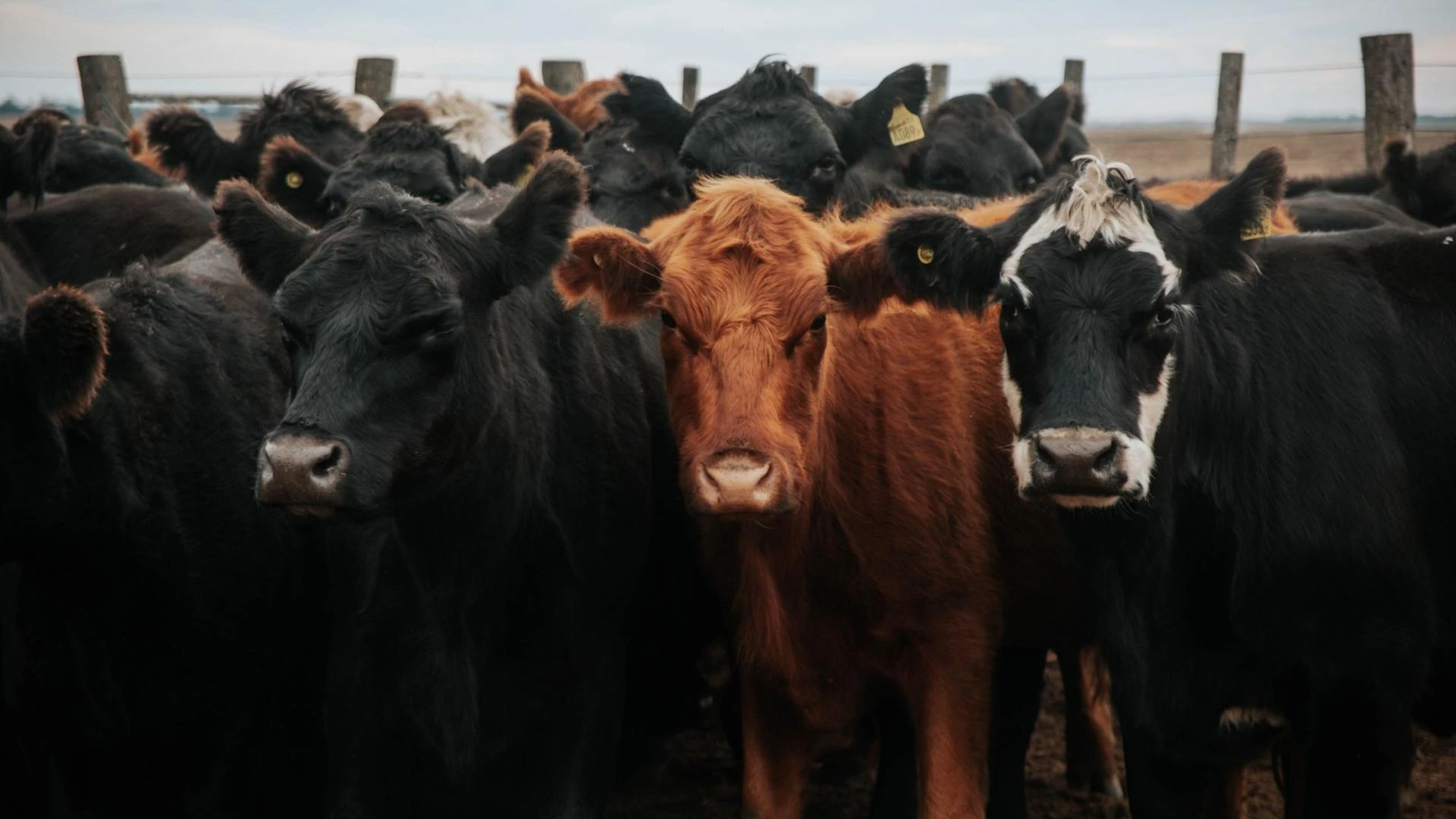

The cattle market in South Africa is a dynamic and integral part of the nation’s agricultural economy. For farmers, investors, and stakeholders, understanding cattle prices in South Africa is essential for making informed decisions and maintaining profitability. This comprehensive guide provides deep insights into cattle prices, market trends, and influencing factors that shape the cattle market prices across regions of South Africa.
Factors Influencing Cattle Market Prices in South Africa
Understanding the factors driving cattle prices is critical for market participation. Several variables impact how cattle market prices move on a weekly and monthly basis:
1. Seasonal Variations
South Africa experiences dry and wet seasons, which significantly influence feed availability and pasture conditions. In drought-affected provinces like the Northern Cape, cattle prices tend to drop due to increased offloading by farmers. Conversely, during favorable rainfall periods, prices often strengthen as feed lotters compete for good-quality calves.
2. Feedlot Demand
The demand from major feedlots in provinces such as Gauteng, Free State, and North West has a substantial impact on cattle prices South Africa. When feedlots are full or feed costs rise, buying activity drops, pulling prices lower.
3. Export Demand and Trade
Export channels, particularly to the Middle East and Asia, influence local cattle market prices. Strong international demand, especially for halal-compliant meat, supports higher price points for slaughter-ready cattle.
4. Animal Health and Disease Control
Outbreaks of foot-and-mouth disease (FMD) or other livestock illnesses often lead to border closures and market disruptions. Such events typically cause short-term price collapses as producers rush to sell affected animals.
Top Cattle Breeds and Their Market Value
Different cattle breeds command different prices based on carcass quality, feed conversion ratios, and adaptability. Here’s a breakdown of common breeds and their typical market valuation:
Nguni
- Known For: Adaptability, disease resistance
- Market Price: Mid-range; popular for smallholders and communal farmers
Brahman
- Known For: Hardiness, heat tolerance, crossbreeding value
- Market Price: Strong demand from feedlots; higher prices for cross-bred calves
Bonsmara
- Known For: Meat yield, fast growth, and high fertility
- Market Price: Premium; widely used in commercial production
Economic Outlook and Impact on Cattle Prices
The broader South African economy and global trends influence the trajectory of cattle prices:
- Fuel Prices: Affect transport costs and feed inputs
- Interest Rates: Impact farmer credit access and auction participation
- Inflation: Changes consumer buying behavior for beef products
Global beef prices, especially those set by major markets like Brazil, Australia, and the U.S., also indirectly affect South African cattle market prices, especially in the export segment.
2025 Forecast: What to Expect for Cattle Prices in South Africa
Industry analysts predict:
- Moderate price growth for slaughter-ready cattle due to tightening supply
- High volatility in calf prices based on pasture availability
- Stronger export demand driven by resumed trade to the UAE and Southeast Asia
- Premiums for traceable, hormone-free beef will continue to increase
Producers with strong herd genetics, disease-free certification, and sustainable practices are likely to command above-average prices.
Practical Advice for Maximizing Cattle Sale Returns
To benefit from favorable cattle market prices, consider the following strategies:
- Invest in animal health and regular vaccinations
- Improve grazing rotation and forage quality to reduce input costs
- Use breed-specific genetics for better market targeting
- Join producer associations for better market access and information
Regularly monitor provincial auction reports and livestock indices such as the RPO (Red Meat Producers Organisation) and Agri SA, which provide updates on cattle prices in South Africa.
Conclusion: Cattle Prices as a Barometer of South African Agricultural Strength
In 2025, cattle prices South Africa remain a central indicator of rural economic activity and agricultural strength. Whether you’re a smallholder looking to scale operations or a large feedlot operator, understanding the nuances of cattle market prices will empower better decisions and long-term profitability.




























Sign in to leave a comment.