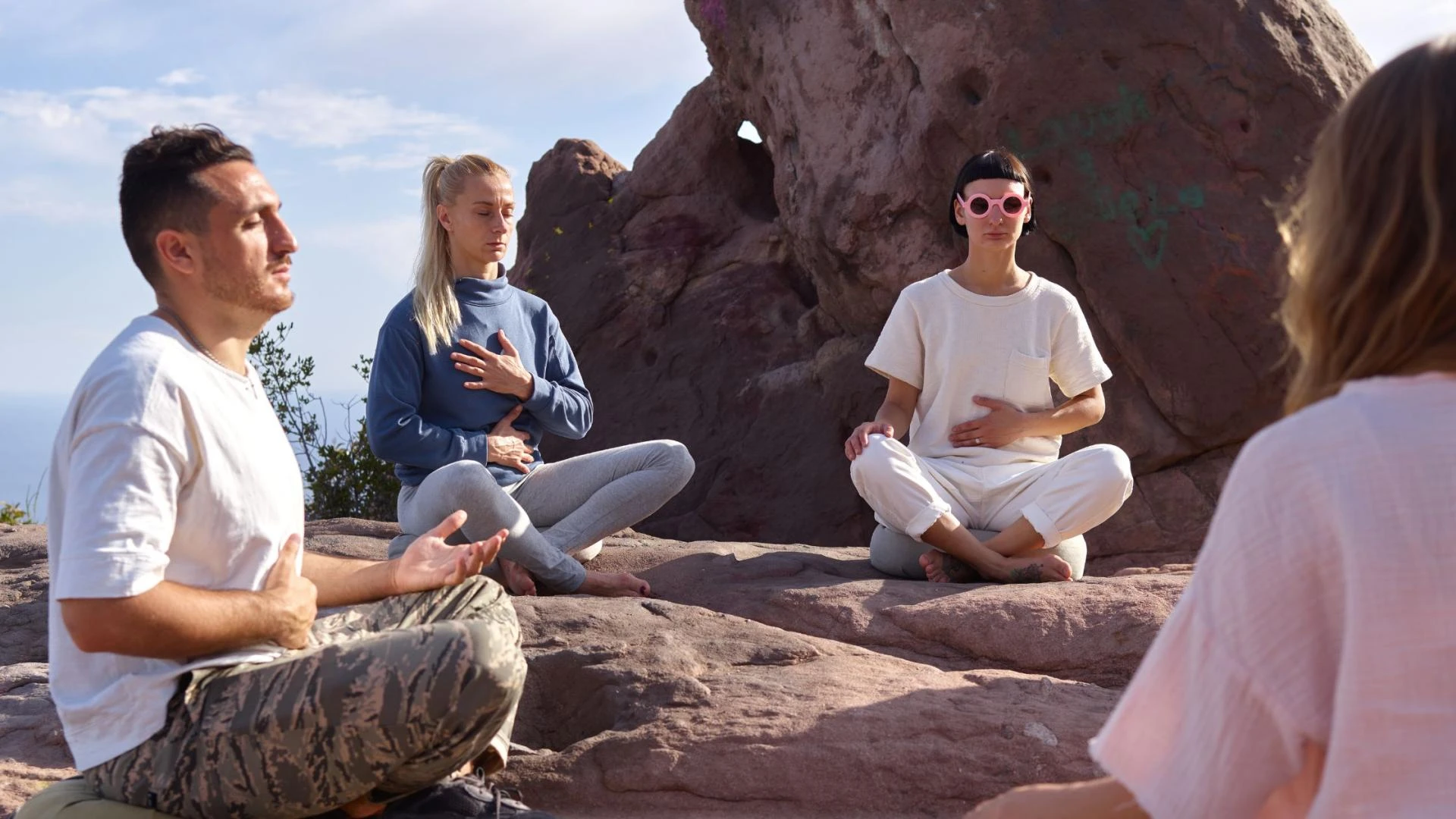

The surge in interest in psychedelic retreats as instruments of mental well-being and self-improvement is undeniable. Psilocybin retreat, the psychoactive substance contained in some mushrooms, has become a recognized agent of therapeutic capabilities, attracting an influx of interested individuals seeking experience in guided retreats.
However, as the research and popularity of these programs continue to increase, myths and misconceptions persist, leading to stigma and misunderstandings. Let's separate fact from fiction, demystify safety measures, and emphasize professional guidance and integration for optimal outcomes.
Myth 1: Psilocybin Retreats Are Just About "Getting High"
A prevalent misconception about this retreat is that it serves as a mere recreational escape. Many people believe these retreats are all about "getting high" for pleasure. However, the truth is quite different.
Fact: It is designed therapeutic programs guided by trained facilitators who specialize in psychological healing and personal awareness. While such retreats prioritize preparation for participants, including facilitated sessions that encourage significant experiences over escapism, they aim to increase self-awareness and facilitate emotional healing, making psilocybin retreats a commitment to personal and community development.
Myth 2: These Retreats Are Dangerous and Addictive
One of the main concerns surrounding this retreat is the safety issue and the belief that psilocybin causes addiction. As a result of this concern, people miss out on the potential benefits that these retreats can offer.
Fact: Based on contemporary studies, psilocybin is not addictive and, when administered responsibly under the guidance of professionals, has a good safety record. Guests participating in this retreat undergo comprehensive screenings and are closely monitored throughout their experience to minimize the risk of complications. Under professional direction, psilocybin can be explored safely, enabling participants to concentrate on healing instead of fear.
Myth 3: Psilocybin Retreats Are Instantly Enlightening or Quick Fixes
Most individuals arrive in retreats expecting that one psychedelic session can result in immediate transformation or give them all the answers they have been searching for. Although this concept sounds exciting, it oversimplifies the more profound work required to heal.
Fact: While participants may have profound experiences during this retreat, actual healing is about cultivating humility, patience, and consistent integration work after the retreat has ended. One should realize that significant change must occur through the constant implementation of learning from experience. Post-retreat integration therapy is also important to facilitate participants to translate their epiphanies into lasting gains.
Myth 4: Psilocybin Retreats Have No Therapeutic Value
Some skeptics also assume that this doesn't work or is only meant for people dealing with serious mental health problems, hence unfairly dismissing their capabilities.
Fact: Clinical trials have shown that psilocybin, either in a retreat or therapeutic environment, can dramatically alleviate conditions such as depression, PTSD, and addiction, as well as facilitate personal growth and emotional well-being even in individuals who are otherwise healthy. The evidence and research continually building around the therapeutic effects of psilocybin are mounting, justifying its application in many contexts.
Myth 5: Professional Supervision and Safety Protocols Are Not Required
The last myth is that it takes anyone to facilitate a psilocybin or psychedelic retreat, and professional services are unnecessary. This myth can be dangerous to participants.
Fact: Selecting a safe and credible psychedelic retreat is paramount to guaranteeing safety and efficacy. Central safety procedures, such as participant screening, careful preparation, medical supervision, and adequate post-session integration, are integral parts of a secure and responsible methodology. Professional facilitation is essential; it prevents adverse effects and maximizes the therapeutic potential of the experience.
Conclusion
Psilocybin retreats hold great potential for healing and self-awareness when experienced responsibly and with the guidance of professionals. Retreats are highly structured, therapeutic settings meant to facilitate personal development and emotional healing. As interest continues to grow, individuals must obtain the right information, proceed with realistic expectations, and prioritize safety and integration. By debunking myths and highlighting facts, we can foster a deeper understanding of these retreats and their life-changing potential.





























Sign in to leave a comment.