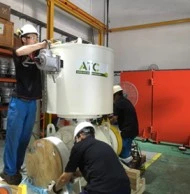

Welcome to our comprehensive guide on Control Valves Testing. In this article, we delve deep into the intricacies of control valve testing, providing you with invaluable insights into this critical aspect of industrial processes.
Understanding Control Valves
Control valves play a pivotal role in regulating fluid flow within various industrial systems. From managing pressure to controlling the flow rate, these valves ensure optimal performance and efficiency. However, to guarantee their reliability and effectiveness, thorough testing is imperative.
Importance of Control Valves Testing
Control valves are subjected to rigorous conditions and must function seamlessly to maintain operational efficiency. Testing helps verify their performance under different scenarios, ensuring they meet the specified standards and requirements. By identifying any potential issues early on, testing minimizes the risk of costly downtime and equipment failures.
Types of Control Valves Testing
1. Functional Testing
Functional testing assesses the valve\'s ability to perform its intended function accurately. It involves verifying parameters such as response time, leakage, and flow characteristics to ensure optimal performance.
2. Pressure Testing
Pressure testing evaluates the valve\'s ability to withstand varying pressure levels without leakage or structural damage. This testing is crucial for ensuring the valve\'s integrity and reliability in demanding operating conditions.
3. Leakage Testing
Leakage testing involves detecting and quantifying any fluid leakage past the valve seat or seals. It helps identify potential areas of concern and ensures compliance with industry standards and regulations.
4. Performance Testing
Performance testing evaluates the overall performance of the valve across different operating conditions. It assesses factors such as flow capacity, rangeability, and control precision to ensure optimal functionality.
Control Valves Testing Procedures
1. Pre-Test Inspection
Before conducting any tests, thoroughly inspect the valve for any visible damage or defects. Ensure all connections are secure, and the valve is installed correctly according to manufacturer guidelines.
2. Functional Testing
Initiate functional testing by applying control signals to the valve and observing its response. Verify that the valve operates smoothly and accurately in accordance with set parameters.
3. Pressure Testing
Subject the valve to various pressure levels, gradually increasing to the maximum operating pressure. Monitor for any signs of leakage or abnormal behavior, ensuring the valve maintains its integrity under pressure.
4. Leakage Testing
Perform leakage testing using appropriate methods such as hydrostatic or pneumatic testing. Detect any leaks and quantify their severity to determine if further adjustments or repairs are necessary.
5. Performance Testing
Conduct comprehensive performance testing across different flow rates and conditions. Evaluate the valve\'s ability to maintain precise control and meet specified performance criteria.
Benefits of Comprehensive Control Valves Testing
1. Enhanced Reliability
Thorough testing ensures that control valves operate reliably under various conditions, minimizing the risk of unexpected failures or malfunctions.
2. Improved Efficiency
By identifying and addressing any performance issues early on, testing helps optimize the efficiency of control valves, reducing energy consumption and enhancing overall system performance.
3. Regulatory Compliance
Comprehensive testing ensures that control valves meet industry standards and regulatory requirements, safeguarding against potential legal and compliance issues.
4. Cost Savings
Preventive testing helps avoid costly downtime and repairs by detecting and addressing potential issues proactively, ultimately saving time and resources in the long run.
Conclusion
In conclusion, control valves testing is an indispensable aspect of maintaining operational efficiency and reliability in industrial processes. By following comprehensive testing procedures and protocols, organizations can ensure the optimal performance of their control valves, minimizing downtime and maximizing productivity.























Sign in to leave a comment.