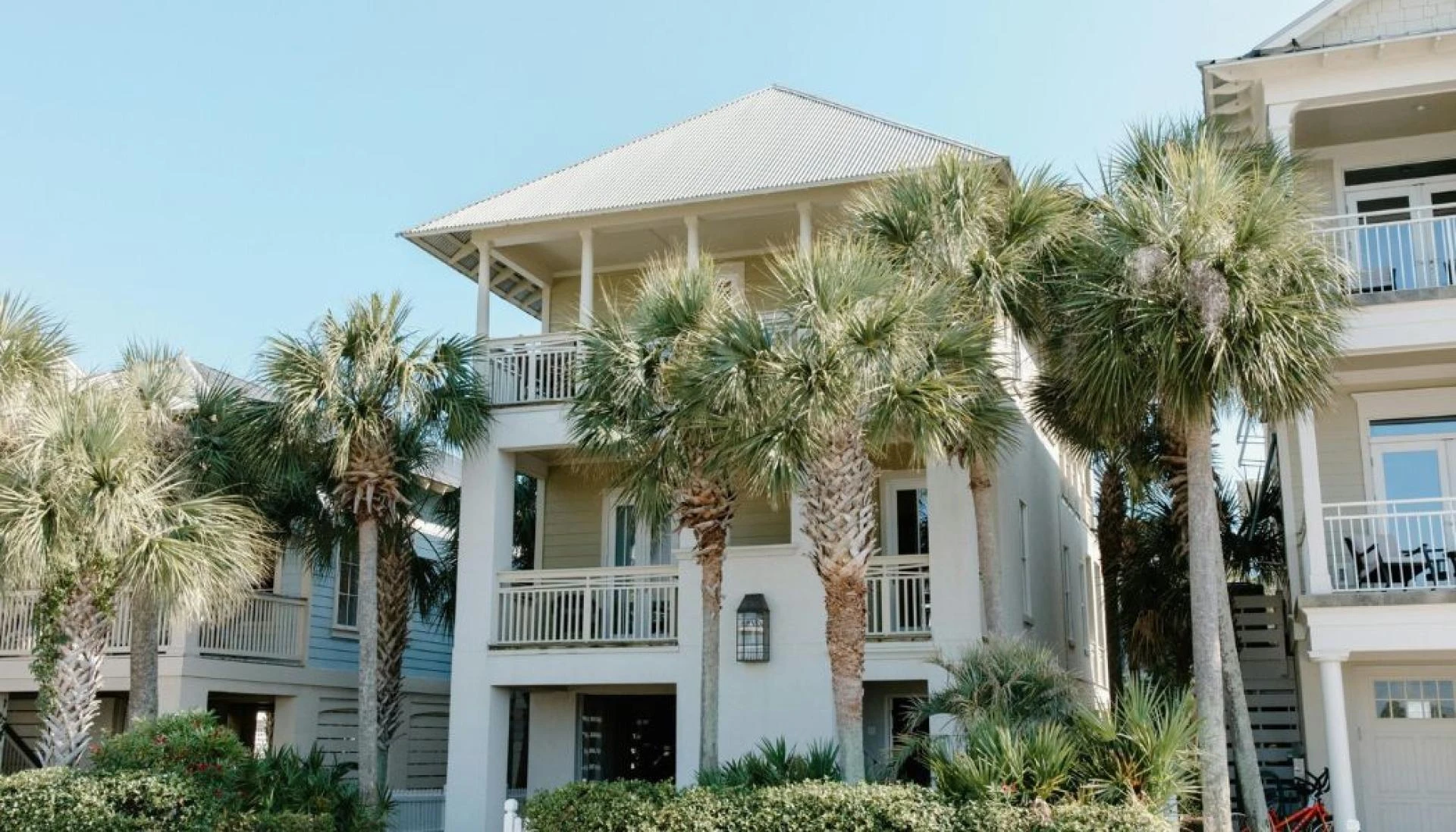

Discover expert rental property management strategies. Learn key practices to maximize property value, ensure tenant satisfaction, and boost profitability.
Effective rental property management is crucial for maintaining high occupancy rates, ensuring tenant satisfaction, and optimizing profitability. Whether you are a seasoned landlord or a newcomer, understanding the key principles of property management can help you minimize risks, maximize revenue, and build long-lasting relationships with tenants. In this guide, we'll explore essential strategies, tips, and tools to improve your rental property management.
What is Rental Property Management?
Rental property management involves overseeing the day-to-day operations of rental properties, including marketing, leasing, maintenance, and tenant relations. It includes everything from advertising available units to ensuring tenants follow lease agreements, paying rent on time, and addressing maintenance issues. Successful property management requires attention to detail, proactive problem-solving, and effective communication.
Key Aspects of Rental Property Management
1. Tenant Screening and Leasing
One of the most important steps in rental property management is selecting the right tenants. Thorough tenant screening helps ensure that you lease to reliable tenants who will respect your property, pay rent on time, and cause minimal issues. Here are key factors to consider when screening tenants:
- Credit Checks: Assess financial responsibility.
- Rental History: Verify past behavior and reliability.
- Income Verification: Ensure tenants can afford the rent.
- References: Get input from previous landlords or employers.
2. Rent Collection and Financial Management
Effective rent collection is vital for maintaining consistent cash flow. Make sure your rental terms are clear and tenants know when and how to pay rent. Offer multiple payment methods such as online payments or bank transfers. Tracking payments and managing expenses also involves setting aside funds for property maintenance, insurance, and taxes.
- Automate Payments: Use online payment platforms to reduce late payments.
- Clear Policies: Establish clear late payment policies and fees.
- Financial Tracking: Keep detailed records of all financial transactions for tax purposes.
3. Property Maintenance and Repairs
Keeping your property well-maintained is essential to ensuring tenant satisfaction and preserving the property’s value. Regular maintenance helps avoid costly repairs and increases tenant retention. Set up a schedule for routine inspections, plumbing checks, HVAC maintenance, and landscaping.
- Routine Inspections: Schedule periodic property checks.
- Maintenance Requests: Allow tenants to submit maintenance issues quickly.
- Emergency Repairs: Have a system in place for handling urgent repairs.
4. Legal Compliance and Fair Housing Laws
Being familiar with local, state, and federal laws is an essential part of rental property management. Fair housing laws prohibit discrimination in tenant selection and ensure equal treatment for all prospective renters. Stay informed about eviction processes, security deposit regulations, and rental increase limits.
- Fair Housing Act: Make sure your screening and leasing practices are non-discriminatory.
- Eviction Process: Follow legal steps if eviction becomes necessary.
- Tenant Rights: Understand tenant rights related to privacy, rent increases, and maintenance.
The Role of Technology in Rental Property Management
Modern property management tools have made it easier for landlords to oversee multiple properties simultaneously. There are many property management software options available to streamline tasks such as tenant screening, rent collection, and maintenance tracking.
- Online Management Software: Platforms like AppFolio, Rentec Direct, and Buildium simplify managing rent collection and tenant communication.
- Automated Marketing: Use online listings, social media, and SEO techniques to attract new tenants.
- Maintenance Tracking: Tools like Maintenance Direct help tenants report issues and schedule repairs.
Tips for Successful Rental Property Management
1. Communicate Effectively with Tenants
Building good relationships with your tenants is essential for successful property management. Open, honest, and timely communication helps resolve issues quickly and prevents misunderstandings. Ensure tenants know how to reach you and provide regular updates about property maintenance or changes to rent or lease terms.
2. Stay Organized with Your Documents
From lease agreements to tenant payment records, keeping organized documentation is vital. Digital solutions can help you keep track of contracts, communications, and financial statements. This can save you time and effort in the long run.
- Cloud Storage: Store documents online for easy access and backup.
- Digital Signatures: Use e-signature tools for lease agreements and forms.
3. Regularly Review Your Rent Prices
Adjusting rent prices according to market trends is an essential aspect of rental property management. Periodically review comparable rents in your area and adjust yours accordingly. Keep in mind that increasing rent too much could result in tenant turnover.
4. Be Proactive About Problem Resolution
Don’t wait for issues to escalate—be proactive in addressing any problems tenants may face. Whether it’s maintenance issues, complaints, or disputes with neighbors, prompt action shows tenants that you care and helps maintain a positive environment.
Frequently Asked Questions (FAQ)
How do I screen tenants for rental property management?
Tenant screening involves checking references, verifying income, conducting background and credit checks, and reviewing past rental history. Thorough screening helps find tenants who are likely to be reliable.
What should I include in a lease agreement?
A lease agreement should include rent amount, payment due date, lease duration, maintenance responsibilities, rules regarding pets, security deposit terms, and late payment penalties.
How often should I inspect my rental property?
It's recommended to inspect your rental property at least once a year, but you should also conduct regular checks after tenants move out to ensure the property is in good condition.
How can I ensure rent is paid on time?
You can encourage on-time rent payments by offering online payment options, setting clear due dates, and enforcing late fees if necessary. Consider using property management software for automated reminders.
What are the responsibilities of a property manager?
A property manager is responsible for tenant screening, rent collection, property maintenance, legal compliance, and handling any disputes or issues that arise during the tenancy.
Can I increase rent during a lease?
In most cases, rent can only be increased at the end of a lease term, and you must provide proper notice to tenants in advance. The rules vary by location, so be sure to check local laws.
Conclusion
Effective rental property management is the backbone of any successful rental business. By following these best practices—whether you’re handling rent collection, maintenance, or tenant relations—you can ensure the longevity of your property and maintain a steady stream of income. Make use of technology, stay organized, and keep communication open with your tenants to create a hassle-free management experience. With dedication and the right approach, your rental property can be a profitable, stress-free investment.























Sign in to leave a comment.