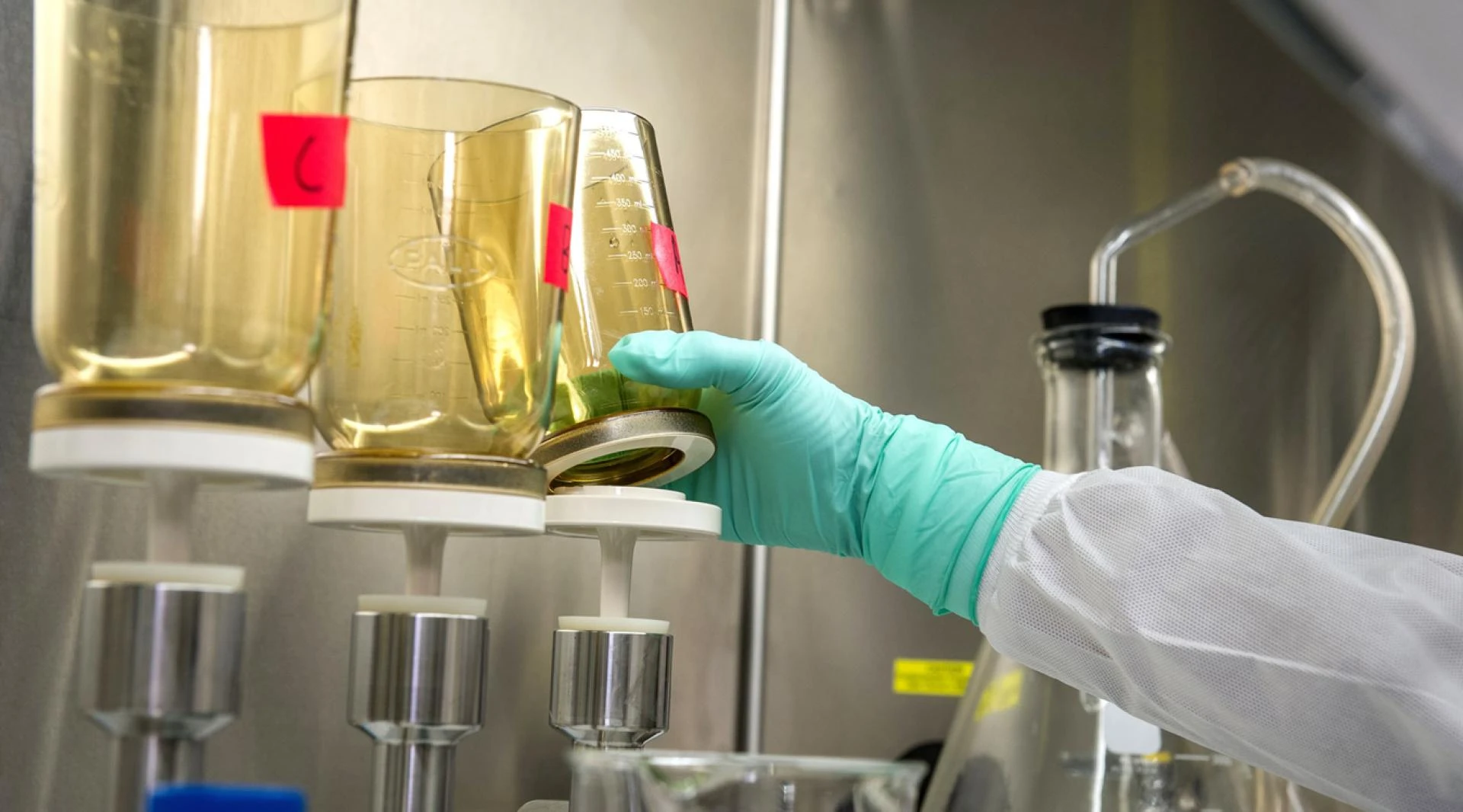

Sterility testing is crucial because it directly impacts patient safety. When medical devices are not properly cleaned and sterilized, they can introduce harmful pathogens into the body. It can further lead to infections and other complications. This is particularly true for invasive medical devices, such as implants that pose a higher risk if they are not sterile. Why so? Because they come into direct contact with body tissues and fluids. Hence, it is the duty of manufacturers to introduce top-quality devices in the medical industry that are safe to be used.
In modern healthcare, healthcare facilities are facing difficult choices to reduce costs and save resources. But they must make sure to clean and sterilize medical devices properly. As a result, manufacturers need to adhere to the Sterility Testing Standards to ensure the safety and efficacy of reused medical devices. It reiterates that standard procedures alone don't guarantee that a product or batch is sterile or has been sterilized. The best way to achieve this is by validating the sterilization process.
Top Benefits of Hiring a Sterility Testing Lab for Medical Device Manufacturers
These services are equipped with cutting-edge facilities and professionals who have the expertise in testing for microbial contamination. They follow the industry's best practices and are Accredited to ISO 17025 to offer accurate results. This makes it easier for medical device manufacturers to get their products approved. They are further well-versed in a wide range of testing processes to gauge the sterility of diverse devices. So, manufacturers can readily rely on them to avoid costly mistakes with improper testing. They do so in simulated clinical settings that can handle various types of tools without any problems.
In fact, they can provide an unbiased evaluation of medical devices, reducing conflicts of interest. By outsourcing your testing needs, you can also save capital costs by not establishing an in-house facility. Instead pay for testing services on a per-project basis, reducing fixed overhead costs. To add to this, these labs are designed to efficiently process a high volume of samples. It allows for quicker turnaround times and helps you meet tight production deadlines and respond promptly to market demands.
What Happens in Sterility Testing?
Sterility testing is a way to check if a product has any living microorganisms on it after it has been sterilized. This test is done to make sure the sterilization process worked properly. But before the actual test, a preliminary test is conducted to assess if the product itself has any microbial-killing properties that could give incorrect results. This is a vital part of the product quality check by the manufacturer. And establish that their products are safe to be used after sterilization.
It typically involves sampling multiple units from a batch of the product and subjecting them to testing methods. The samples are then observed for a specified period to detect any microbial growth. Other than that, they might either put the product directly into a special liquid that helps microorganisms grow or filter the liquid products to check for colonies. It takes about 14 days in specific incubation conditions. However, it is imperative to do the test soon after sterilizing the product, so any remaining microorganisms can still be detected.
Inherently, Sterility Testing is a universal guideline enforced by the regulatory agencies to substances, preparations, and articles that must be sterile. This showcases the process control and gives an overview of the product's microbiological quality. And once medical device manufacturers confirm the absence of bacteria on the devices, they are proven to be ideal for patient safety and have minimal risk of infections. In a way, this approach can streamline production and improve the overall efficiency of healthcare services, ultimately benefiting the manufacturers, medical facilities, and their patients.



























Sign in to leave a comment.