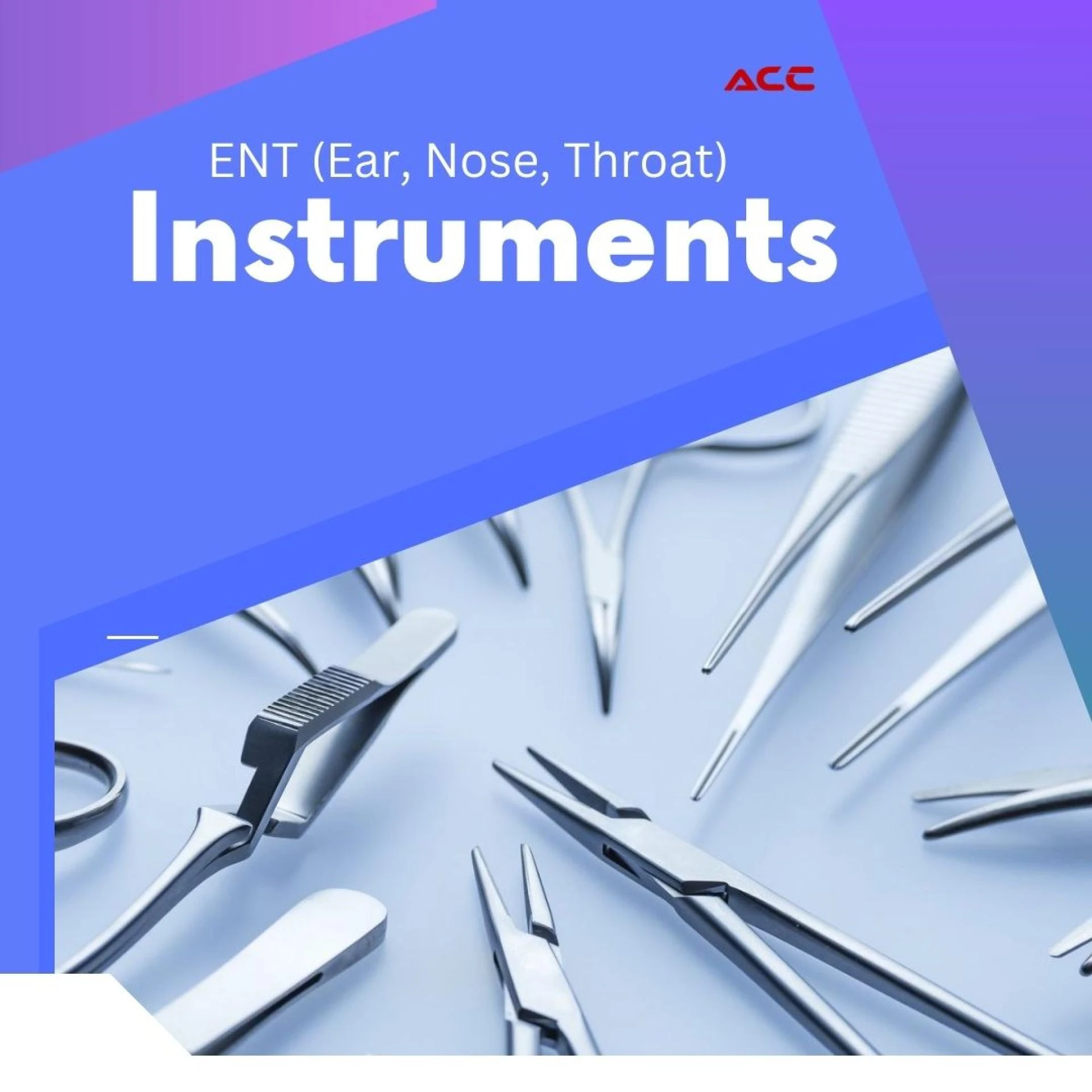

In the specialized field of otolaryngology, commonly known as ENT (Ear, Nose, and Throat), a wide array of instruments is employed for diagnosing and treating various conditions. These instruments range from simple diagnostic tools to highly sophisticated surgical devices. Understanding the different types of ENT instruments is crucial for both medical professionals and students. This comprehensive guide will delve into the various categories and specific instruments used in ENT practice, providing a detailed overview of their functions and importance.
Diagnostic ENT Instruments
Otoscope
The otoscope is a fundamental diagnostic tool used to examine the ear canal and eardrum. It provides a magnified view, helping to diagnose infections, perforations, and other abnormalities in the ear. Otoscopes often come with a light source and a speculum to facilitate better visibility.
Nasal Speculum
The nasal speculum is used to widen the nasal passages, allowing doctors to inspect the nasal cavity more thoroughly. This instrument is essential for diagnosing blockages, septal deviations, and other nasal issues. Its design ensures minimal discomfort while providing maximum visibility.
Tongue Depressor
A tongue depressor is a simple yet indispensable tool in ENT examinations. It is used to press down the tongue to allow a clear view of the throat and mouth. This aids in diagnosing infections, inflammations, and other oral conditions.
Laryngeal Mirror
The laryngeal mirror is a small, angled mirror used to examine the larynx and vocal cords. It is crucial for diagnosing issues related to the throat, including vocal cord nodules, polyps, and other abnormalities.
Surgical ENT Instruments
Laryngoscope
The laryngoscope is vital for both diagnostic and surgical purposes. It allows visualization of the larynx and vocal cords, facilitating procedures like biopsy and removal of foreign bodies. Laryngoscopes come in various types, including rigid and flexible versions, each suited for different procedures.
Sinuscope
A sinuscope is a specialized endoscope used for examining and performing surgeries within the sinuses. It provides a clear view of the sinus cavities, aiding in the diagnosis and treatment of conditions like sinusitis and nasal polyps.
Microdebrider
The microdebrider is a high-tech instrument used primarily in sinus surgeries. It consists of a rotating blade that precisely removes tissue, minimizing damage to surrounding structures. This tool is essential for procedures such as functional endoscopic sinus surgery (FESS).
Forceps
Forceps come in various shapes and sizes and are used for grasping and manipulating tissues during surgery. In ENT surgeries, forceps are crucial for removing foreign bodies, polyps, and other obstructions. Common types include bayonet forceps and alligator forceps.
Scissors and Scalpels
Specialized scissors and scalpels are fundamental in ENT surgeries. These instruments are designed for precise cutting and dissection. Scissors may have curved or straight blades, while scalpels come with various blade shapes to suit different surgical needs.
Advanced ENT Instruments and Technologies
Robotic Surgery Systems
Robotic surgery systems are revolutionizing ENT procedures. These systems offer unparalleled precision and control, allowing surgeons to perform complex operations with minimal invasiveness. Robotic arms can make delicate movements that human hands cannot, reducing complications and improving recovery times.
3D Visualization Systems
3D visualization systems provide surgeons with detailed, real-time images of the surgical field. This technology enhances the surgeon’s ability to navigate complex anatomical structures, leading to more accurate diagnoses and more precise surgical interventions.
Image-Guided Surgery
Image-guided surgery utilizes real-time imaging techniques to guide the surgeon during complex procedures. This technology integrates with ENT instruments to provide continuous feedback, ensuring accurate navigation through delicate anatomical areas.
Laser Systems
Laser systems are increasingly used in ENT surgeries for their precision and minimal invasiveness. Lasers can cut, ablate, or coagulate tissue with high accuracy, reducing bleeding and promoting faster healing.
Emerging Trends in ENT Instruments
Wearable Diagnostic Devices
Wearable diagnostic devices are set to transform ENT care. These devices can monitor vital signs and other health metrics in real-time, providing continuous data to healthcare providers. This technology aids in the early detection and management of ENT conditions.
Telemedicine
Telemedicine is becoming an integral part of ENT care. Remote consultations allow patients to receive expert advice without the need for physical visits, especially beneficial for those in remote areas. Telemedicine also facilitates remote monitoring and follow-up care using specialized ENT diagnostic tools.
AI and Machine Learning
Artificial intelligence (AI) and machine learning are poised to revolutionize ENT diagnostics. These technologies can quickly analyze vast amounts of data, identifying patterns and abnormalities that might be missed by the human eye. AI-powered tools will enable faster, more accurate diagnoses and personalized treatment plans.
Conclusion
The landscape of ENT instruments is continually evolving, driven by technological advancements and the need for more effective patient care. From basic diagnostic tools like otoscopes and nasal speculums to advanced surgical instruments and robotic systems, the future of ENT instruments promises greater precision, less invasiveness, and improved patient outcomes. As these technologies continue to develop, they will significantly enhance the capabilities of ENT specialists, ensuring better diagnosis, treatment, and overall patient care.
Fore more detail visit us : https://www.allnetmedical.com/




























Sign in to leave a comment.