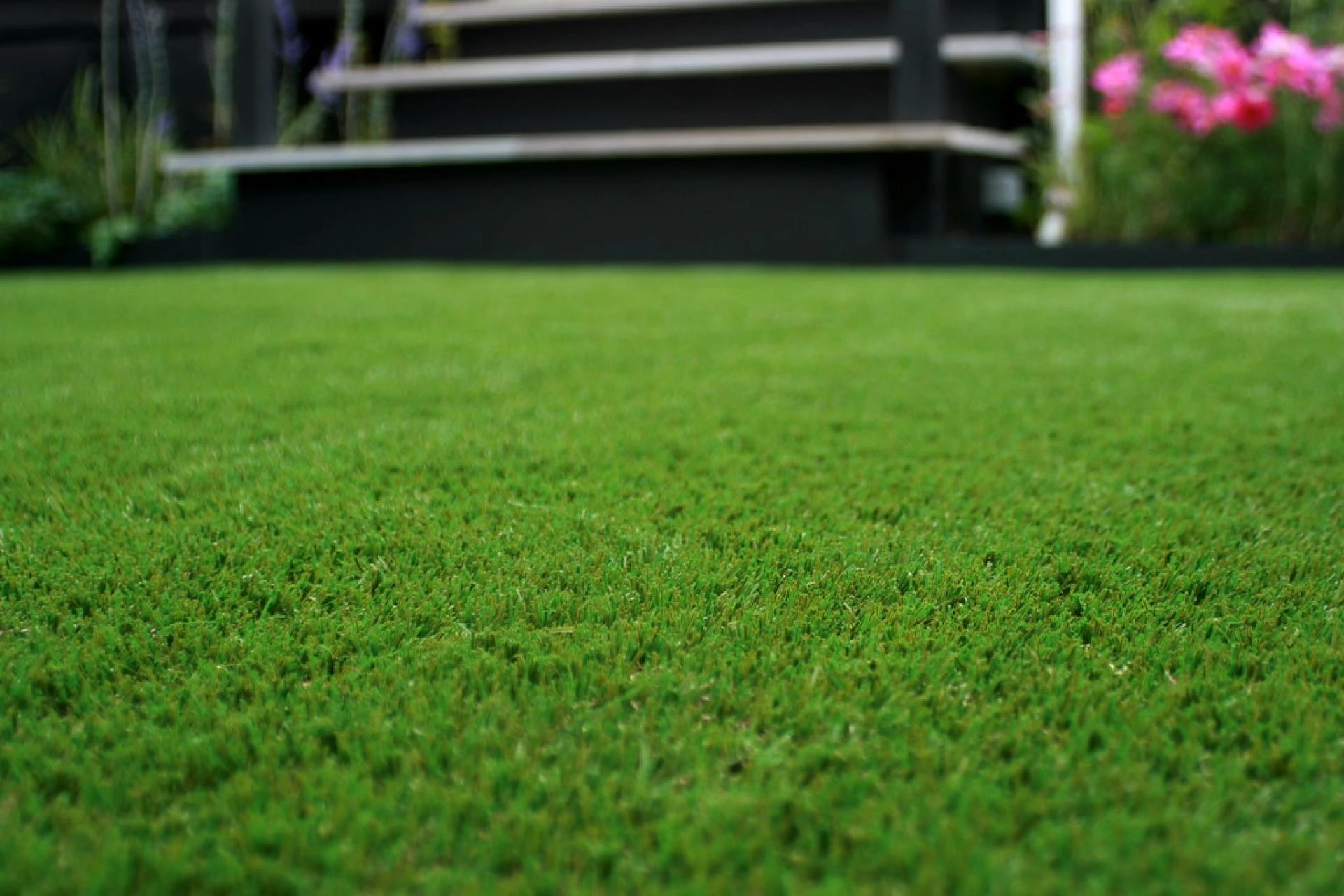

Understanding the Importance of Turf Maintenance Service
Turf maintenance service has become an essential part of managing outdoor environments for homes, businesses, athletic fields, municipalities, and event venues. Whether the turf is natural grass or synthetic artificial turf, consistent care ensures performance, safety, durability, and visual appeal. Turf surfaces are not just part of the landscape; they provide functional spaces for sports, recreation, gatherings, and relaxation. For this reason, proper maintenance extends beyond cosmetic improvements and plays a critical role in preventing damage and maintaining healthy growth or structural integrity. As more property owners invest in turf installations, the demand for professional maintenance services continues to grow because these services protect that investment, prevent costly repairs, and support long-term performance.
Natural Turf vs. Artificial Turf Maintenance Needs
The maintenance needs for natural grass and artificial turf differ significantly, and professional turf maintenance service providers understand how to properly care for each surface. Natural grass requires ongoing mowing, irrigation management, fertilization, weed control, aeration, and overseeding to remain healthy and resilient. Without these efforts, natural turf can quickly develop bare patches, uneven spots, pest infestations, and drainage problems. Artificial turf has a different set of maintenance requirements because it does not grow, shed, or require watering, but it still needs to be cleaned, brushed, and inspected regularly. Without these steps, artificial turf can accumulate debris, develop matted fibers, or experience infill displacement. Professional turf maintenance service ensures that each surface receives the appropriate type of attention based on its material, usage levels, climate exposure, and intended function. This distinction is essential because treating artificial turf like natural grass, or vice versa, would lead to poor results and potentially shorten the lifespan of the turf system.
Turf Maintenance for Residential Properties
Residential turf maintenance service is popular for homeowners who want their lawn or artificial turf to stay attractive without dedicating hours of personal labor. Families with children or pets often experience heavy foot traffic that can damage natural turf or flatten synthetic grass. Regular maintenance addresses these impacts and keeps the backyard functional and visually appealing. For natural lawns, residential turf service may focus on mowing schedules, nutrient management, soil health, irrigation calibration, and seasonal adjustments to prevent weeds and disease. For artificial turf installed around pools, patios, or play areas, maintenance often includes brushing fibers upright, removing debris, checking seams, redistributing infill, and cleaning areas exposed to pets or organic material. By scheduling routine professional maintenance, homeowners protect their outdoor investment and ensure consistent curb appeal throughout the year.
Commercial and Sports Turf Maintenance Standards
Commercial properties and sports facilities require more intensive turf maintenance services because they experience higher usage and greater performance expectations. Athletic fields, stadiums, golf courses, schools, and community parks depend on turf surfaces that are safe, durable, and compliant with specific standards. Natural sports turf must be kept smooth and consistent to prevent injuries and support proper ball movement. This level of care may involve aeration to improve soil oxygen levels, topdressing to restore surface uniformity, pest and weed control to preserve playability, and specialized mowing patterns to strengthen the turf structure. Artificial sports turf demands grooming, infill redistribution, shock pad inspections, and surface testing to verify traction levels and cushioning. Commercial campuses, office buildings, and retail centers also use turf to enhance aesthetics, but poor maintenance can diminish the image of the property or reduce safety for visitors and staff. Regular turf maintenance service ensures these high-traffic environments remain reliable, visually pleasing, and safe for daily use.
Preventing Turf Damage and Extending Lifespan
One of the primary benefits of turf maintenance service is the prevention of damage that leads to expensive repairs or early replacement. Natural grass can suffer from soil compaction, nutrient deficiencies, fungus, dry patches, or overwatering, all of which shorten its lifespan if untreated. Artificial turf may experience fiber degradation, seam separation, infill displacement, or drainage issues if neglected. Routine professional inspections identify early signs of wear and help correct them before they escalate. For natural turf, preventive services like seasonal aeration reduce soil compaction and allow moisture and nutrients to reach the roots more effectively, while proper fertilization strengthens growth and resilience. For synthetic turf, preventive care involves brushing fibers upright to prevent matting, redistributing infill to maintain proper cushioning and support, and flushing the surface to improve drainage. These services collectively extend the lifespan of turf systems and protect the value of the original installation.
Improving Health, Cleanliness, and Safety
Turf maintenance service plays a crucial role in improving the health, cleanliness, and safety of outdoor spaces. Natural grass that receives balanced care grows denser and healthier, which reduces mud formation, improves soil stability, and resists pests without heavy chemical intervention. Artificial turf benefits from sanitation treatments that remove bacteria, pollen, odors, and organic buildup, especially in areas used by pets or young children. Cleanliness also affects safety, as debris or infill displacement on artificial sports turf can change traction levels or cushioning performance. Natural sports turf that becomes uneven or patchy increases the likelihood of falls or twisted ankles. Professional turf maintenance service helps identify these risks and corrects them before they create hazards for athletes, employees, customers, or residents. Clean, well-maintained turf also reduces allergens and contributes to a more enjoyable outdoor experience for everyone who uses the space.
Seasonal and Climate Considerations
Climate plays a major role in determining what type of turf maintenance service is necessary and when it should be performed. Cool-season grasses require different fertilization and overseeding schedules than warm-season grasses, and professionals adjust their approach based on regional temperature patterns. In drought-prone areas, irrigation audits are essential to avoid waste while keeping turf healthy, while regions with heavy rainfall need proper drainage inspections to prevent fungal growth. Artificial turf systems must also be monitored for heat exposure, UV degradation, and storm runoff that may carry debris onto the surface. Seasonal maintenance schedules are designed to prepare turf for incoming weather changes. For example, natural turf may need overseeding in the fall to prepare for winter dormancy, while synthetic sports fields may require grooming before peak season to restore playability. These seasonal adjustments ensure that both natural and artificial turf surfaces remain stable and attractive throughout varying climate conditions.
The Value of Professional Turf Maintenance Service
Many homeowners and facility managers initially assume they can handle turf care on their own, but the expertise and equipment required for comprehensive maintenance quickly reveal the value of professional services. Turf specialists understand the science of soil, plant health, drainage engineering, synthetic material behavior, and regional climate patterns. This knowledge enables them to perform maintenance that is both effective and efficient. Professional turf maintenance service also reduces the need for expensive equipment purchase and storage, saving property owners both money and space. Most importantly, routine professional care extends turf lifespan, maintains consistent performance, and enhances aesthetics. These benefits contribute to property value, athletic performance, and the overall usability of outdoor environments.
Conclusion: Why Turf Maintenance Service Matters
Turf maintenance service is essential for managing healthy, attractive, and durable outdoor spaces across residential, commercial, and athletic environments. Both natural and artificial turf require specialized care to perform their best, resist wear, and provide safe conditions for users. With regular maintenance, turf remains green, stable, and visually consistent while avoiding the costly consequences of neglect or improper handling. As outdoor spaces continue to play a central role in recreation, landscaping, and property design, professional turf maintenance service ensures that these environments remain valuable, enjoyable, and long-lasting.






















Sign in to leave a comment.