

Any responsible owner of a pet must care for their pet and provide the best that they can for the animal. Keeping your pet healthy and comfortable is not limited to feeding it and providing it with water and a place to rest. Wellness exams are some of the most important practices that any pet owner should embrace in order to provide their pet with the care they need. However, it raises the question, What does a wellness exam for pets mean, and why should it be done?
In this article, we'll explore the components of the wellness exam, the steps to take before the visit, and the benefits of the physical check-up.
The Vital Role of Wellness Exams in Pet Health
A wellness exam for pets is intended to cover a complete evaluation of your pet’s health and outline potential future risks. They are useful for quick identification of health complications as well as guaranteeing your pet an easy, happy, and long life. Like people, pets are also subjected to several ailments that may not be easily noticeable at first glance. Annual physical check-ups enable the veterinarian to check on the overall health of your animal, vaccinate it, and screen for diseases. This prevents your pet from getting a clean bill of health, and you are also shielded from expensive treatments in the future.
Moreover, wellness exams address the physical, behavioral, and nutritional status of the animal, which helps assess all aspects of a pet. In wellness examinations, every part—oral examinations, dog booster vaccinations, checking the parasites, lab and imaging tests, etc.—is very important for the well-being of the pet.
Components of a Comprehensive Wellness Exam
Physical Examination: A Detailed Overview of the Head-to-Tail Physical Check
The health check is considered incomplete without a physical assessment examination, which is an essential part of the wellness exam. This check-up involves a head-to-toe examination of several systems of the pet by the veterinarian in question. That is checking of the eyes, ears, nose, and mouth, skin, and coat for any sign of disease or change in condition. In addition, the veterinarian will listen for abnormalities in your pet’s heart and lungs, feel the abdomen for any unusual lumps or swelling, and feel any discomfort when moving. Through this thorough body check, the vet can detect any acute complaints and establish a starting point from which your veterinarian can evaluate your pet’s health in the future.
Vaccination Updates: Ensuring Pets Are Up-to-Date with Their Vaccinations
Vaccinations play a very important role in preventing your pet’s contact with various contagious and life-threatening illnesses. Finally, the pet vaccination clinic's vet will discuss the vaccinations conducted earlier with the pet owner and provide any additional vaccinations if needed during the wellness exam.
There are core vaccines, which include rabies, distemper, and parvovirus, while there are non-core vaccines that might be administered based on the lifestyle of your pet. The vaccination schedule also enables you to protect your pet and the whole nation by minimizing the outstanding risks of transmissible diseases.
Parasite Control: Discussing Flea, Tick, and Worm Prevention
Some of the diseases that are associated with fleas, ticks, and worms are serious concerns for pets’ health. While carrying out the wellness exam, the vet will advise clients on ways of preventing the above pests from infesting their premises. It may also comprise making suggestions on what creams to apply to the skin, pills to take, or parasitic checks to undergo. When it comes to parasite control, you and your pet can prevent the invasion and resultant discomfort, illness, and dissemination of parasites to pets and people.
Nutritional Assessment: Evaluating the Pet’s Diet and Nutritional Needs
In this case, feeding is the basic building block for managing your pet’s health. The role nutrition plays in the pet’s health can also be reviewed during the wellness exam for pets. The doctor will examine the pet's weight, body condition, and feeding status. They can advise you to change the pet's diet for various reasons, such as obesity, allergies, or digestive problems.
Dental Health Check: Importance of Oral Hygiene and Dental Care
Dental health is usually not regarded as a major factor, but it plays a significant role in the health of your pet. Dental diseases cause discomfort and inflammation and can result in other complicated illnesses in the body. In the physical check by the pet vaccination clinic, the vet will check your pet’s teeth and gums for possible signs of dental problems like plaque, gum diseases, or tartar. They might suggest professional dental cleaning, dental chews, or brushing teeth to keep off mouth diseases. Daily dental care for your pet prevents life-threatening health issues and also freshens up their breath.
Behavioral Assessment: Identifying and Addressing Any Behavioral Issues
Even its manifestation in childhood can have a critical effect on its pet quality and the act between the owner and the pet. Based on interaction and recommendations from the veterinarian, the wellness exam entails a behavioral check-up for symptoms such as aggression, anxiety, or destructive behaviors.
Your veterinarian may tell you about positive training methods and environmental modifications. If these methods are not sufficient, they may refer you to an animal behaviorist. Many behavioral troubles require intervention to help a child cope. Sorting out these matters can lead to a happier environment for every family.
Diagnostic Testing: Blood Tests, Urinalysis, and Other Tests for Early Disease Detection
A wellness examination cannot be completed without diagnostic testing. Sometimes, your pet might display symptoms of certain diseases and illnesses; this is where blood tests, urinalysis, and other similar tests come in. Also, dog booster vaccinations assist pets during treatment. These tests can predict diabetes, kidney disease, liver problems, and infections in their early stages. Diseases that can be anticipated are more easily treatable, thus prolonging the life span and enhancing the well-being of your pet.
Preparing for a Wellness Exam
Tips for Making the Visit Stress-Free for Both the Pet and the Owner
A regular check-up visit to the vet can be stressful for both pets and their owners.
To make the experience more pleasant, consider the following tips:
Acclimate Your Pet: Get your pet used to the carrier or car rides well in advance.Bring Comfort Items: Bring your pet's favorite toy or blanket to help them feel secure.Stay Calm: Your pet is capable of sensing your emotions. So it would be best if you remained calm and reassuring.Schedule Wisely: Choose a time when your pet is usually calm and relaxed.Information to Provide the Veterinarian Before the Exam
Providing the veterinarian with accurate and comprehensive information is essential for a successful wellness exam.
Be prepared to discuss:
Medical History: Any previous illnesses, surgeries, or ongoing treatments.Diet and Feeding Habits: What and how much your pet eats.Behavioral Changes: Any changes in behavior, activity levels, or habits.Symptoms: Any signs of illness or discomfort you've noticed.How to Observe and Note Any Changes in Your Pet’s Behavior or Health
Document anything that is different about your pet, whether it is in its behavior, eating habits, activity level, or even coat condition. Record the specifics: something the animal has eaten, vomiting, diarrhea, coughing, limping, etc. Such generalities can help the pet vaccination clinic's vet address any possible health problems the pet may have.
Benefits of Regular Wellness Exams
Early Detection and Prevention of Diseases
Wellness examinations are equal to early disease detection and disease prevention. Screening allows early treatment, which can spare your pet from experiencing pain or undergoing invasive procedures later on in life. In health and hygiene, vaccines, anti-parasite treatments, and other forms of preventive care also guard your pets against these diseases.
Customized Health Plans Tailored to Individual Pets
The individual characteristics of each pet dictate their need for specific health care. Annual wellness exams for pets enable the veterinarian to create an individual medical care routine based on your pet’s health condition. From feeding regimes to opinions on your pet’s exercise requirements or even behavioral problems, it is satisfying to have your pet receive the best care around.
Building a Strong Relationship with the Veterinarian
Visits to the veterinarian should be planned from time to time to develop a strong bond between you, your pet, and the veterinarian. This relationship is critical for communication and cooperation in managing your pet’s health. Here, a vet who is familiar with your pet can be a better hub because they will know your pet well enough to diagnose and treat it.
Prioritize Your Pet's Health with Regular Wellness Exams
These types of check-ups are crucial in managing the general health of your animal through early identification of possible ailments. You can keep your surroundings fit and healthy by paying attention to routine checks and balances.
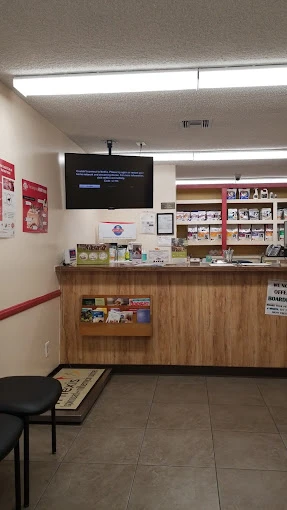
Are you looking to move on to the next level in your pet’s health? Visit Atlas Pet Hospital often for check-up services to get the perfect pet vaccination clinic in town and dog booster vaccinations. Your pet needs the best treatment, and that is why we are here for you.



























Sign in to leave a comment.