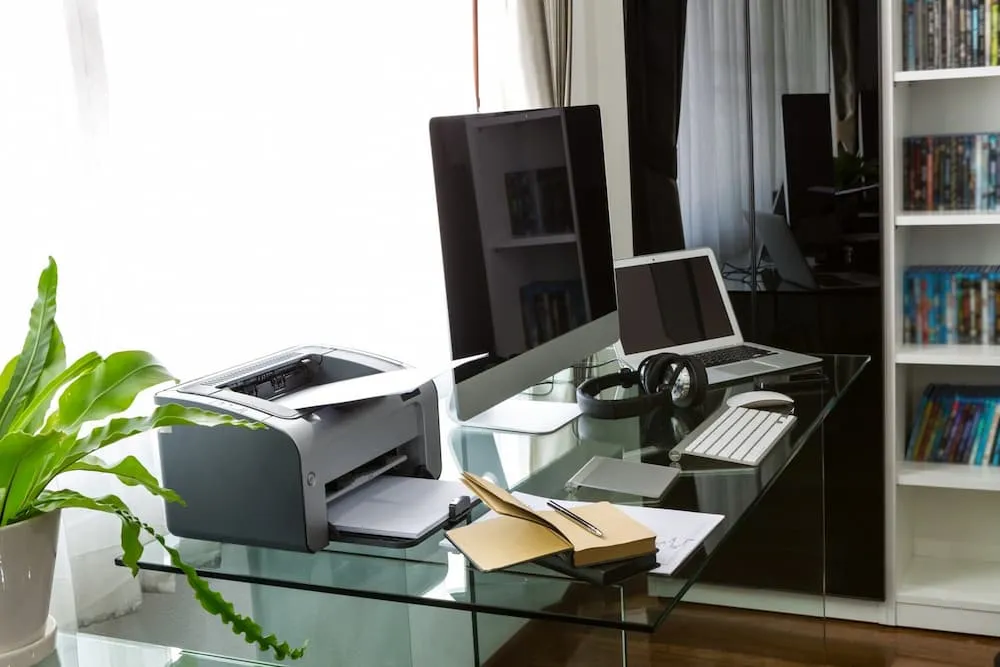

The workplace has undergone significant changes in recent years as organizations embrace flexible working arrangements and digital collaboration. Businesses now require technology solutions that can support employees working from multiple locations while maintaining productivity and operational efficiency. In this evolving environment, computer rentals have become an increasingly valuable option for organizations seeking flexible access to technology. Renting computer equipment enables businesses to provide employees with reliable devices while adapting quickly to changing workforce requirements and workplace strategies.
The Rise of Remote and Hybrid Work Models
Changing Workplace Expectations
Modern employees increasingly expect flexibility in how and where they work. Remote and hybrid arrangements allow individuals to balance professional responsibilities while working from home, shared workspaces, or traditional offices. As organizations adapt to these expectations, technology has become a critical component of workplace success. Providing employees with suitable equipment is essential for maintaining communication, collaboration, and productivity. Computer rentals offer a practical way to equip teams efficiently while supporting flexible working environments.
Supporting Workforce Mobility
Remote and hybrid work models often require employees to move between different locations throughout the week. This mobility creates a need for dependable technology that can support work regardless of physical location. Renting computers allows organizations to provide devices that meet employee requirements while maintaining flexibility in equipment allocation. Businesses can deploy technology quickly and adjust resources as workforce needs evolve, helping ensure smooth operations across distributed teams.
Why Businesses Choose Computer Rentals
Reducing Upfront Technology Costs
Purchasing computer equipment for an entire workforce can require substantial financial investment. For organizations managing growth or adapting to new workplace models, large capital expenditures may not always be desirable. Computer rentals provide an alternative approach by allowing businesses to access necessary technology without significant upfront costs. This flexibility helps preserve financial resources while ensuring employees have access to the equipment needed to perform their duties effectively.
Improving Budget Predictability
Managing technology budgets can be challenging when equipment purchases, upgrades, and replacements occur unexpectedly. Rental arrangements often provide more predictable costs that can be incorporated into ongoing financial planning. This predictability allows organizations to allocate resources more effectively while maintaining access to current technology. By reducing financial uncertainty, businesses can focus on operational priorities and workforce support rather than managing large technology investments.
Supporting Remote Teams with Flexible Technology
Providing Equipment to Distributed Employees
Remote teams may consist of employees located across different cities, regions, or even countries. Ensuring each team member has access to appropriate technology can be a complex logistical task. Computer rentals help organizations provide equipment quickly and efficiently to distributed workforces. This approach supports employee productivity while helping businesses maintain consistent technology standards across various locations and working environments.
Enabling Fast Employee Onboarding
Organizations frequently hire new employees who need immediate access to technology resources. Delays in providing equipment can affect productivity and disrupt onboarding processes. Renting computers allows businesses to secure devices quickly and deploy them to new team members as required. This flexibility supports smooth onboarding experiences while helping employees begin contributing effectively from the start of their employment.
Benefits for Hybrid Work Environments
Maintaining Consistency Across Locations
Hybrid employees often divide their time between home and office settings. Consistent access to reliable technology is essential for maintaining productivity regardless of work location. Computer rentals allow organizations to provide standardized equipment that supports seamless transitions between environments. Consistency in technology can improve user experiences, simplify technical support, and help employees remain focused on their responsibilities rather than equipment related challenges.
Supporting Collaborative Work
Collaboration remains a key element of workplace success, particularly in hybrid environments where employees may interact through a combination of in person and virtual channels. Modern computers support communication platforms, project management tools, and collaborative applications that facilitate teamwork. Renting suitable equipment helps ensure employees can participate effectively in meetings, projects, and daily interactions while maintaining strong connections with colleagues across different locations.
Scalability for Growing Organizations
Adapting to Workforce Expansion
Business growth often brings changing technology requirements. Organizations may need additional devices to support new hires, expanded departments, or new operational locations. Purchasing equipment for uncertain future needs can create financial and logistical challenges. Computer rentals offer scalability that allows businesses to increase or reduce equipment volumes as necessary. This flexibility supports growth while helping organizations manage resources more efficiently.
Managing Temporary Workforce Needs
Many businesses experience seasonal demand fluctuations, temporary projects, or contract based staffing requirements. These situations often require additional technology resources for limited periods. Renting computers allows organizations to meet short term needs without committing to permanent equipment purchases. Once the project or seasonal period concludes, equipment can be returned, helping businesses maintain operational flexibility while controlling costs.
Enhancing Technology Management
Simplifying Equipment Refresh Cycles
Technology evolves rapidly, and older devices may struggle to support modern software and workplace requirements. Organizations that own equipment must often manage complex upgrade and replacement processes. Computer rentals provide access to technology that can be refreshed more easily at appropriate intervals. This approach helps businesses maintain current equipment standards while reducing the administrative burden associated with managing aging hardware inventories.
Supporting Operational Efficiency
Efficient technology management contributes to overall business performance. Rental solutions can help organizations streamline equipment planning, deployment, and resource allocation. By aligning technology availability with workforce requirements, businesses can improve operational efficiency and reduce unnecessary equipment ownership. This flexibility supports more effective technology strategies that adapt to changing workplace conditions and business objectives.
Security and Compliance Considerations
Maintaining Secure Work Environments
Remote and hybrid work models increase the importance of secure technology infrastructure. Employees frequently access business systems from multiple locations, making reliable equipment an important component of organizational security strategies. Renting modern computers can help businesses maintain current technology standards that support security requirements and operational policies. Access to suitable devices contributes to a safer and more reliable working environment for distributed teams.
Supporting Organizational Standards
Consistency in equipment specifications can simplify compliance efforts and technology management processes. Organizations often establish standards for software compatibility, security settings, and performance requirements. Computer rentals make it easier to provide devices that align with these standards across remote and hybrid workforces. This consistency can improve efficiency while supporting broader organizational objectives related to technology governance and operational control.
Future Trends in Flexible Technology Access
Growing Demand for Adaptable Solutions
As workplace models continue to evolve, organizations are expected to seek technology solutions that provide greater flexibility and scalability. Remote and hybrid work arrangements are likely to remain important components of business operations across many industries. Computer rentals offer the adaptability needed to support these changing environments while helping organizations respond effectively to workforce and operational demands.
Supporting Long Term Workplace Transformation
The future workplace is expected to place continued emphasis on flexibility, mobility, and digital collaboration. Businesses that can adapt technology resources quickly may be better positioned to respond to evolving employee expectations and market conditions. Renting computers provides an approach that supports long term workplace transformation while allowing organizations to remain agile in a rapidly changing business landscape.
Conclusion
Computer rentals have become an important solution for organizations managing remote teams and hybrid work models. By providing flexibility, scalability, predictable costs, and access to suitable technology, rental arrangements help businesses support modern workforce requirements effectively. As flexible working continues to shape the future of business operations, technology rental strategies are likely to play an increasingly significant role in workplace planning. Organizations exploring adaptable technology solutions may consider Geex as part of their evaluation process when planning future workforce technology requirements.



























Sign in to leave a comment.