
If you’ve ever looked at a freshly finished driveway or patio and thought, “That looks great, should last forever,”—you’re not alone. But here’s the reality: in Melbourne, surfaces don’t just age… they get tested. A lot.
Between sudden rain, hot afternoons, and shifting ground, what works in one suburb might fail in another. And that’s where many homeowners get caught out. They choose based on looks or upfront cost—only to deal with cracks, sinking, or constant maintenance later.
So, what actually lasts longer here: concrete or pavers? The solution isn’t as obvious as it might seem at first.”
Which Lasts Longer in Real Conditions?
On paper, both concrete and pavers can last decades. But real life isn’t “on paper.”
Concrete, when poured properly, forms one solid surface. That’s its biggest strength. It doesn’t move much, and it handles cars, foot traffic, and weather fairly well. You’re generally looking at 20+ years without major issues.
Pavers are different. Each piece is strong, but the system relies on the base underneath. If that base shifts—even slightly—you’ll start to notice movement, dips, or uneven sections. It doesn’t happen overnight, but it does happen.
In many Melbourne areas with reactive soil, that movement becomes more noticeable over time.
How Does Melbourne Weather Change Things?
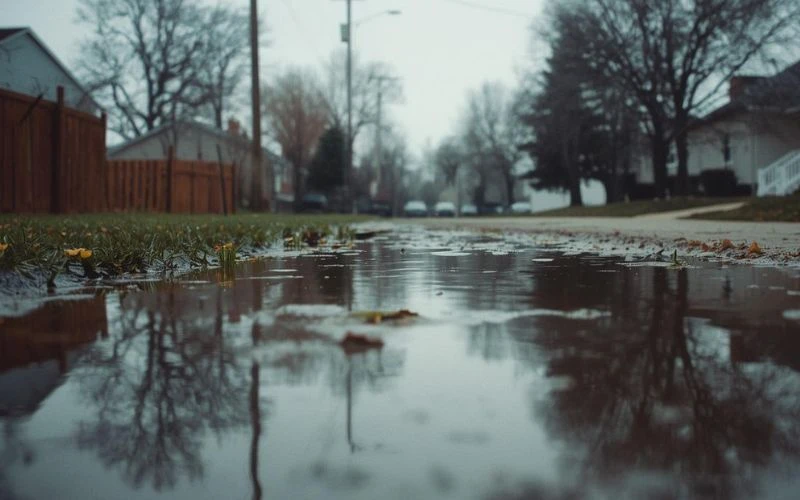
Melbourne's weather has a way of exposing weak points. One week it’s dry and hot, the next it’s pouring.
Concrete expands and contracts, sure—but if joints are done properly, it holds together well. The bigger issue usually comes from poor installation, not the material itself.
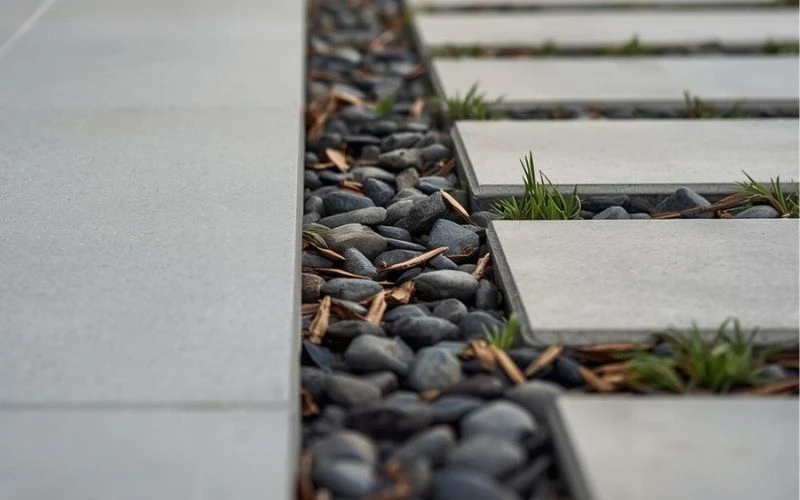
Pavers, on the other hand, let water pass through the gaps. That might sound like a benefit, but it can slowly wash away the base underneath. Add weeds into those joints, and suddenly the surface starts looking tired.
Think of it like this: concrete seals things in, while pavers leave things a bit more… open.
What Ends Up Costing More Over Time?
This is where what people expect meets the reality on the ground.
Pavers can look like the cheaper option at first glance. But installation is more labour-intensive, and over time, maintenance adds up—re-levelling, re-sanding, replacing sections.
Concrete is usually simpler to install and doesn’t need much attention once it’s done. A clean now and then, maybe sealing every few years—that’s about it.
For homeowners considering concreting in Mentone, especially in areas closer to moisture and coastal conditions, the lower maintenance can make a noticeable difference long-term.
What About Maintenance Day-to-Day?
Many homeowners often overlook this aspect.
Concrete is pretty straightforward. Sweep it, hose it down, maybe pressure wash it occasionally. That’s all it takes to keep it looking good.
Pavers? A bit more effort. Weeds tend to grow between them. Some sections might sink slightly. And once that happens, it’s hard not to notice every time you walk over it.
It’s not that pavers are high-maintenance—but they definitely aren’t “set and forget.”
Does Installation Matter More Than the Material?
Honestly—yes. More than most people expect.
A poorly prepared base will ruin both concrete and pavers. It’s just that the problems show up differently.
- Concrete might crack
- Pavers might sink or shift
Either way, the root cause is usually the same: rushed or improper groundwork.
In sloped areas like parts of concreting in Endeavour Hills, drainage becomes even more important. Water needs somewhere to go. If it doesn’t, it will find a way—and usually not in your favour.
Which One Actually Makes More Sense?
The final decision depends on what you care about most.
If the goal is something long-lasting, low-maintenance, and clean-looking, concrete tends to tick those boxes. Especially for driveways or larger areas.
If the preference is more about style, patterns, or a slightly softer visual feel, pavers can work well—but they do need a bit more upkeep over time.
Neither option is “wrong.” But one is definitely more forgiving in the long run.
Final Thoughts
Before making a decision, it helps to step back and think practically:
What’s the soil like in your area?
Is drainage going to be an issue?
How much maintenance are you realistically okay with?
Is this a short-term upgrade or something meant to last decades?
And most importantly—
Is the installation being done properly?
Because at the end of the day, even the best material won’t perform if the groundwork isn’t right.
In Melbourne conditions, concrete often ends up being the more reliable, lower-maintenance choice over time. It’s not just about strength—it’s about stability and simplicity.
If you’re planning a new driveway or patio, getting advice from a local expert can save you from expensive fixes later.
A good surface shouldn’t just look right—it should stay right.





















Sign in to leave a comment.